

What taxes do you pay when selling a house in Valencia?
23 November 2026
When you sell a house in Spain as a tax resident, you pay two taxes: personal income tax (IRPF) on the capital gain, which is declared in the following year’s tax return, and municipal capital gains tax (plusvalía municipal), which the town hall collects within 30 working days of signing. Knowing which taxes you pay when selling a house is only half the job. The other half is working out how much you will actually take home, your net proceeds, before deciding on price, timing and what to do with the money.
This guide is for Spanish tax residents selling a villa in the Valencia area, often to move into a flat in the city centre.
If you are not a tax resident in Spain, the rules are different ➨ We explain them in our guide to taxes for non-residents selling a property in Spain.
Selling your villa in Valencia: what taxes you pay and how much you keep
As a resident seller, selling your villa creates these obligations:
- Personal income tax (IRPF) on the capital gain: you are taxed on the difference between what you get from the sale and what the property cost you. It is declared in the tax return for the year after the sale, as savings income, at rates from 19% to 30%.
- Municipal capital gains tax (plusvalía municipal, IIVTNU): a tax on the increase in the value of the land. The seller pays it within 30 working days of the deed of sale.
- Property tax (IBI): paid by whoever owns the property on 1 January, although the contract usually provides for the buyer to pay their share of the year.
Unlike non-residents, residents do not have 3% of the price withheld at the notary: they settle the income tax directly in their tax return. The documents you need to sign (land registry extract, energy performance certificate, latest IBI receipt) are covered in our guide to ➨ the paperwork and documents needed to sell a house.
How the capital gain on your villa is calculated
The capital gain is the difference between the transfer value and the acquisition value. It sounds simple, but a villa with years of history has many items that reduce the bill and are often forgotten.
Acquisition value: what you paid and what you invested
The purchase price is increased by the taxes and costs you paid when buying (transfer tax (ITP) or VAT, notary, land registry, gestoría) and by improvements made afterwards: a swimming pool, a licensed extension, a new roof or a full renovation. Repairs and routine maintenance do not count. For the tax authorities to accept improvements, you need invoices in your name: for a villa bought 15 or 20 years ago, tracking down those invoices can save you thousands of euros.
Transfer value: what you receive minus the cost of selling
The sale price is reduced by the costs and taxes inherent to the sale and paid by you: estate agency fees, the plusvalía municipal itself and other costs such as the energy performance certificate. The better documented they are, the smaller the gain you are taxed on.
If you inherited the villa
If the villa came to you through an inheritance, its acquisition value is the value declared for inheritance tax, plus the costs you paid at the time. A low declared value means a larger gain today.
We explain this in more detail in ➨ how to sell an inherited house at the best price.
If you bought it before 1994
Properties acquired before 31 December 1994 may apply the reduction coefficients (coeficientes de abatimiento), which reduce the part of the gain generated up to 19 January 2006. There is a limit: they only apply as long as the combined transfer values of all assets sold with this benefit since 2015 do not exceed €400,000 per taxpayer. This is one of the points most worth reviewing with your tax adviser.
How the capital gain on your property is calculated
| Counts | Does not count | |
|---|---|---|
| Added to the acquisition value | Purchase price, ITP or VAT, notary, land registry, gestoría and improvements invoiced in your name (pool, licensed extension, roof, full renovation) | Repairs, routine maintenance and costs without an invoice |
| Deducted from the transfer value | Estate agency fees, plusvalía municipal, energy performance certificate and other sale costs paid by you | Costs borne by the buyer |
How much income tax you pay on the sale: the savings income scale
| Portion of the gain | Rate | Tax on the full band | Cumulative tax |
|---|---|---|---|
| Up to €6,000 | 19% | €1,140 | €1,140 |
| €6,000 to €50,000 | 21% | €9,240 | €10,380 |
| €50,000 to €200,000 | 23% | €34,500 | €44,880 |
| €200,000 to €300,000 | 27% | €27,000 | €71,880 |
| Over €300,000 | 30% | — | — |
The gain is added to your other savings income for the year (interest, dividends, other sales) and taxed in bands. The scale is set nationally and is the same throughout Spain except in the Basque Country and Navarre:
- Up to €6,000: 19%
- €6,000 to €50,000: 21%
- €50,000 to €200,000: 23%
- €200,000 to €300,000: 27%
- Over €300,000: 30%
The rates apply progressively, band by band. When selling a high-value villa, part of the gain may reach the 30% band, which rose from 28% in 2025. If you have made capital losses in the same year (for example, by selling funds or shares), they can offset part of that gain.
Plusvalía municipal: why it weighs more on a villa than on a flat
The plusvalía municipal does not tax the house but the land. That is why, for a villa with a plot in Los Monasterios, Santa Bárbara or Campolivar, where the cadastral value of the land is high, it usually weighs considerably more than for a flat in the city centre.
| Objective method | Actual method | |
|---|---|---|
| Basis | Cadastral value of the land × coefficient for years of ownership | Actual gain (sale − purchase) × share of the land in the cadastral value |
| When it works out better | When the actual gain is high | When the actual gain is low or the property was bought recently |
| Rate applied | The municipal rate (up to 30%) | The municipal rate (up to 30%) |
| Result | You pay whichever is lower. If there is no gain, nothing is payable |
Since 2021 there have been two calculation methods, and you pay under whichever gives the lower result:
- Objective method: cadastral value of the land × coefficient based on years of ownership × municipal rate.
- Actual method: the actual gain on the land, in proportion to its share of the cadastral value, × municipal rate.
If you sell for less than you paid, there is no plusvalía municipal to pay, provided you can prove it. Each town hall sets the rate, up to a legal maximum of 30%; in the city of València it is 29.7%. If your villa is in Puçol, Bétera, Godella, Rocafort or San Antonio de Benagéber, that municipality’s bylaw applies.
Watch the date of the deed: the maximum coefficients for the objective method change for sales from 1 December 2026, under Royal Decree-law 29/2026, ratified in November.
Is your villa your main residence or a second home?
This is the question that changes the bill the most. Almost all the tax benefits on a sale apply only to your main residence (vivienda habitual): the home you have lived in continuously for at least three years, with some exceptions, or that you stopped living in less than two years ago.
| Under 65 | 65 or over | |
|---|---|---|
| Main residence | Reinvestment exemption if you buy another main residence within the 2 years before or after the sale. Full or proportional | Full income tax exemption, with no need to reinvest and no upper limit |
| Second home or inherited (not lived in) | No exemption: the whole gain is taxed. Reduction coefficients still apply if bought before 1995, as does offsetting losses | Proportional exemption if you put up to €240,000 into a life annuity within the following 6 months |
| Plusvalía municipal | Payable in all cases | Payable in all cases |
It is common for an owner to live in a flat in València and keep the villa on a residential estate (urbanización) as a second home, or to have inherited it. In that case, the reinvestment exemption and the over-65 exemption for selling a main residence do not apply. Knowing this before setting the price avoids surprises in the following year’s tax return.
How we do it at Monserrate: when it comes to selling your home in Valencia, before we talk about price, we review the tax position of the villa with you (main residence or not, inheritance, purchase date, owners). With that information, and working with your adviser, the valuation is no longer just a market price: it is an estimate of what you will keep.
How to pay less tax when selling your house, legally
The law allows the income tax on a sale to be reduced or eliminated in several cases. None of them is automatic: you have to meet the requirements and declare it correctly.
Reinvesting in another main residence
If you sell your main residence and buy another that will also be your main residence, the reinvestment exemption frees the gain from income tax in proportion to what you reinvest. The new home can be bought within the two years before or the two years after the sale. If you reinvest only part, the exemption is proportional.
If the villa had an outstanding mortgage, the amount you need to reinvest for the full exemption is calculated net of that loan: a technical point worth reviewing with your adviser.
This is the typical case of someone who sells their villa to buy a flat in the city centre. If the flat costs less than you got for the villa, the exemption will be partial. To choose well, it helps to know the range of luxury flats in Valencia before closing the sale, and to factor in the taxes on buying your new home.
How we do it at Monserrate: when you sell your villa to move to the centre, we can handle both transactions at once: the sale on the estate and the search for a flat in l’Eixample, Pla del Real or Ciutat Vella. That way we align the timing so the reinvestment fits within the two-year window and you are not forced into rushed decisions.
Being 65 or over and selling your main residence
If you are 65 or over and sell your main residence, the gain is exempt from income tax, with no need to reinvest and no upper limit. If the villa belongs to a married couple, the exemption applies to each owner separately: if only one has turned 65, only their share is exempt.
What this exemption does not cover is the plusvalía municipal: that is still payable.
Life annuity for over-65s
If you are 65 or over and sell a property that is not your main residence, for example the villa on the estate while you live in the centre, you can exempt part of the gain by putting the money into an insured life annuity. The limit is €240,000 per taxpayer and the annuity must be set up within six months of the sale. If you invest less than the total proceeds, the exemption is proportional.
Deducting everything you can
Improvement invoices, purchase taxes, sale fees, plusvalía municipal: every well-documented item reduces the gain. For a villa with a pool, an extension or a full renovation, this review is almost always the quickest way to pay less.
How we do it at Monserrate: when preparing the sale, we put together the villa dossier with you: deeds, licences for the extensions and the pool, improvement invoices and certificates. It works twice over: your adviser has what they need to calculate the gain, and the buyer sees a property with everything in order, which is what shortens negotiations the most. If small improvements before going to market make sense, we will suggest them alongside our home staging service.
Example: how much you keep when selling a €1.15 million villa
Let’s look at an illustrative case, with rounded figures, of a villa on an estate north of Valencia:
- Bought in 2008: €600,000, plus €48,000 in purchase taxes and costs.
- Improvements with invoices (pool and licensed extension): €80,000.
- Total acquisition value: €728,000.
- Sold in 2026: €1,150,000. Sale costs (fees, estimated plusvalía municipal and others): €52,000.
- Transfer value: €1,098,000. Capital gain: €370,000.
With the same gain, the income tax varies widely depending on the seller’s situation:
- Second home, seller under 65: income tax of €92,880. Net before repaying the mortgage: €1,005,120.
- Main residence and €700,000 reinvested in a flat in the centre: 63.75% of the gain is exempt. Income tax of €29,727: €63,153 less.
- Main residence, seller aged 65 or over: income tax of €0. Net before repaying the mortgage: €1,098,000.
- Second home, seller aged 65 or over, with €240,000 put into a life annuity: income tax of €68,944: €23,936 less.
The difference between the first and third scenarios is more than €90,000 for the same house at the same price. That is why it pays to run the numbers before putting your villa on the market, not after signing.
Want to know your figure? ➨ At Monserrate we prepare a confidential valuation of your property, in person or online, with the real market price of your villa and an estimate of what you will keep after taxes and costs. Nothing is published and there is no commitment.
After the sale: the money also counts for Wealth Tax
While the villa is your main residence, part of its value (up to €300,000) is exempt from Wealth Tax (Impuesto sobre el Patrimonio). Once it is sold, the money counts in full.
For residents of the Valencian Community, the tax-free allowance rises to €2,000,000 from the 2026 tax year, under Law 5/2026 of 31 July. If your wealth is close to that threshold, include this point in your sale planning.
How we support you at Monserrate
Selling a high-value villa is not just about finding a buyer: it means deciding the price, the timing and the structure of the deal knowing how much you will keep.
We have been selling premium homes in Valencia and its metropolitan area for more than ten years, and this is how we support owners selling their villa:
- Honest, confidential valuation: a market price based on real transactions on each estate, from Los Monasterios and Alfinach to Santa Bárbara, Campolivar or Torre en Conill. We do not inflate the figure to win the listing.
- The net figure, not just the price: we estimate taxes and costs based on your situation and review them with your tax adviser or our legal team.
- Discreet sale: we present your villa to qualified buyers, with private viewings and without it needing to appear on every portal.
- Spanish and international buyers: we assist, in several languages, people looking for a home in Valencia from abroad, a significant part of the demand for high-end villas.
- Your next home: if you are moving to the centre, we help you find the flat and coordinate the timing of both transactions.
Frequently asked questions about taxes when selling a house
When do you pay income tax on the sale of a property?
In the tax return for the year after the sale. If you sell in 2026, you declare it in the 2027 tax campaign. The plusvalía municipal, on the other hand, is paid within 30 working days of the deed.
Do I have to pay plusvalía municipal if I sell my home at a loss?
No. If the value of the land has not increased between purchase and sale, there is no plusvalía municipal. You must prove this to the town hall with the purchase and sale deeds.
Do people aged 65 or over pay plusvalía municipal?
Yes. The age-related exemption only applies to income tax on the sale of a main residence. The plusvalía municipal is still payable.
Can I apply the reinvestment exemption if I buy the flat before selling the villa?
Yes, as long as the new main residence is bought within the two years before the sale of the villa and the other requirements are met.
What happens if the villa is in the name of both spouses?
Each owner declares their share of the gain and applies their own exemptions. If one is 65 and the other is not, only the share of the owner aged 65 or over is exempt, provided it is their main residence.
Do I pay income tax if I sell a house at a loss?
No. Selling for less than it cost you creates a capital loss that you can offset against gains in the same year, for example from selling shares or funds. Any amount not offset can be carried forward to the following four years.
How much plusvalía municipal do you pay on a villa in Valencia?
It depends on the cadastral value of the land, the years of ownership and each town hall’s rate, up to a maximum of 30%. It is calculated using both the objective and the actual method, and you pay the lower amount. On a villa with a plot it is usually considerably higher than on a flat.
What happens if I sell my house and buy a cheaper one?
If both are your main residence, the reinvestment exemption is proportional: the part of the gain corresponding to the amount reinvested is free of income tax and the rest is taxed. If you receive €1,098,000 and reinvest €700,000, 63.75% of the gain is exempt.
Work out your net figure before putting your villa on the market
The taxes on the sale can range from zero to more than €90,000 for the same house, depending on whether it is your main residence, your age and what you do with the money. Running the numbers before setting the price lets you negotiate knowing exactly how much you will keep.
At Monserrate, that is always where we start. If you are thinking of selling your villa, this year or later on, request a confidential valuation: we will tell you its real market value and how much you would keep, with nothing published and no commitment. If you would rather talk first, one of our premium home agents will help you by phone, WhatsApp or at our office on Calle Jorge Juan in València.
Write to us, and one of our premium home agents will get in touch with you.
Other properties
Buy
895.000€
Exceptional Refurbished Residence in San Francesc

Valencia

V5365

153 sqm House

3

2

Buy
720.000€
Exceptional Renovation Opportunity on Maestro Gozalbo
Valencia
V5341
167 sqm House
5
2
Buy
890.000€
Luxury Seafront Triplex Penthouse in Jávea
Jávea
V816
138 sqm House
3
2

Buy
2.500.000€
Brutalist Architecture Smartly Located
San Antonio de Benagéber
V7000
352 sqm House
6
3

Rent
5.500€
Exclusive Villa in the Alfinach Residential Area
Puzol / Puçol
V214
517 sqm House
6
5
Buy
894.500€
Architect-Designed Single-Family Home Project in El Plantío
Eliana
ON904
160 sqm
3
3
Buy
1.340.000€
Luxury Modernist Residence on Gran Vía
Valencia
V5377
173 sqm House
3
2
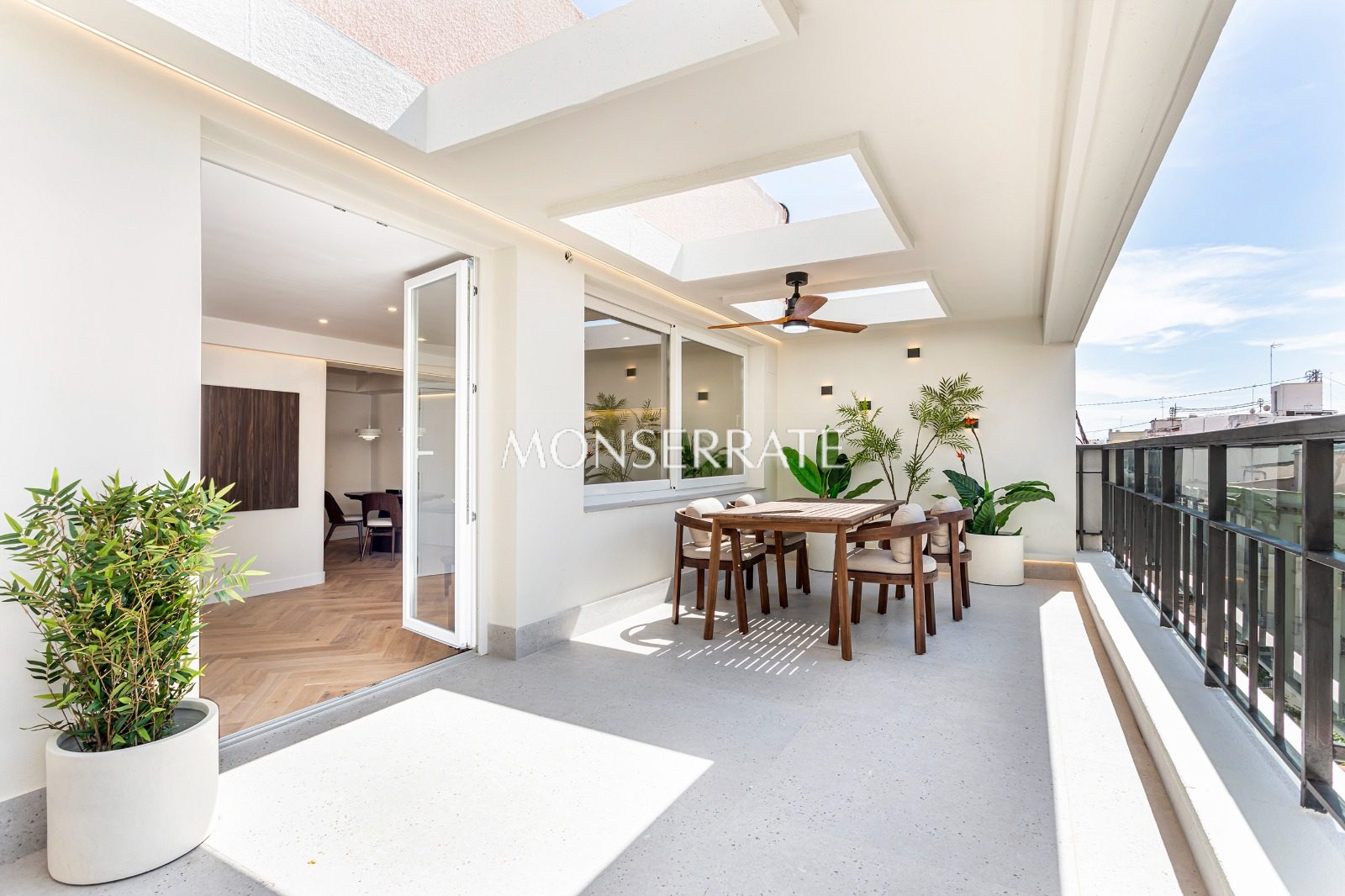
Buy
1.620.000€
Brand-New Penthouse with Garage in Pla del Remei
Valencia
V5362
196 sqm House
3
3
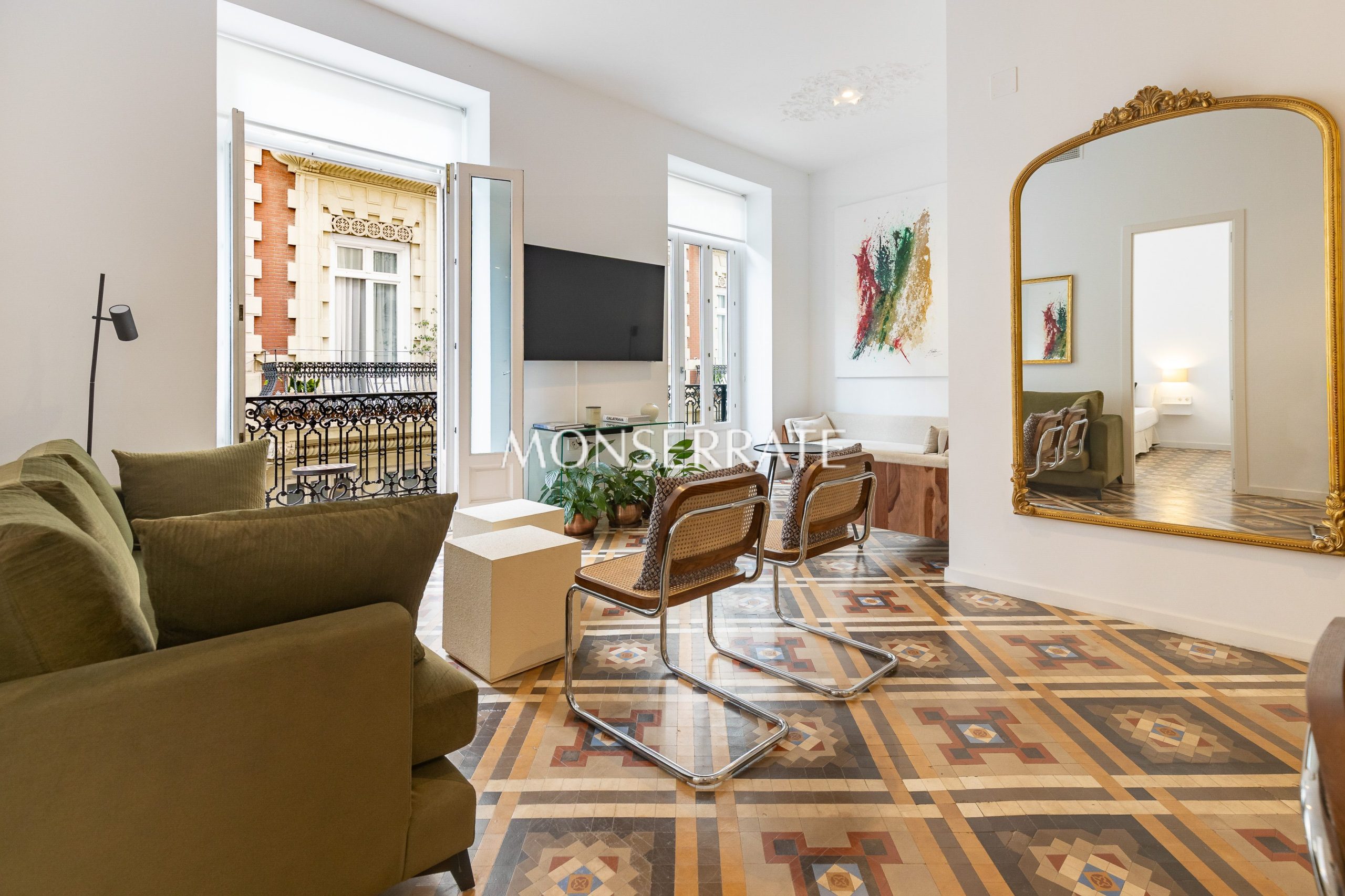
Rent
4.000€
Exclusive Residence in the Heart of Valencia’s Historic Centre
Valencia
A5427
129 sqm House
3
3
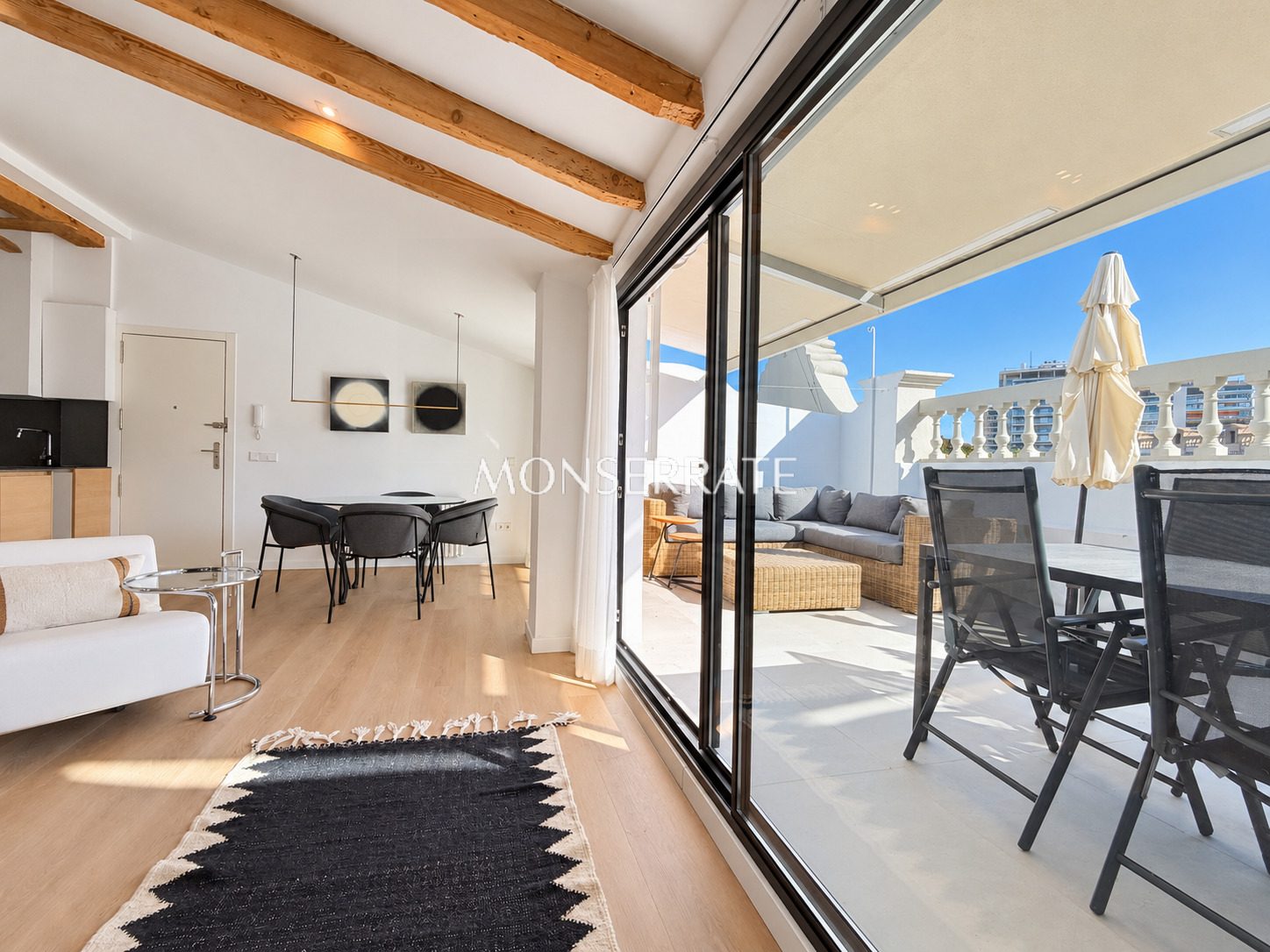
Rent
3.100€
Fantastic, Super bright Penthouse in a prime Area
Valencia
A5373
72 sqm House
2
2

Buy
6.000.000€
Luxury Villa Overlooking the Golf Course in Torre en Conill
Bétera
V911
549 sqm
4
3

Buy
6.000.000€
Luxury Villa Overlooking the Golf Course in Torre en Conill
Bétera
V907
608 sqm House
4
4
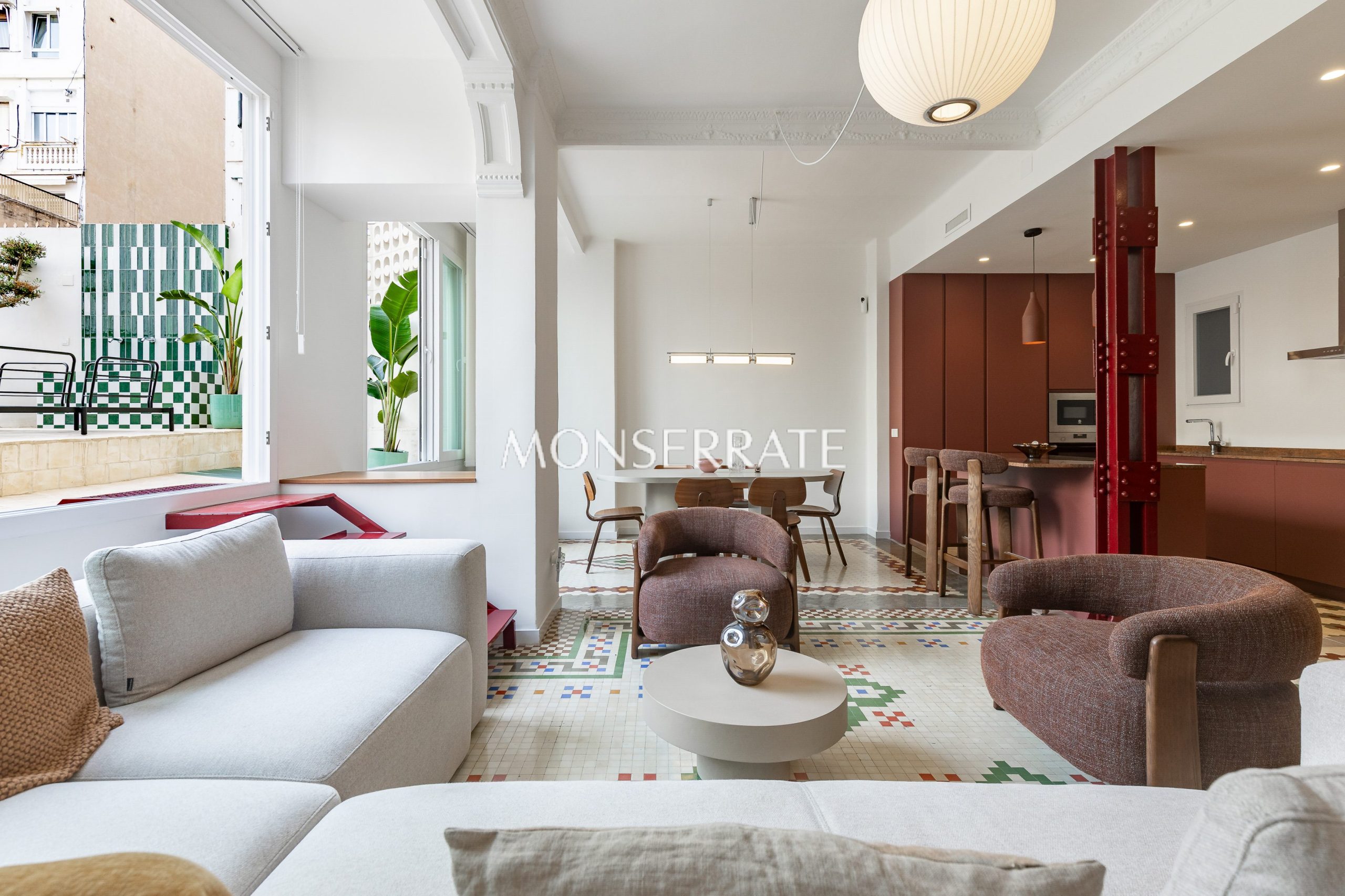
Buy
1.290.000€
Very Attractive Flat with a Large Private Terrace in Valencia's Eixample's District
Valencia
V5367
230 sqm House
5
4
Buy
845.000€
Bright and Charming Apartment in La Xerea
Valencia
V5368
150 sqm House
2
2
Buy
780.000€
Light and Design by the Turia Gardens, with Parking Included
Valencia
V5372
154 sqm House
4
2
Buy
1.395.000€
Beautiful Apartment on Gran Vía Marqués del Turia
Valencia
V5370
185 sqm House
4
3

Buy
1.550.000€
Mediterranean Elegance and Contemporary Design in Alfinach
Valencia
V272
498 sqm House
5
3
Buy
1.400.000€
Exclusive Detached Villa with Swimming Pool in Alfinach
Puzol / Puçol
V277
358 sqm House
4
4

Buy
1.600.000€
Fully Renovated Luxury Villa in Los Monasterios
Puzol / Puçol
V187
490 sqm House
5
5
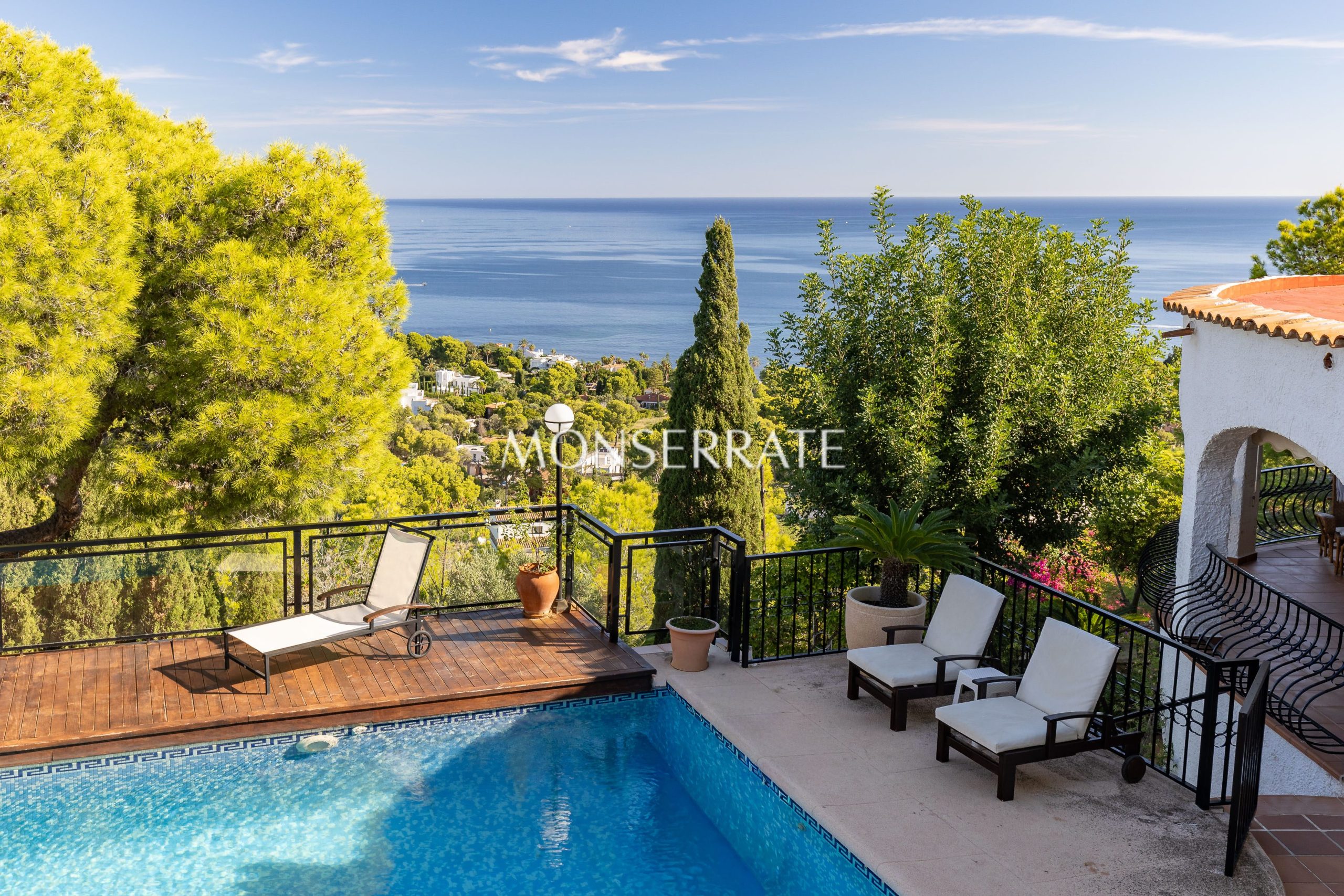
Buy
1.500.000€
A Unique Villa overlooking the Mediterranean
Alicante
V815
433 sqm House
7
3

Buy
5.500.000€
Outstanding private estate located between Valencia and Madrid
Garaballa, Cuenca
F108
1.200 sqm
9
10
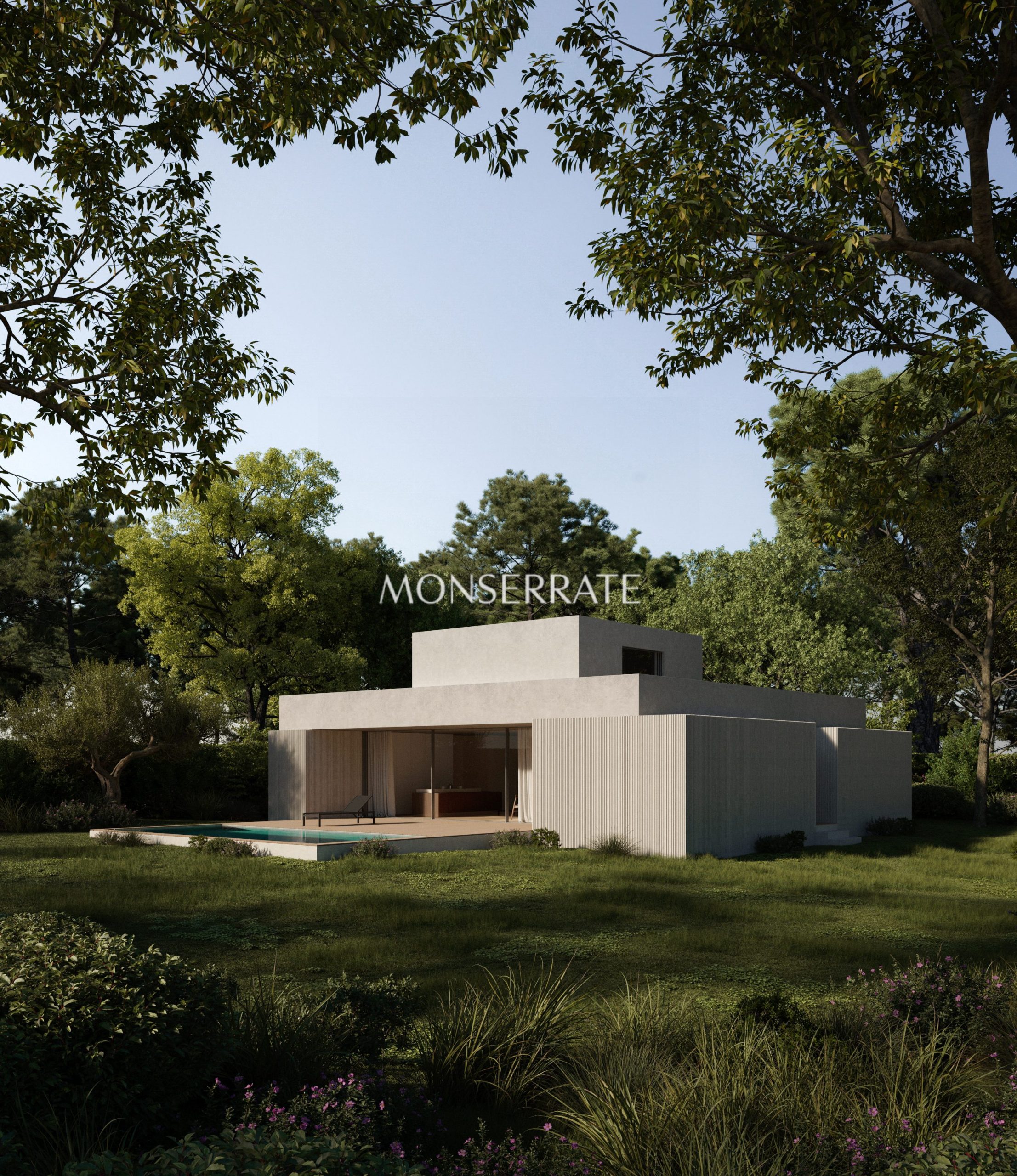
Buy
853.000€
Contemporary Villa Project in Más Camarena
Bétera
ON903
160 sqm House
3
3
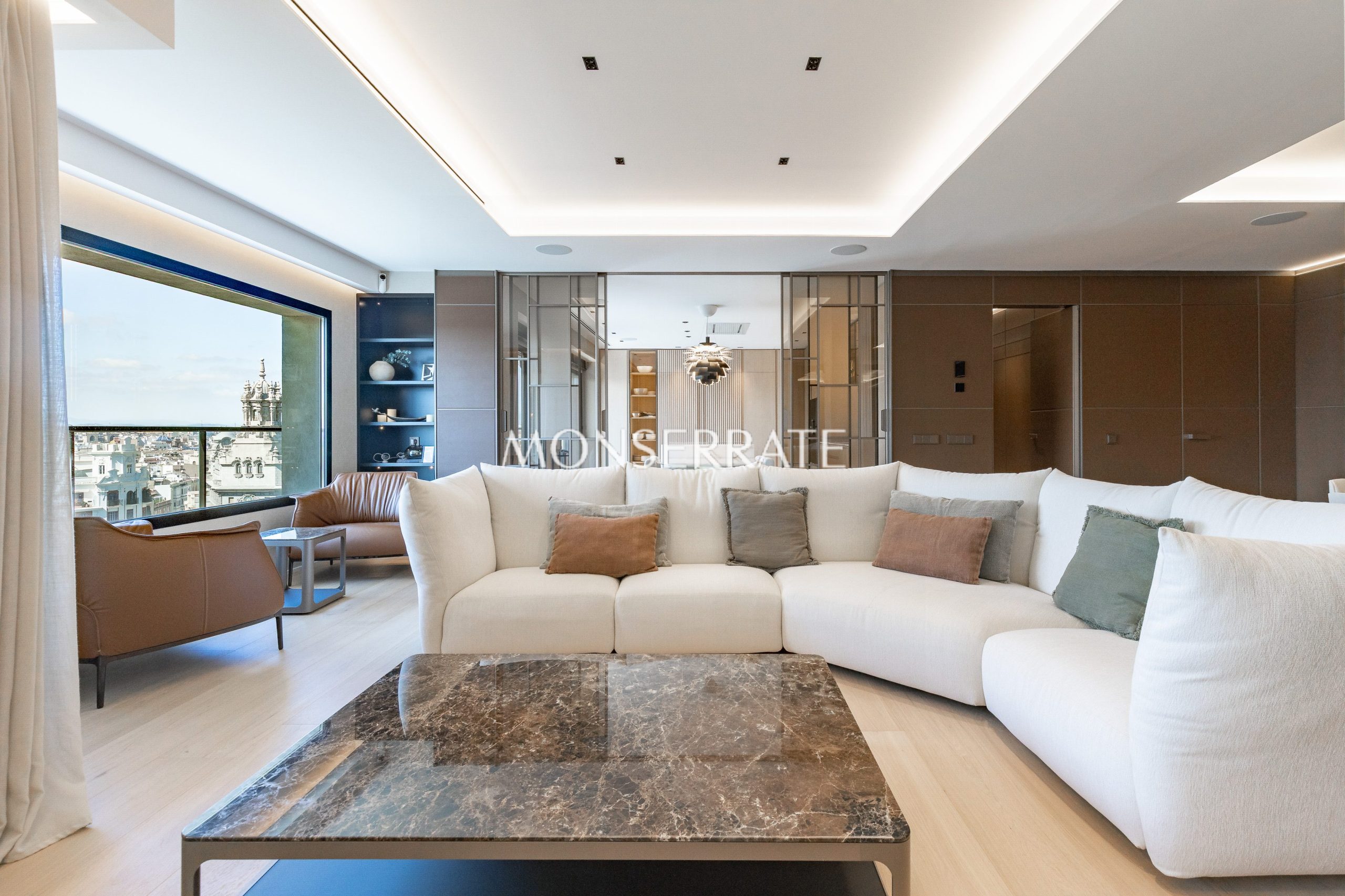
Rent
10.000€
Rented
Valencia
V5284
246 sqm House
3
3

Buy
2.900.000€
Historic Residence at San Francesc wit Gorgeous Location and Views
Valencia
V5335
400 sqm House
5
4
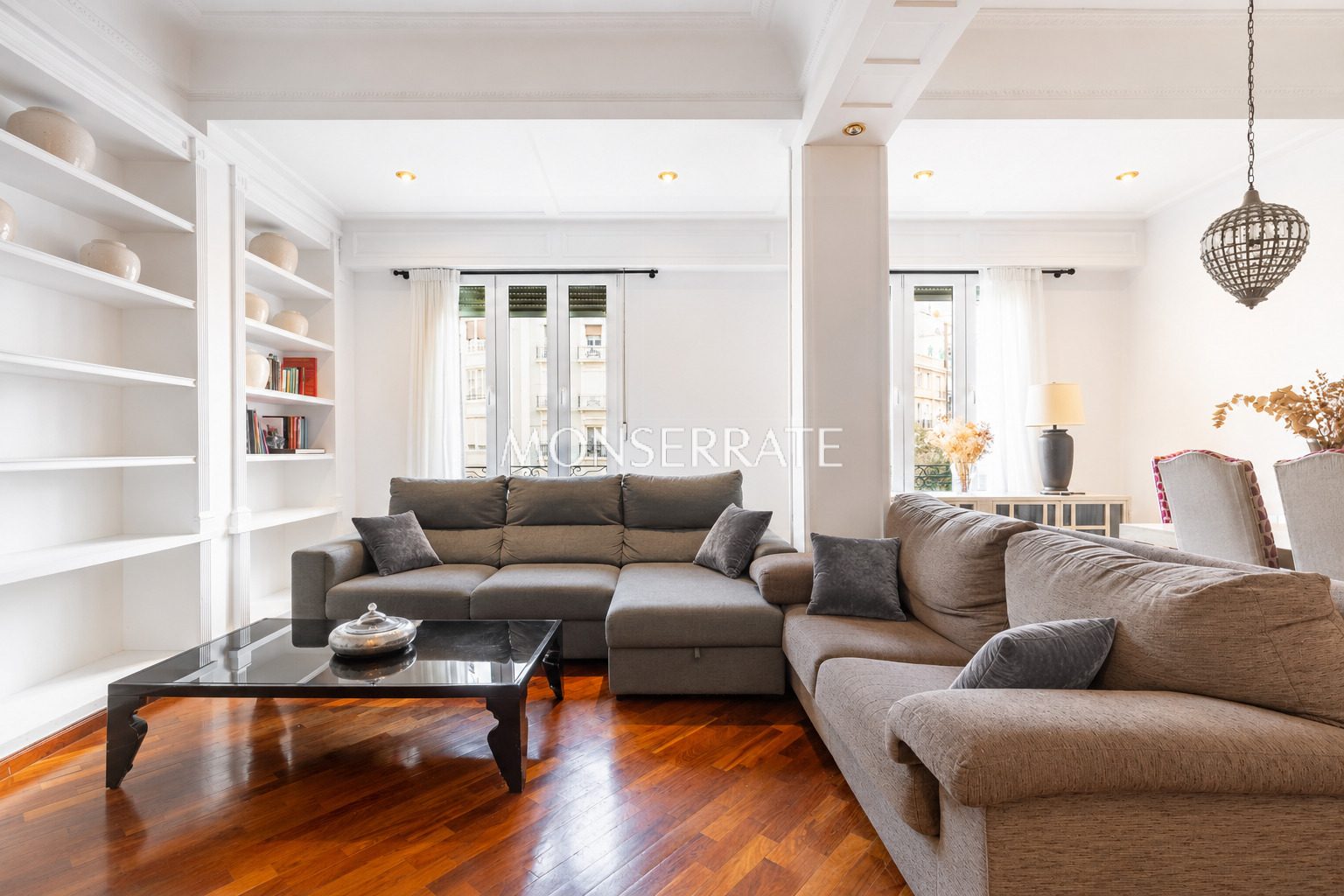
Buy
987.000€
Elegant Period Apartment with Great Potential in L’Eixample
Valencia
V5375
219 sqm House
5
2
Rent, Buy
10.000€, 1.950.000€
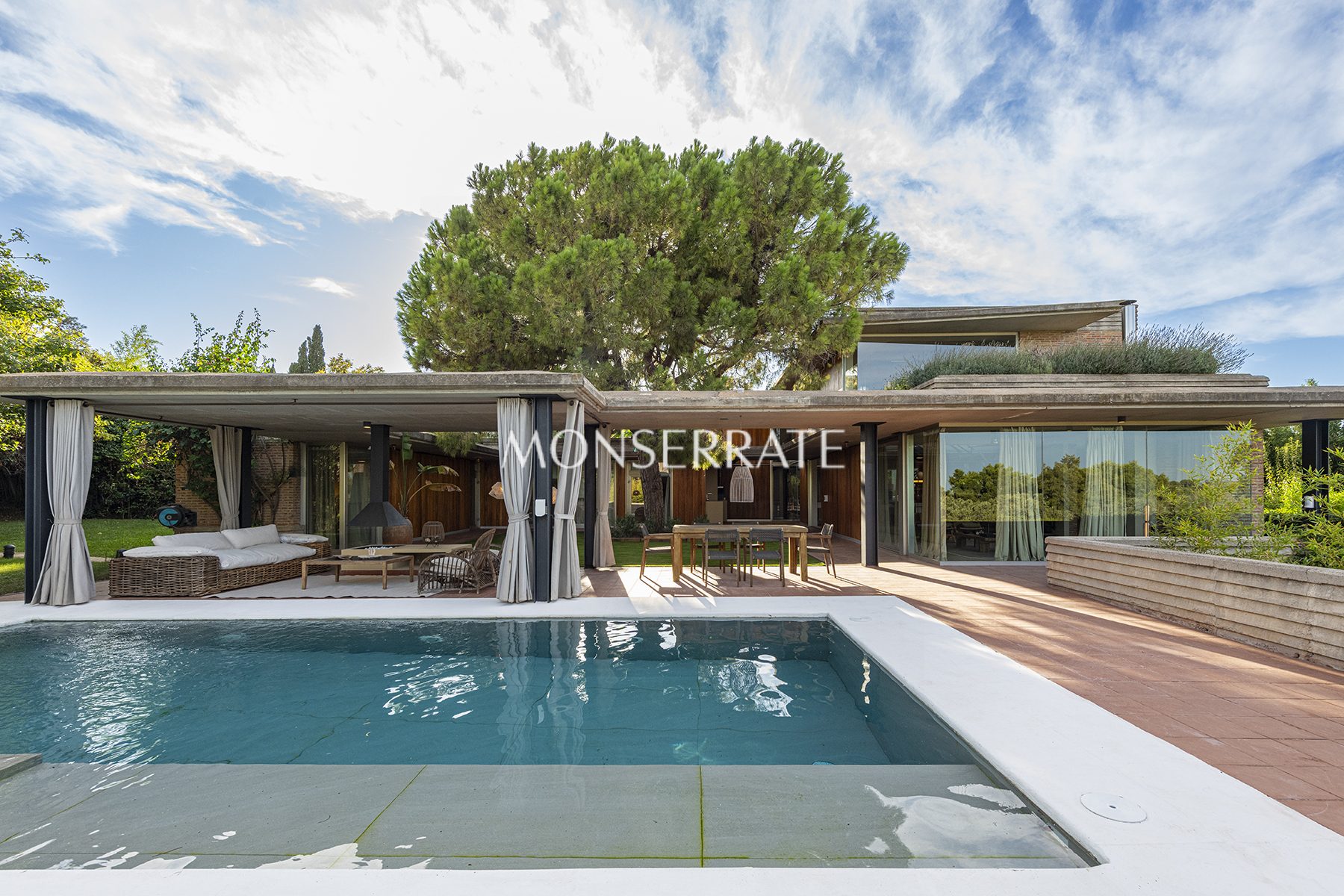
Exclusive Contemporary Chalet Overlooking the Golf course in Torre en Conill
Valencia
A744
510 sqm House
5
5

Buy
1.380.000€
High-end newly renovated property in Gran Vía
Valencia
V5328
168 sqm House
4
4
Buy
1.290.000€
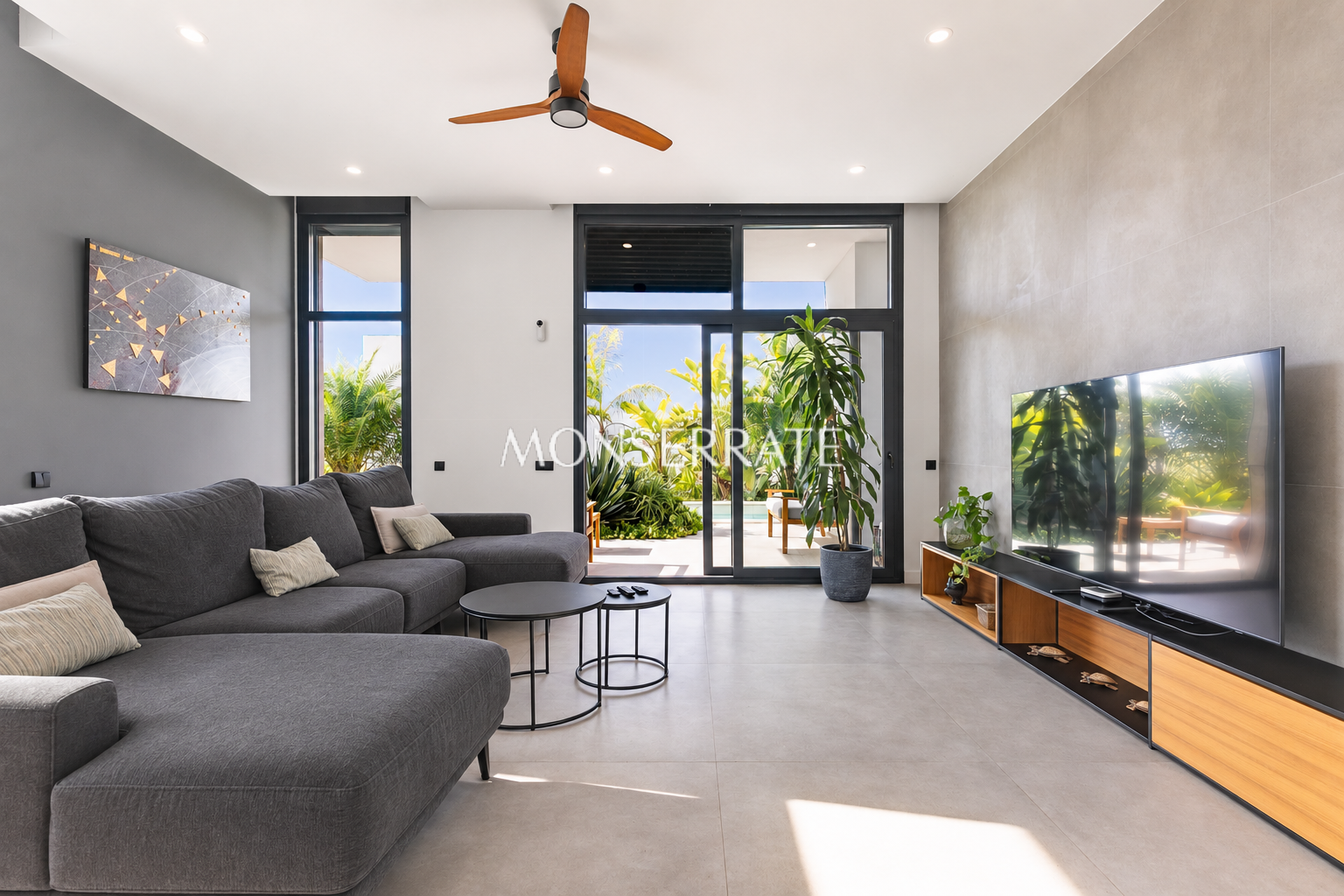
Bright Villa with Garden and Swimming Pool in Torre en Conill
Bétera
V910
352 sqm House
5
3
Buy
895.000€
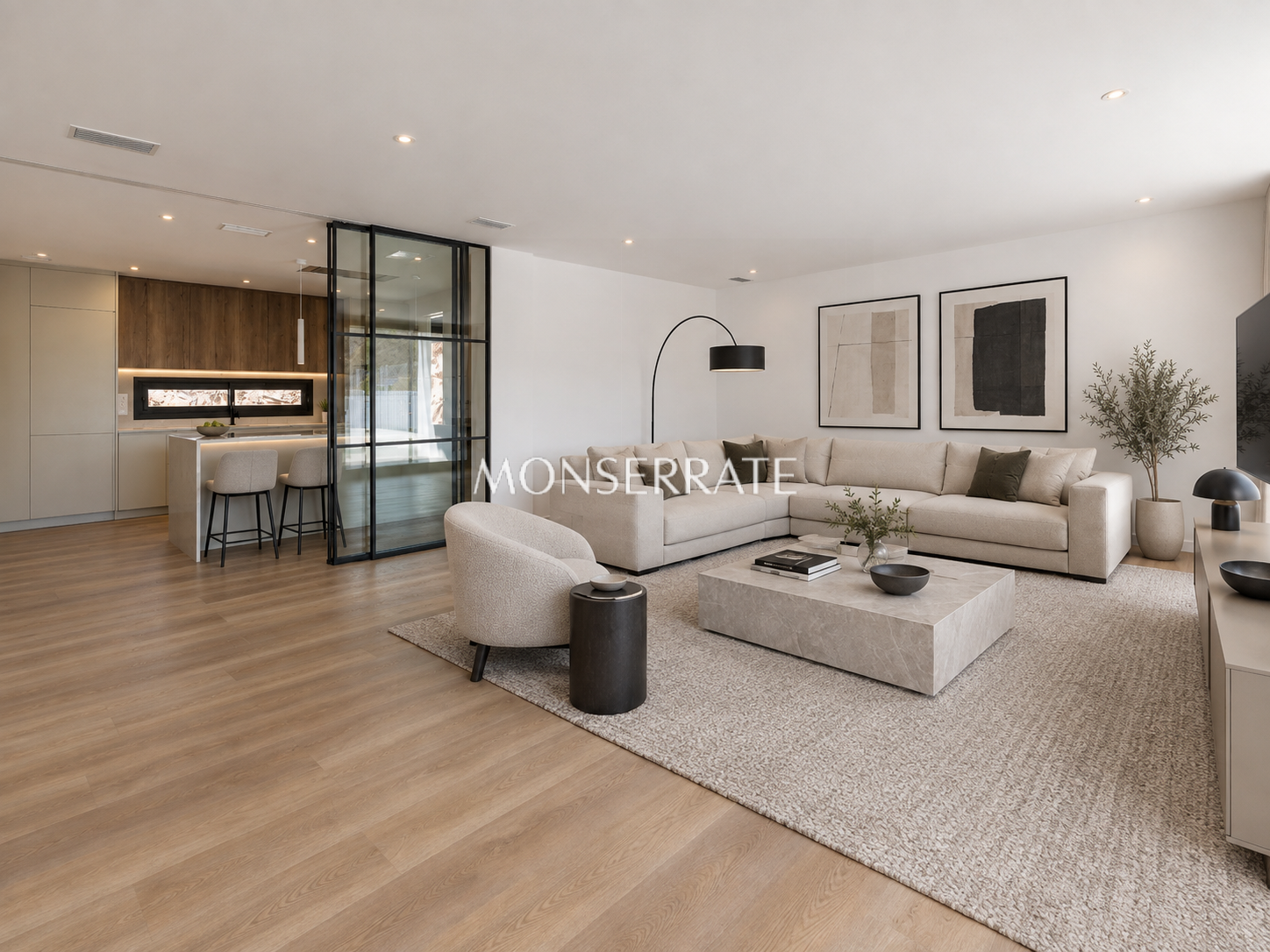
Great New Built Villa in Alfinach
Puzol / Puçol
V276
200 sqm House
4
3
Buy
1.130.000€
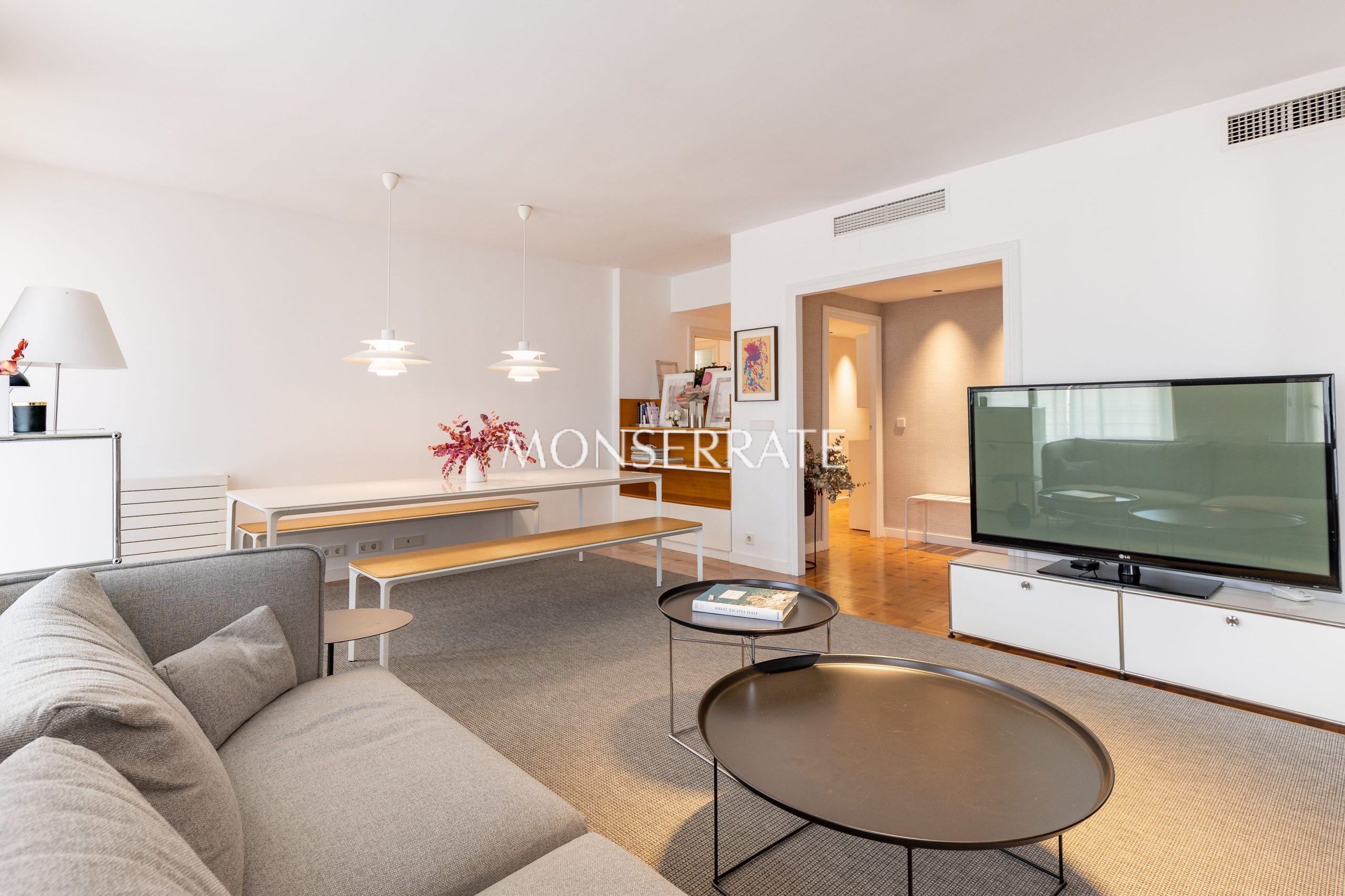
Spacious Apartment with Terrace and Garage in Jaume Roig
Valencia
V5361
204 sqm House
4
3
Artículos Relacionados

Where to live near the British School of Valencia: the best areas and luxury properties
August 31, 2026
Leer más
Living in Godella, Valencia: for families looking for tranquillity and luxury
September 28, 2026
Leer más
How much is your luxury property in Valencia worth?
September 28, 2026
Leer más

What is the best orientation for a house? A guide for prospective buyers
July 1, 2026
Leer más

Buying a second home in Spain as a non-resident: steps, taxes and requirements
August 31, 2026
Leer más

Alfinach: Luxury that doesn’t need to announce itself
September 15, 2026
Leer más

Living in Ruzafa: Art, gastronomy and a cosmopolitan vibe in Valencia’s coolest neighbourhood
September 15, 2026
Leer más

Valencia for Luxury Digital Nomads: Why International Professionals Choose This City
August 28, 2026
Leer más

Pla del Real, Valencia: the neighbourhood where people who choose well end up living
August 31, 2026
Leer más
