

What is the best orientation for a house? A guide for prospective buyers
01 July 2026
When buying a house, there are many factors to consider: location, layout, finish quality and surroundings. Yet one factor often goes unnoticed until you are actually living there: orientation.
In this guide you will find everything you need to take into account before buying a home and discover why orientation deserves as much attention as location or floor area.
Why does the orientation of a house matter?
When we talk about orientation, we mean the position of the home in relation to the compass points. That single detail determines how much sunlight each room receives throughout the day and, therefore, directly influences everyday comfort.
More hours of sun can translate into warmer spaces during winter, while a less exposed orientation can be more pleasant in summer.
It also affects natural ventilation, the usability of terraces and gardens, and even the upkeep of exterior features such as the pool or outdoor relaxation areas.
In luxury properties, where outdoor spaces play a leading role, this aspect becomes even more important. It is not only about which way the main façade faces — what matters is also where the porch, living room, bedrooms and pool are positioned.
That is why, before committing to a home, it is worth analysing orientation within the property as a whole rather than as an isolated data point.
Discover how to choose the ideal home → The best areas in Valencia to live with your family
Which orientation is best for a house?
This is one of the most common questions among property seekers. However, there is no single answer that applies to every case.
The best orientation for a house will be the one that suits the local climate, the design of the property and the way you live. A family that spends most of the day away from home does not have the same needs as someone who works remotely or who regularly enjoys their garden and terrace.
Furthermore, the behaviour of the sun is not the same in northern Spain as it is on the Mediterranean coast or the interior of the peninsula. That is why it is important to assess each property individually.
South-facing orientation
Traditionally considered the most balanced option because it receives many hours of sunshine in winter and provides consistent natural light throughout the day.
Its key advantages include:
– Greater natural brightness.
– Better use of solar heat during the colder months.
– Reduced heating requirements.
– Particularly pleasant spaces in winter.
The trade-off is that in very hot areas it may require solar shading systems — pergolas, blinds, awnings or adjustable louvres — to prevent excessive heat build-up in summer.
East-facing orientation
East-facing homes receive sunlight in the morning.
This option is highly valued by those who enjoy breakfast in natural light, or who prefer the main living areas to stay cooler during summer afternoons. Its main advantages are:
– Natural light from the very first hours of the day.
– Cooler, more comfortable spaces in the afternoon.
– Less risk of overheating during the hottest months.
In Mediterranean climates, east-facing orientation often offers a very appealing balance between brightness and thermal comfort.
West-facing orientation
West-facing homes receive sunlight in the afternoon.
This is pleasant in winter when temperatures are lower, but during summer it can cause a significant build-up of heat in the final hours of the day. For this reason, many homes with this orientation incorporate shading solutions through planting, pergolas or solar protection systems.
North-facing orientation
This is the orientation that receives the least direct solar radiation for much of the year.
Although it is often associated with cooler homes, it also offers advantages worth bearing in mind:
– More stable indoor temperatures.
– Greater comfort during the summer months.
– Uniform, diffused light, particularly valued in home offices or studios.
In areas with very cold winters, this orientation may require greater heating support, though a high construction quality significantly reduces this effect.

Dual orientation: one of the most sought-after options
After understanding the characteristics of each orientation, it is tempting to simply look for a south-facing home. However, the most comfortable homes tend to combine several orientations.
Dual orientation means that different rooms receive sunlight at different times of day and encourages cross ventilation — one of the most effective natural strategies for maintaining a pleasant indoor temperature.
For example, a home might have:
– A living room facing south-east to enjoy the morning sun.
– Bedrooms facing east for a natural light wake-up.
– A kitchen facing north, where the atmosphere tends to stay fresher.
– Garden and pool facing south to make the most of the sunniest hours.
This kind of layout achieves a balance that is difficult to replicate when the entire home faces a single compass point.
Moreover, in high-end properties it is common for architecture to use orientation to enhance both comfort and views and the home’s integration with its surroundings.

Beyond compass points: factors that truly influence orientation
Knowing which way a home faces is only the first step. Two homes with the same orientation can feel completely different depending on the plot, the surroundings, and the interior layout.
Before deciding which orientation is best for a house, it is worth analysing these aspects.
Surroundings and shadows
Orientation loses part of its relevance if there are elements that block natural light.
A nearby building, a hillside, an established tree line or even a plot on a slope can substantially change the number of sunshine hours a home receives.
For that reason, as well as paying attention to compass points, it is worth visiting the property at different times of day to see how the natural light evolves.
Plot gradient
In a detached house, the slope of the plot also affects how much solar exposure the home enjoys.
A house built on a hillside may receive more or fewer hours of sunlight depending on the gradient of the terrain and the elements that surround it. This is particularly common in residential developments in mountainous areas.
You may also be interested in → Custom home construction in Valencia: building unique homes from the ground up
Interior layout
A favourable orientation counts for very little if the main living areas are not positioned where the light can be best enjoyed.
Ideally, the rooms where we spend the most time — such as the living room, dining room or home office — should benefit from the most favourable orientation for the local climate and the family’s lifestyle.
By contrast, spaces such as utility rooms, bathrooms or storage areas can be placed on less sunny sides without compromising everyday comfort.
Outdoor spaces
When buying a home with a garden, terrace or pool, orientation stops being purely an interior matter.
There is a real difference between having breakfast on a morning-sun terrace and swimming in a pool that catches the sun all afternoon. That is why it is worth assessing how the outdoor spaces are oriented and how they are going to be used.
In many premium homes, the garden is just as important as the living room, so both should be analysed together.
Local climate
The answer to which orientation is best for a house changes depending on where the property is located.
In areas with long, cold winters, greater solar exposure is usually sought in order to harness natural warmth.
In contrast, in regions where summer is particularly intense, many buyers prefer orientations that reduce overheating during the hottest hours of the day.
For this reason, the best orientation should always be interpreted in the context of the local climate rather than as a universal rule.
How to find the orientation of a house before you buy
If you are still weighing up several properties, checking orientation is a straightforward step that can prevent unwelcome surprises after the purchase.
There are several ways to do it:
– Use Google Maps or Google Earth: one of the quickest options is to find the property on Google Maps or Google Earth and activate the compass. This makes it easy to identify where north lies and check which direction the main façade, garden or terrace faces.
– Consult the land registry: another very useful alternative is to look up the cadastral reference of the property. The plans usually show the plot orientation and help you understand how the home sits within the land.
– Use your phone’s compass app: if you are visiting the property, simply open the compass application on your phone and stand facing the main façade or terrace. Within seconds you will be able to confirm which way the main rooms face.
– Study the floor plans: when buying a new-build or off-plan home, the architectural drawings typically include a north arrow. That small detail makes it possible to understand from the outset how natural light will be distributed across each room.
– Visit the property at different times of day: come in the morning and return in the afternoon. That way you will see how the light changes and which areas remain sunny or in shade for longer.
Which orientation is best for a house in Valencia’s top residential areas?
Although this guide takes a general approach, it is worth looking more closely at the best luxury residential areas near Valencia.
The Mediterranean climate of Valencia is very different from that of central or northern Spain: mild winters, many hours of sunshine throughout the year and, in certain developments, the influence of the sea.
For this reason, which orientation is best for a house can vary slightly depending on the location of each plot.
Alfinach
Situated in the Sierra Calderona and close to the Mediterranean, Alfinach combines mountain tranquillity with sea breeze.
In this development, east, south-east and south-facing homes tend to work particularly well, as they enjoy pleasant morning light and benefit from natural ventilation coming off the sea for much of the year.
Discover our → Properties for sale in Alfinach
Los Monasterios
Many plots here have a pronounced gradient and sweeping views towards the sea or the mountains.
In this setting, south-east and east-facing orientations allow residents to enjoy excellent natural light without bearing the brunt of the intense afternoon sun in summer. They also encourage cross ventilation, which is particularly valued in large-format homes.


Discover our → Houses and villas in Los Monasterios
Monte Picayo
The topography of Monte Picayo makes orientation even more significant.
East and south-east facing homes tend to offer an excellent balance between views, natural light and thermal comfort, taking advantage of both the elevated terrain and the proximity to the Mediterranean.
Discover our properties in → Monte Picayo
Santa Bárbara
Being further from the sea, the cooling effect of the sea breeze is less present here.
In this case, south and south-east facing orientations tend to provide the best year-round balance, particularly when west-facing façades include protection through planting, pergolas or shading systems.
Discover our → Houses and villas in Santa Bárbara
Campolivar
Generous plots and homes with large gardens mean that the orientation of outdoor spaces matters as much as the orientation of the interior.
Here, a dual orientation is particularly interesting — one that allows the garden to be enjoyed both in the morning and at the end of the afternoon without suffering from excessive heat.


Looking for a home with the ideal orientation? → Luxury homes in Campolivar
Torre en Conill
The contemporary architecture that prevails in this development favours large glazed openings and open-plan spaces.
A south-east orientation is usually one of the most balanced choices, providing abundant natural light throughout much of the day while limiting the impact of the most intense afternoon sun, especially in summer.
Find your → home in Torre en Conill
Find a home that fits your lifestyle with Monserrate
At Monserrate Inmobiliaria we advise buyers looking for exclusive homes in the finest residential areas of Valencia.
If you are considering a purchase and want to find a home that truly fits your needs, our team can help you analyse every detail so that you make the best possible decision.
Contact us and discover a curated selection of properties where location, orientation and quality of life go hand in hand.
Write to us, and one of our premium home agents will get in touch with you.
Other properties
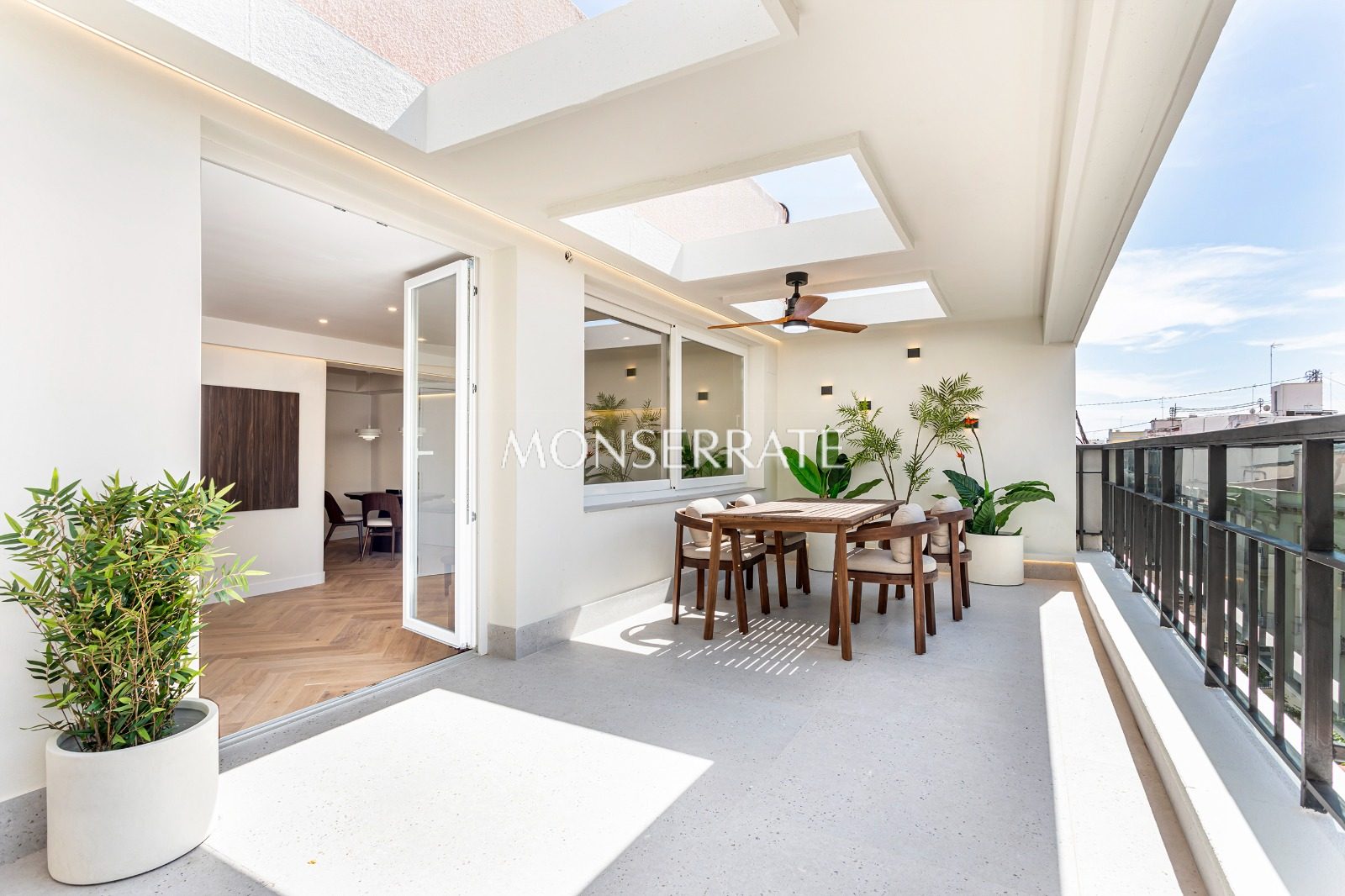
Buy
1.800.000€
An Exceptional Penthouse in the Heart of Pla del Remei

Valencia

V5362

196 sqm House

3

3
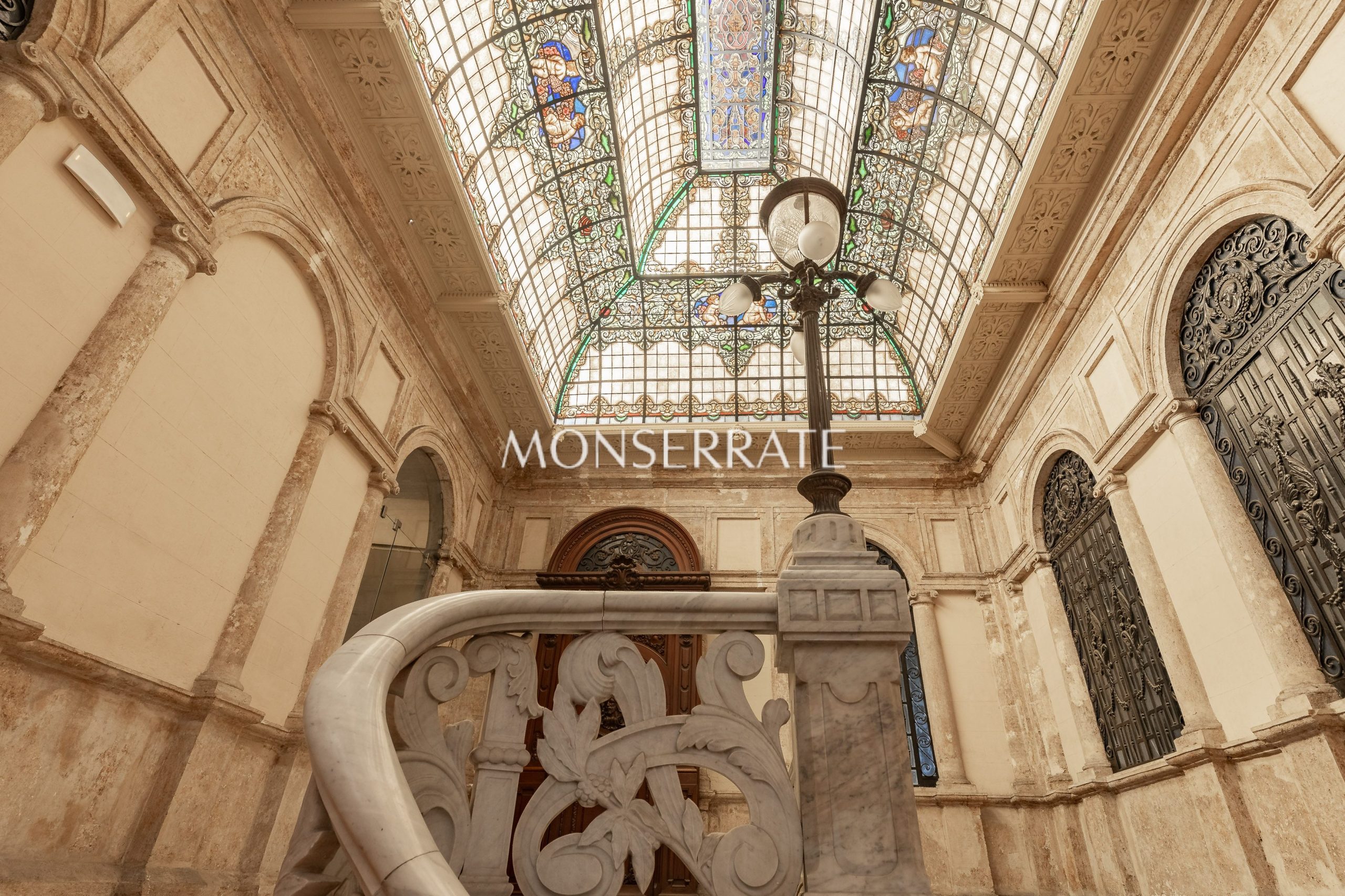
Buy
2.900.000€
Historic Residence Overlooking Alfonso el Magnánimo Square
Valencia
V5335
400 sqm House
5
4
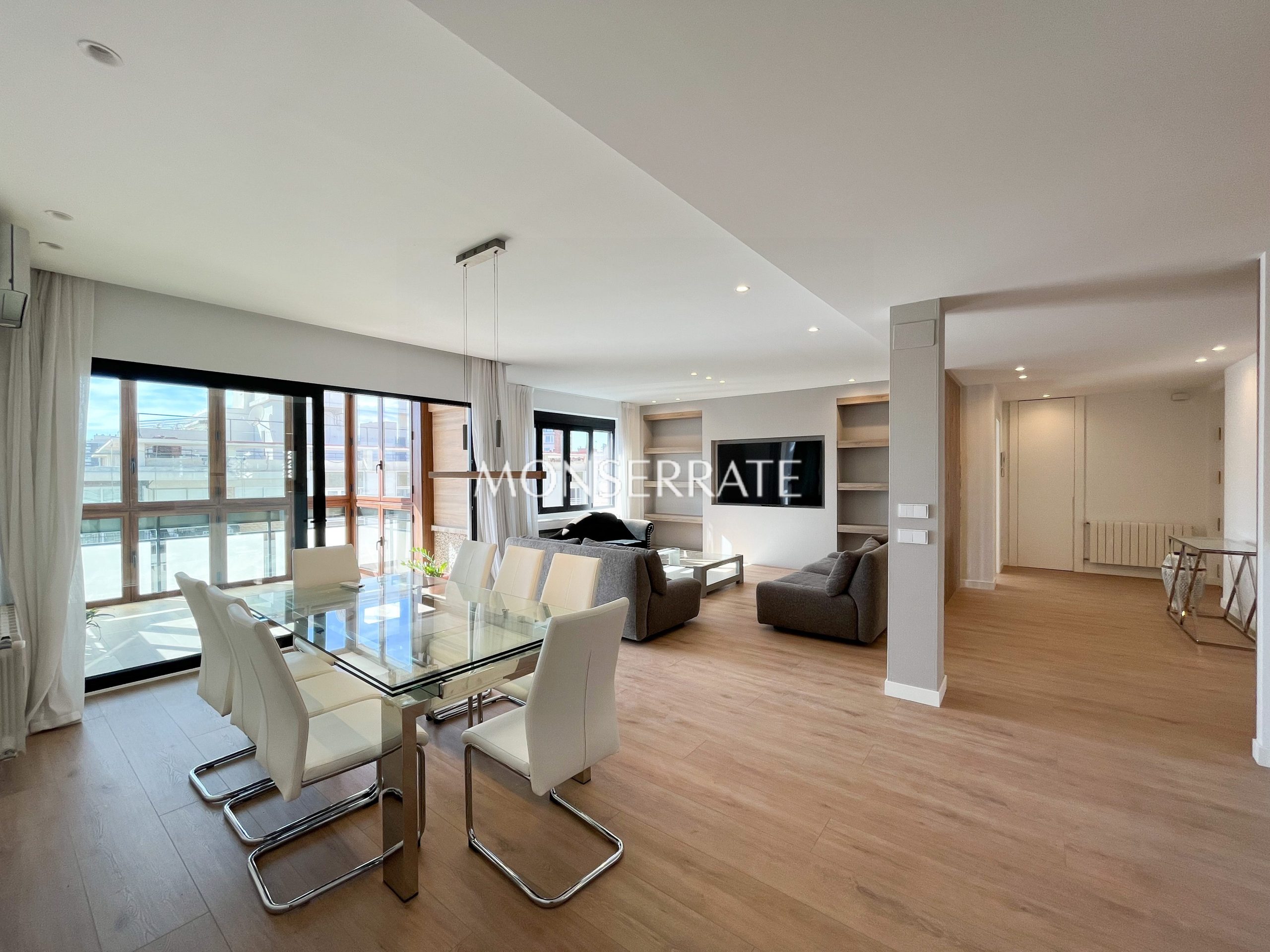
Rent
3.900€
Elegant and spacious renovated apartment in Jaime Roig, next to the German School
Valencia
A5282
240 sqm House
4
3

Buy
1.380.000€
High-end newly renovated property in Gran Vía
Valencia
V5328
168 sqm House
4
4
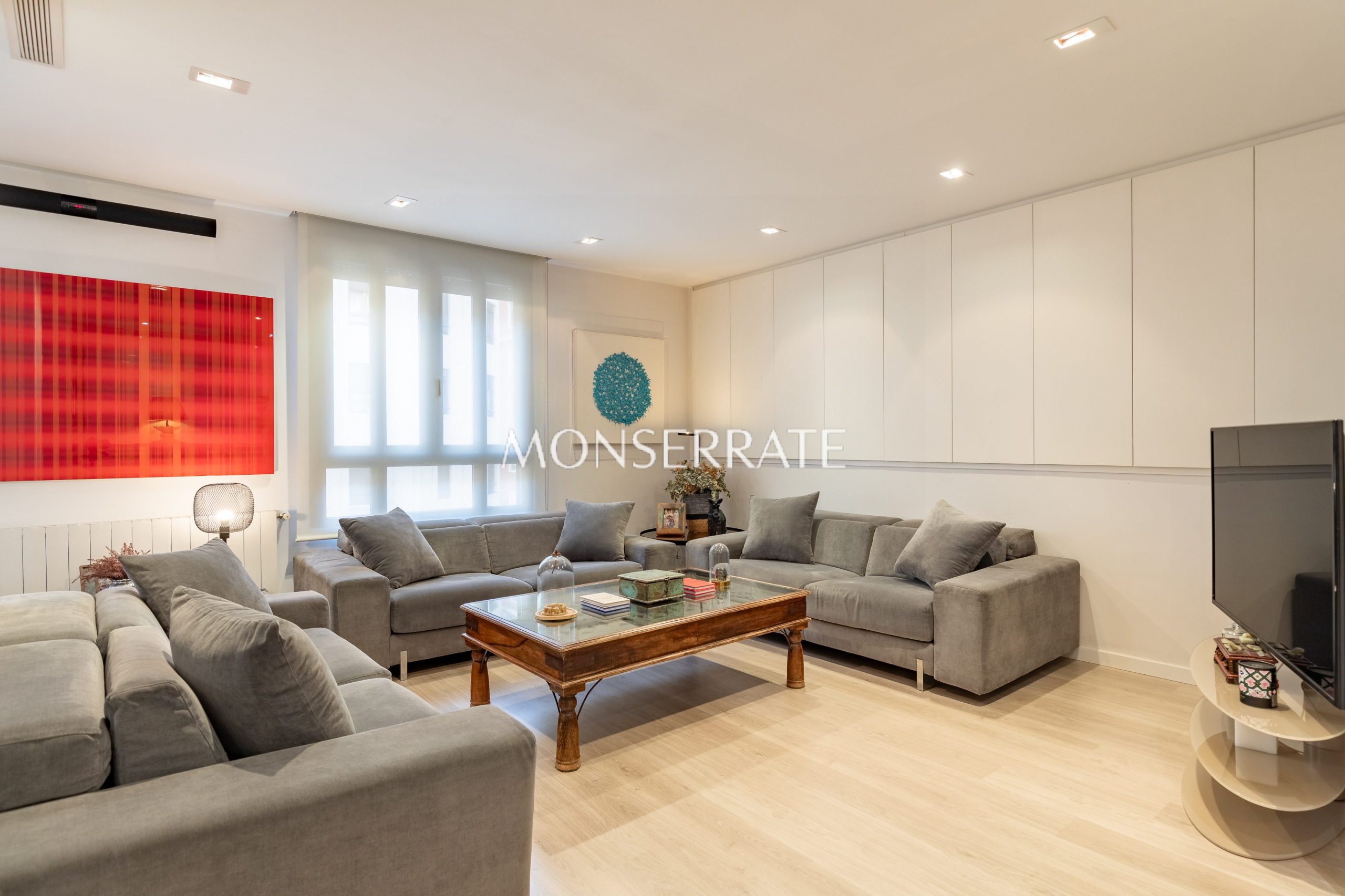
Rent
3.000€
Fabulous furnished property for rent next to the central market
Valencia
A5346
182 sqm House
4
3
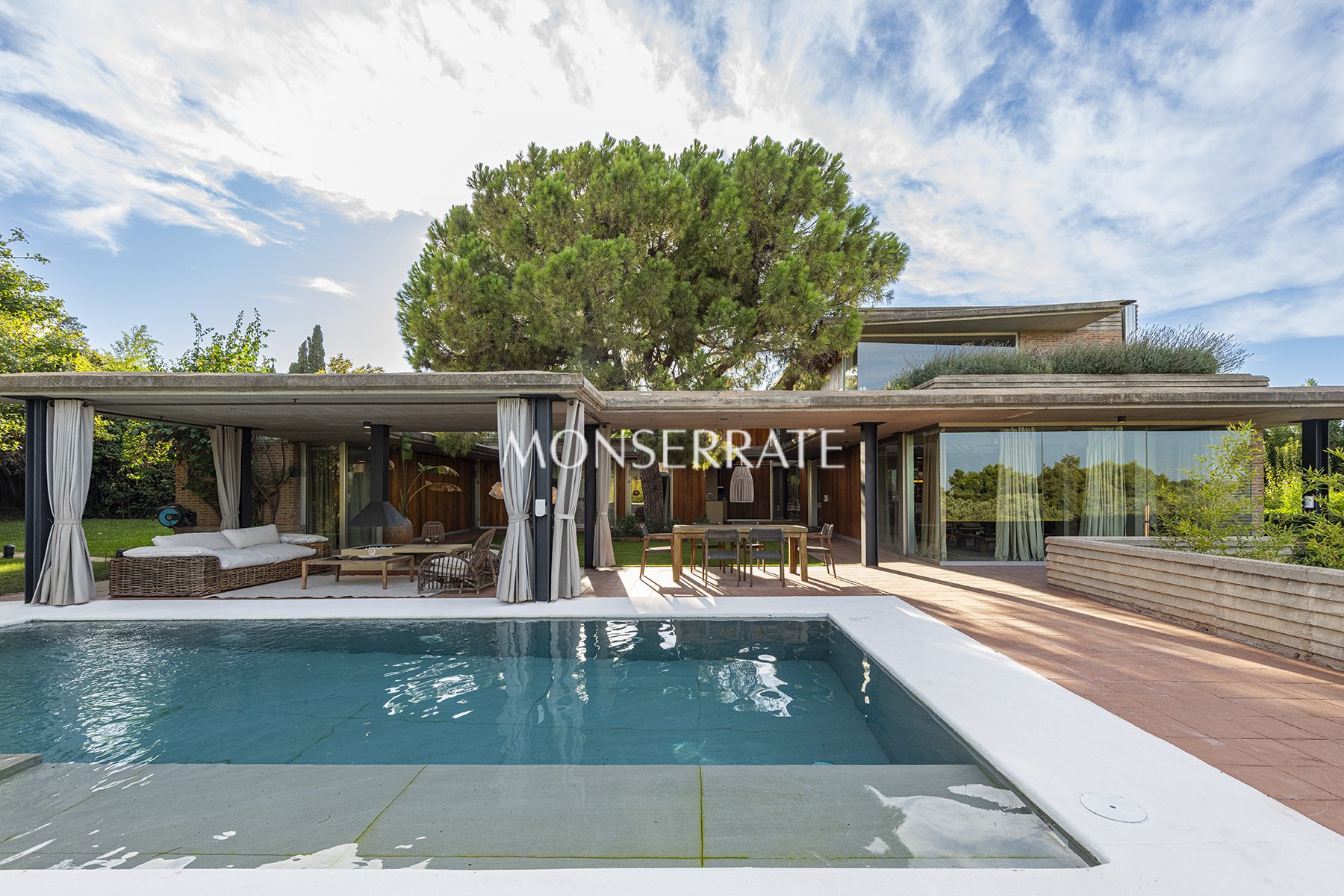
Rent
12.000€
Exclusive contemporary chalet overlooking the golf course in Torre en Conill
Valencia
A744
510 sqm House
5
5
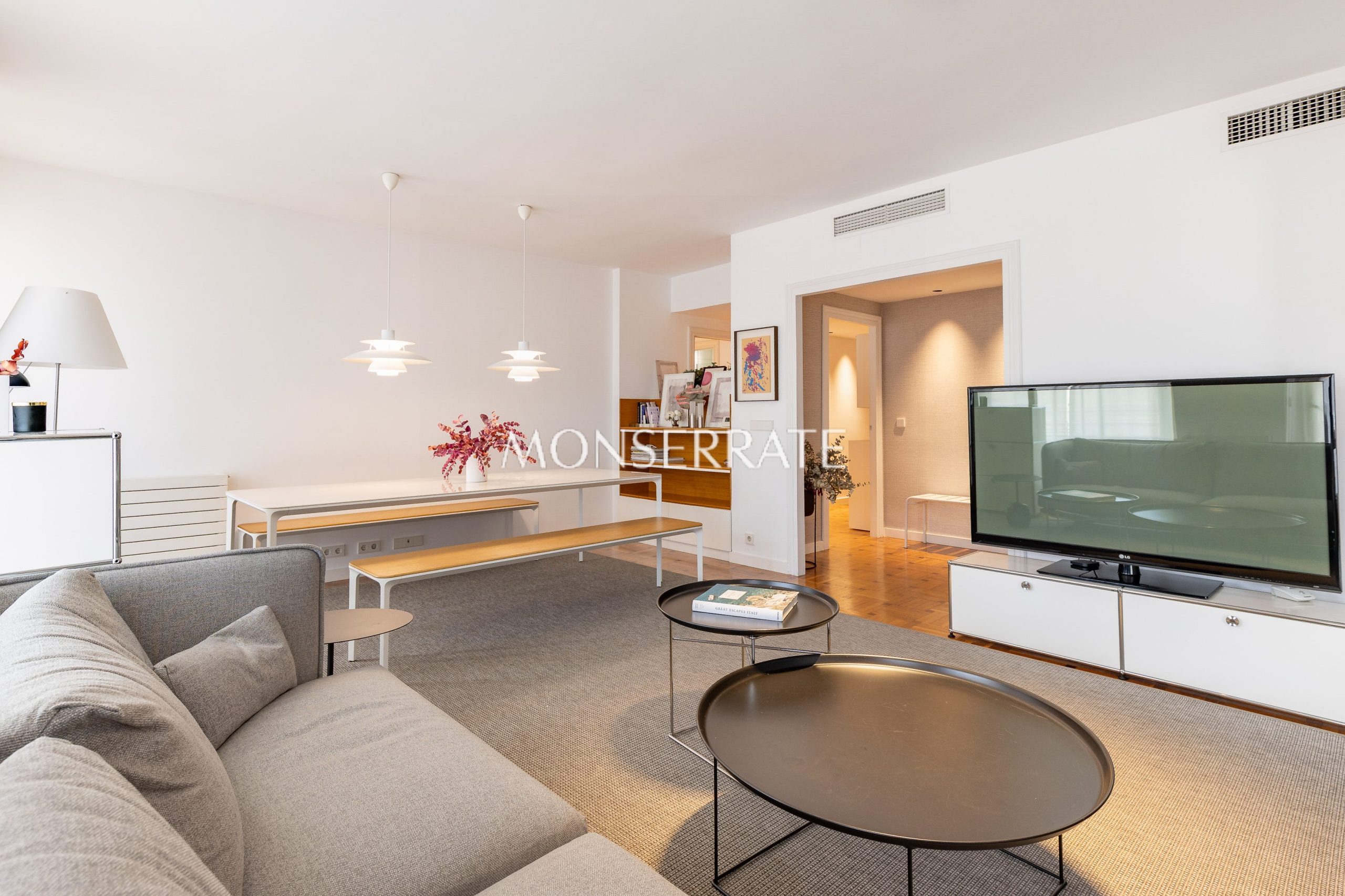
Buy
1.200.000€
Spacious Apartment with Terrace and Garage in Jaume Roig
Valencia
V5361
204 sqm House
4
3
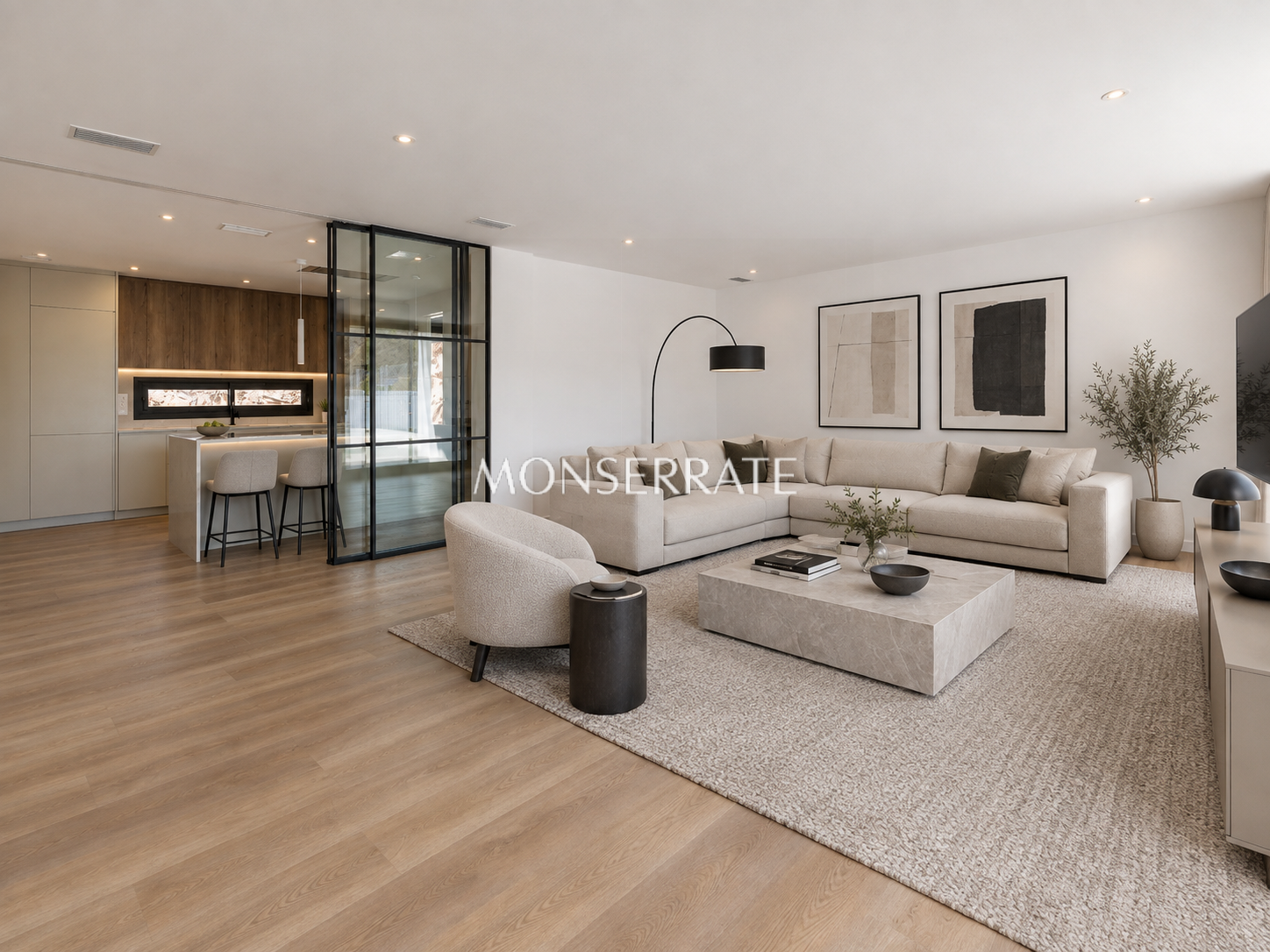
Buy
895.000€
Great New Built Villa in Alfinach
Puzol / Puçol
V276
200 sqm House
4
3

Rent
2.900€
Exclusive Apartment at Monasterios Residences I
Sagunto / Sagunt
A137
145 sqm
2
2

Rent
3.300€
Spectacular designer home for rent in the heart of Valencia’s Ensanche district
Valencia
A5418
156 sqm House
3
2

Rent
3.600€
Exclusive Bungalow for Rent in Los Monasterios
Sagunto / Sagunt
A136
150 sqm House
3
4

Rent
3.600€
Magnificent Detached Villa with Private Pool in Alfinach
Valencia
A219
211 sqm House
4
3

Buy
1.970.000€
Luxury Villa with Spacious Garden and Swimming Pool in Campolivar
Godella
V798
530 sqm House
4
3

Buy
799.000€
Exclusive Designer Detached Home with Private Elevator
Valencia
V5350
394 sqm House
3
2

Buy
1.750.000€
Magnificent opportunity: luxury apartment for renovation in Plaza Legión Española
Valencia
V5352
300 sqm House
5
4

Rent
2.800€
Luxury Penthouse with Two Terraces & Jacuzzi
El Puig
A5407
192 sqm House
3
2

Buy
2.500.000€
Outstanding Luxurious Villa with Spa in Los Monasterios
Puzol / Puçol
V169
840 sqm House
8
7

Buy
2.625.000€
Exclusive Luxury Villa Under Construction in Torre en Conill
Bétera
V908
422 sqm
6
5
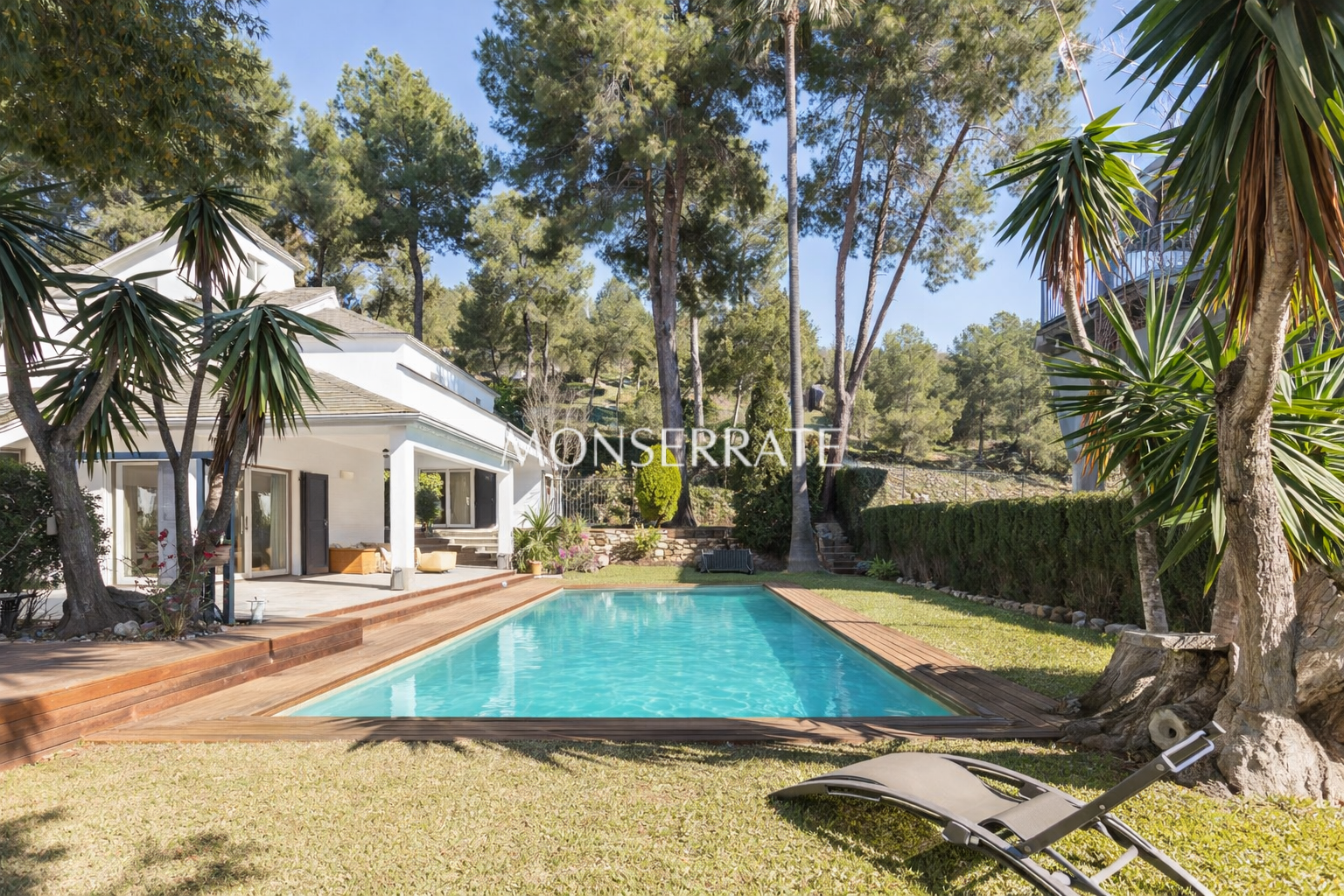
Buy
1.400.000€
Luxury home for Sale in Los Monasterios
Puzol / Puçol
VA117
468 sqm House
5
4

Buy
1.430.000€
Exceptional Renovated Residence in La Xerea
Valencia
V5347
211 sqm House
3
3

Buy
1.375.000€
Designer Apartment with Terrace in Mestalla
Valencia
V5331
229 sqm House
3
2

Buy
4.750.000€
Exclusive Luxury Estate in Vall d'Albaida
Fontanares
F112
750 sqm
9
6

Buy
6.600.000€
Outstanding private estate located between Valencia and Madrid
Garaballa, Cuenca
F108
1.200 sqm
9
10

Buy
580.000€
Country Estate on a 37,000 m² Estate in Fontanars dels Alforins, Ontinyent
Fontanares
F114
129 sqm
2
2
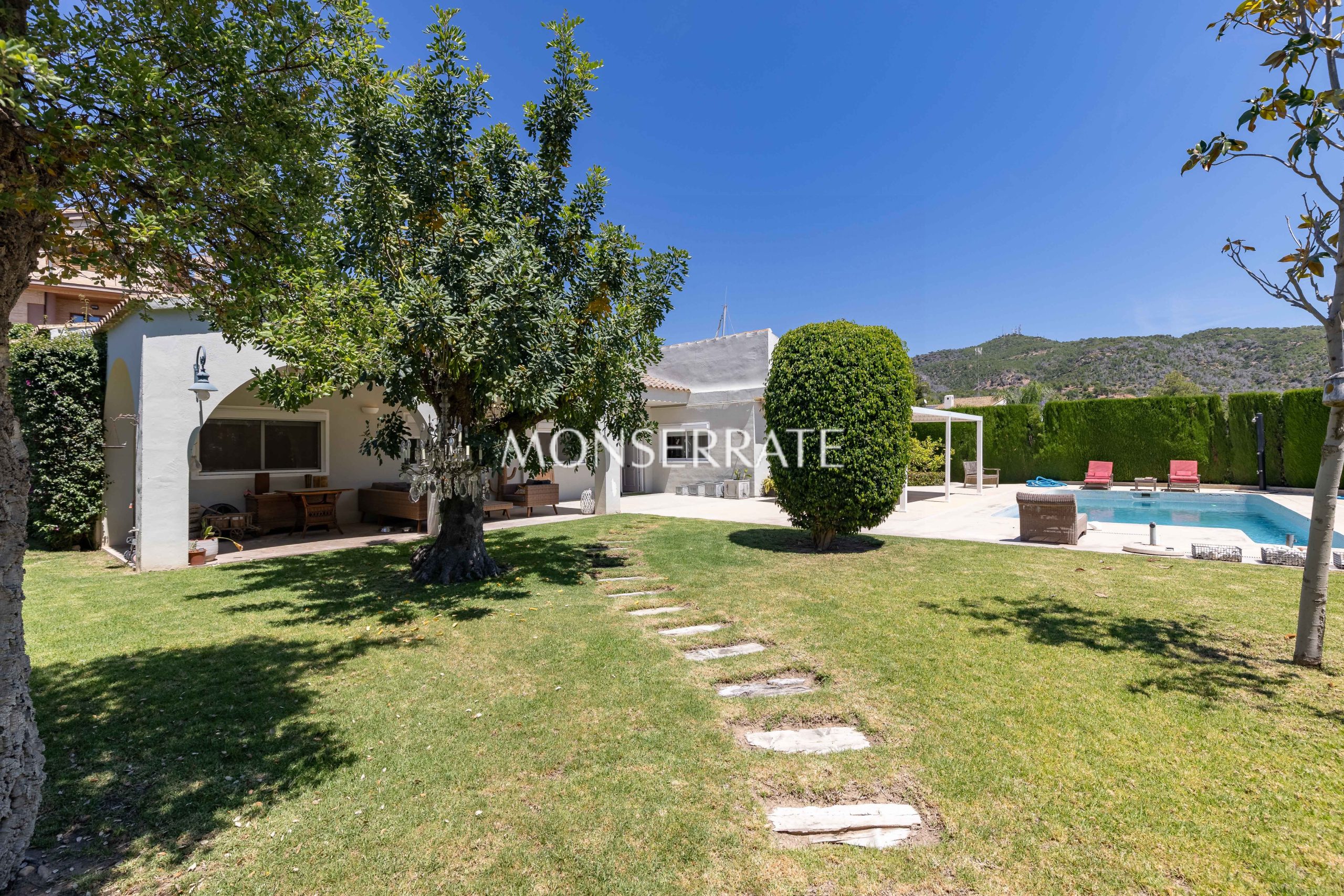
Buy
880.000€
Luxury Detached Villa with Pool and Garden in Alfinach
Puzol / Puçol
V275
269 sqm House
3
2

Rent
3.900€
Fantastic penthouse for rent with fabulous views.
Valencia
A5344
155 sqm House
2
2

Rent
3.500€
Elegant furnished property in Plaza Tetuan
Valencia
A506
178 sqm House
4
3
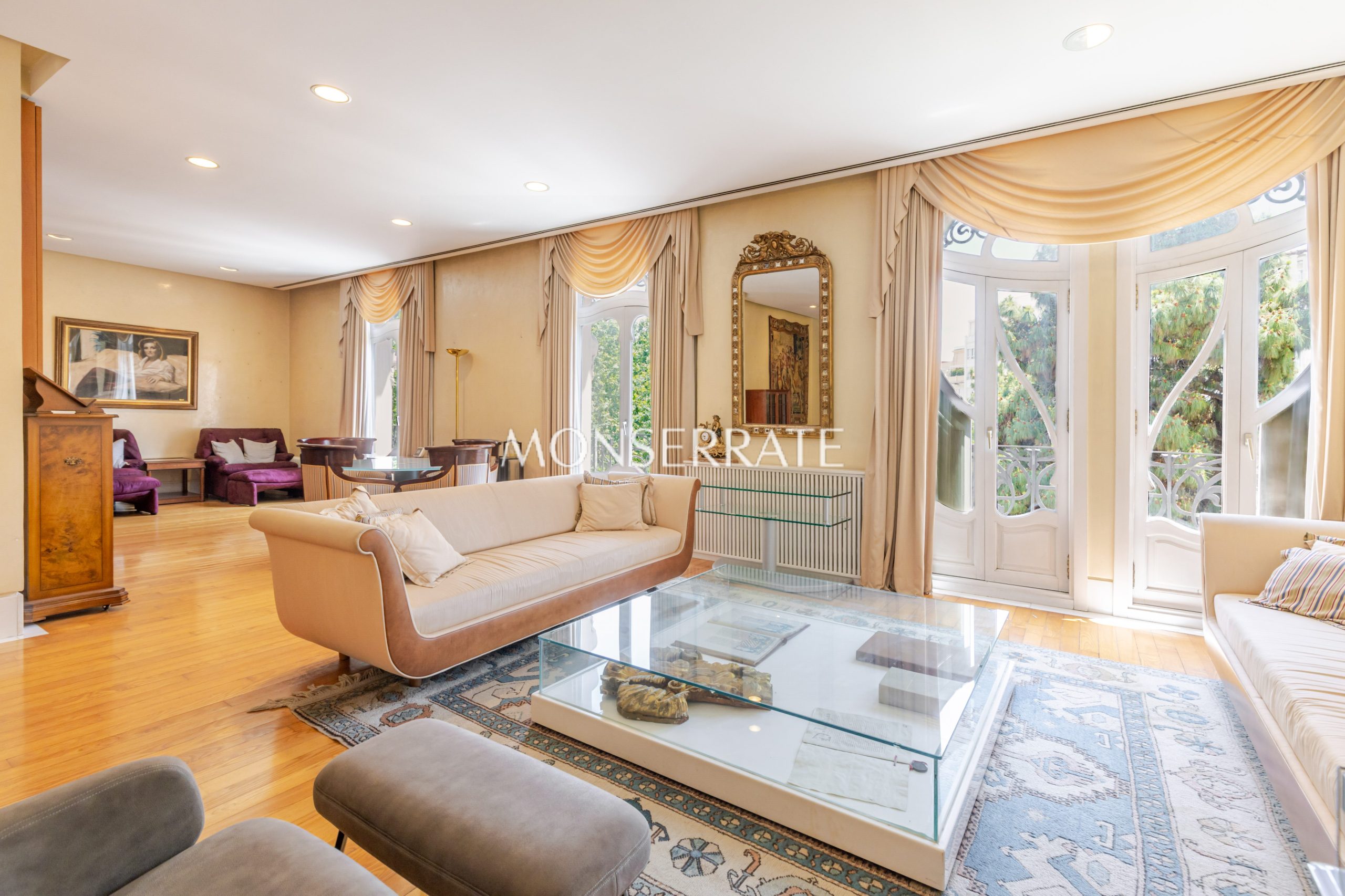
Buy
2.375.000€
Distinguished Duplex Penthouse in Landmark Modernist Building
Valencia
V5342
457 sqm House
5
5

Buy
780.000€
New Build Apartment in El Botánico
Valencia
ON506
144 sqm
3
2

Buy
525.000€
Wonderful Beachfront Apartment in Playa del Puig
Valencia
V5358
97 sqm
3
2
Artículos Relacionados

Taxes for Non-Residents on the Sale of a Property in Spain: Everything You Need to Know
June 26, 2026
Leer más

Buying a second home in Spain as a non-resident: steps, taxes and requirements
August 31, 2026
Leer más

Valencia for Luxury Digital Nomads: Why International Professionals Choose This City
August 28, 2026
Leer más

How to Buy a Luxury Property in Spain and Ensure a Profitable Investment
June 30, 2026
Leer más

Where to live near the British School of Valencia: the best areas and luxury properties
August 31, 2026
Leer más

Deposit for purchase agreement: advice for buyers when signing
June 23, 2026
Leer más

Alfinach: Luxury that doesn’t need to announce itself
September 15, 2026
Leer más

Pla del Real, Valencia: the neighbourhood where people who choose well end up living
August 31, 2026
Leer más

Living in Ruzafa: Art, gastronomy and a cosmopolitan vibe in Valencia’s coolest neighbourhood
September 15, 2026
Leer más

