

Procedures and documents for selling a house in Spain: everything you need to know
19 December 2025
Do you want to sell your house in 2026? Here are the essentials.
Selling a house in Spain in 2026 requires much more than finding a buyer. The process demands planning, legal knowledge and impeccable management of the documents for selling a property and all associated procedures.
Any error in documentation or deadlines can delay the signing, generate unexpected costs or put the transaction at risk.
That’s why knowing precisely what you need to sell a flat, what documents you need to bring to the notary and what the steps are for selling a house in accordance with current regulations guarantees a safe, swift sale. Without surprises.
In this guide, we clearly and practically explain everything necessary to sell a property with guarantees: the essential documentation, procedures before and after the sale, and aspects worth considering to close the transaction safely and confidently.
Discover our ▷ Luxury villas in Los Monasterios
Mandatory documents and procedures for selling a house in Spain
To sell a house in Spain it’s essential to comply with a series of procedures and provide specific documentation that guarantees the sale is carried out legally, safely and in accordance with current regulations.
These requirements don’t only respond to an administrative matter, but fulfill an essential function of legal protection for both the seller and the buyer.
Having all the documents to sell a property allows verification of the property’s ownership, its legal situation and compliance with tax and urban planning obligations, avoiding incidents during the sale and subsequent conflicts.

You might be interested in ▷ Property investment in Valencia: What opportunities and benefits does it offer?
These are the reasons that support the importance of complying with procedures and attaching the required documentation:
- Guarantee the legality of the sale: documents such as the property deed and the simple note from the Property Registry allow verification that the seller is the legitimate owner of the property and that the property is free of charges, mortgages or encumbrances.
This verification is fundamental to protect the buyer and provide full legal security to the transaction.
- Transparency and trust between seller and buyer: having all the documentation for selling a flat in order—such as the energy certificate or the certificate of being up to date with payments to the homeowners’ association—generates an environment of trust during negotiation.
The buyer can verify that the property complies with legal requirements and that there are no outstanding debts, which facilitates the agreement and speeds up closing the transaction.
- Prevention of future legal and tax problems: the lack of any of the necessary documents to sell a house can lead to claims, sanctions or subsequent conflicts.
For example, not providing the last IBI receipt can generate conflicts about the distribution of taxes and selling without an energy certificate can result in fines from the Administration.
- Streamline notarial and registry procedures: Notaries and Registrars require specific documentation to formalize the sale.
Having all the documents to sell a flat from the beginning allows the signing of the public deed and registration in the Property Registry to be carried out without delays or additional requirements.
- Compliance with current regulations: the sale of real estate in Spain is subject to strict regulation.
Complying with the procedures to sell a flat and providing the required documentation is a guarantee that the transaction is carried out in accordance with the law, protecting both parties and providing stability to the property market.
What documents you need to sell a house in Spain
Before putting your property on the market, it’s essential to have complete documentation that supports the transaction. Having all the necessary papers allows you to manage the sale efficiently, comply with current regulations and convey security and confidence to buyers.

Below, we explain the essential documents and additional ones that can facilitate the sale:
Essential documents for selling a house in Spain
- Property deed: this document certifies that you are the legal owner of the property. Without the deed, the sale cannot be formalised. It’s the basis of any transaction and allows the Notary and Property Registry to verify your ownership.
- Energy certificate: mandatory since 2013, the energy certificate classifies the property’s energy efficiency. Its absence can hinder the sale and even generate administrative sanctions.
- Last IBI receipt (Property Tax): certifies that you’re up to date with municipal payments. It can be obtained through the corresponding Town Hall’s website.
- Residents’ association certificate: this document (issued by the Administrator and signed by the President) certifies that there are no debts with the community.
It’s especially important in houses and properties that are part of communities to ensure the buyer doesn’t assume pending responsibilities. - Simple note from the Property Registry: shows the legal situation of the property, including ownership, charges and encumbrances.
It’s normally requested a few days before signing, although the Notary will request and attach to the purchase deed an updated simple note on the day of the deed to guarantee the most recent information.
Discover our properties! ▷ Luxury properties in Valencia
Additional recommended documents
Although not mandatory, these documents can speed up the sale and add value:

- Property plans: help buyers understand the layout and dimensions of the property.
- Installation certificates: certify compliance of electricity, gas and water installations.
- Habitability certificate: ensures the property meets minimum requirements to be inhabited.
- Mortgage cancellation deed / zero debt certificate: essential if the property was mortgaged and has already been paid off.
- Utility receipts: demonstrate that water, electricity and gas payments are up to date, avoiding surprises for the buyer.
You may be interested in → Real estate investment in Valencia: What opportunities and benefits does it offer?
Having all the documents to sell a house allows the Notary to check that everything is in order and to ensure the legality of the transaction.
Documents to bring to the Notary on the day of sale
The signing of the deed before a Notary is one of the most important moments when selling a house and requires all documentation to be in order.
Arriving at the Notary with all documents ready is one of the most important steps to sell a house and allows you to focus on formalizing the transaction, without worrying about pending procedures.
When formalizing the sale, the Notary must have the following documentation:
➨ Simple note from the Property Registry
➨ DNI or NIE of the seller and buyer
➨ Property deed of the property
➨ Energy certificate
➨ Last IBI receipt (Property Tax)
➨ Homeowners’ association certificate
Procedures after selling a property in Spain
Selling a house doesn’t end with signing the deed before a Notary. Once the sale is completed, you must comply with a series of procedures after selling a house to close the transaction definitively and avoid legal or tax problems.
After the sale, the seller must take care of certain taxes, among which stand out:
- Municipal capital gains tax: this tax levies the increase in land value from when it was acquired until the sale. It’s mandatory and must be managed with the corresponding Town Hall.
- IBI (Property Tax): unless otherwise agreed, it’s normal to agree that the seller must pay the proportional part of the IBI corresponding up to the sale date.
- Declaration of the sale to the Tax Office: you must include the transaction in the income tax return for the year of sale.
For example, if you sold a house in 2025, you must declare the capital gain obtained in the 2026 tax year.
In addition to taxes, it’s important to manage utilities to avoid inconveniences for the new owner:
➨ Provide the buyer with information about suppliers and contract numbers to guarantee a smooth transition.
➨ Cancel or transfer water, electricity, gas and other service contracts.
How the costs of selling a house are divided
When selling a property, it’s essential to know which expenses correspond to the seller and which to the buyer, to avoid surprises and properly plan the transaction.
The Civil Code, in its article 1455, establishes that:
“The expenses for granting the deed shall be borne by the seller, and those for the first copy and others subsequent to the sale shall be borne by the buyer, unless otherwise agreed.”
In practice, this means that, unless there’s a specific agreement between the parties, each assumes the costs provided by law.
Below, we detail how the main expenses of a sale are divided:
| Buyer | Seller |
| Notary: expenses for the first copy and subsequent to the sale | Notario: expenses for granting the sale deed |
| Property Registry: registration of the sale | Property Registry: cancellation of charges, encumbrances and mortgages |
| Taxes: Property Transfer Tax and Documented Legal Acts (ITPAJD) | Taxes: Municipal capital gains tax |
| Taxes: IBI for the year of purchase, proportional to time since acquisition | Taxes: IBI for the year of sale, proportional to time as owner |
Selling in Valencia: particularities and aspects to consider
Although the procedures and documents to sell a house are the same throughout Spain, there are certain factors worth considering.
Neighborhoods like Pla del Real or Gran Vía and residential developments like Los Monasterios or Alfinach have a very dynamic market, especially for high-value properties.
Discover our properties in → The best luxury urbanisations in Valencia.
Managing all the procedures and documents to sell a flat can be complex, especially if you don’t know the specific legal and administrative requirements.
Checklist: steps to sell a house in Spain
If you’re going to sell a house in Valencia, these are the essential steps to follow:
✅ Value the property according to the local market and area.
✅ Gather documentation: deed, energy certificate, IBI receipts, community certificate and simple note from the Registry.
✅ Verify charges or mortgages and cancel them if applicable.
✅ Prepare the sale: contact local professionals, list the property and coordinate viewings.
✅ Signing of the deed before a Notary with all updated documentation.
✅ Subsequent procedures: payment of taxes (municipal capital gains, proportional IBI), transfer of utilities and delivery of additional certificates to the buyer.
At Monserrate Inmobiliaria, we accompany our clients at every stage of the process of selling a house: from verification and preparation of documentation, management of procedures and negotiations, to signing the sale deed before a Notary.
With our expert advice, you can sell your house with complete security and peace of mind, knowing that every detail is managed professionally. We take care of everything so the transaction is swift, transparent and without surprises. Your comfort and satisfaction are our priority.
☎️ Contact us and let our team of experts in Valencia take care of every detail so that selling your house is swift, safe and hassle-free.
Write to us, and one of our premium home agents will get in touch with you.
Other properties
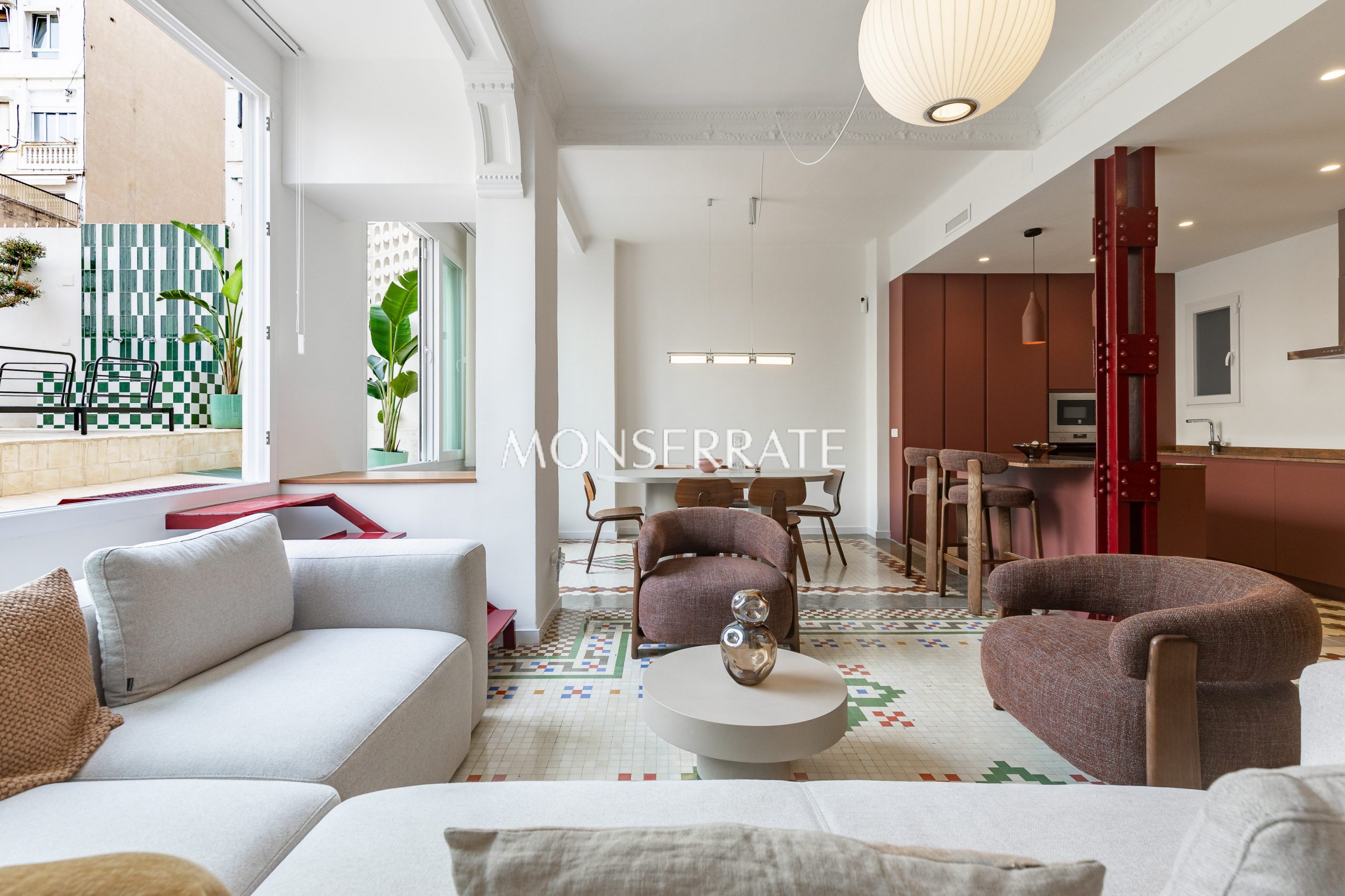
Buy
1.290.000€
Very Attractive Flat with a Large Private Terrace in Valencia's Eixample's District

Valencia

V5367

230 sqm House

4

4

Rent
10.000€
Elevated Elegance by Porta de la Mar
Valencia
V5284
246 sqm House
3
3
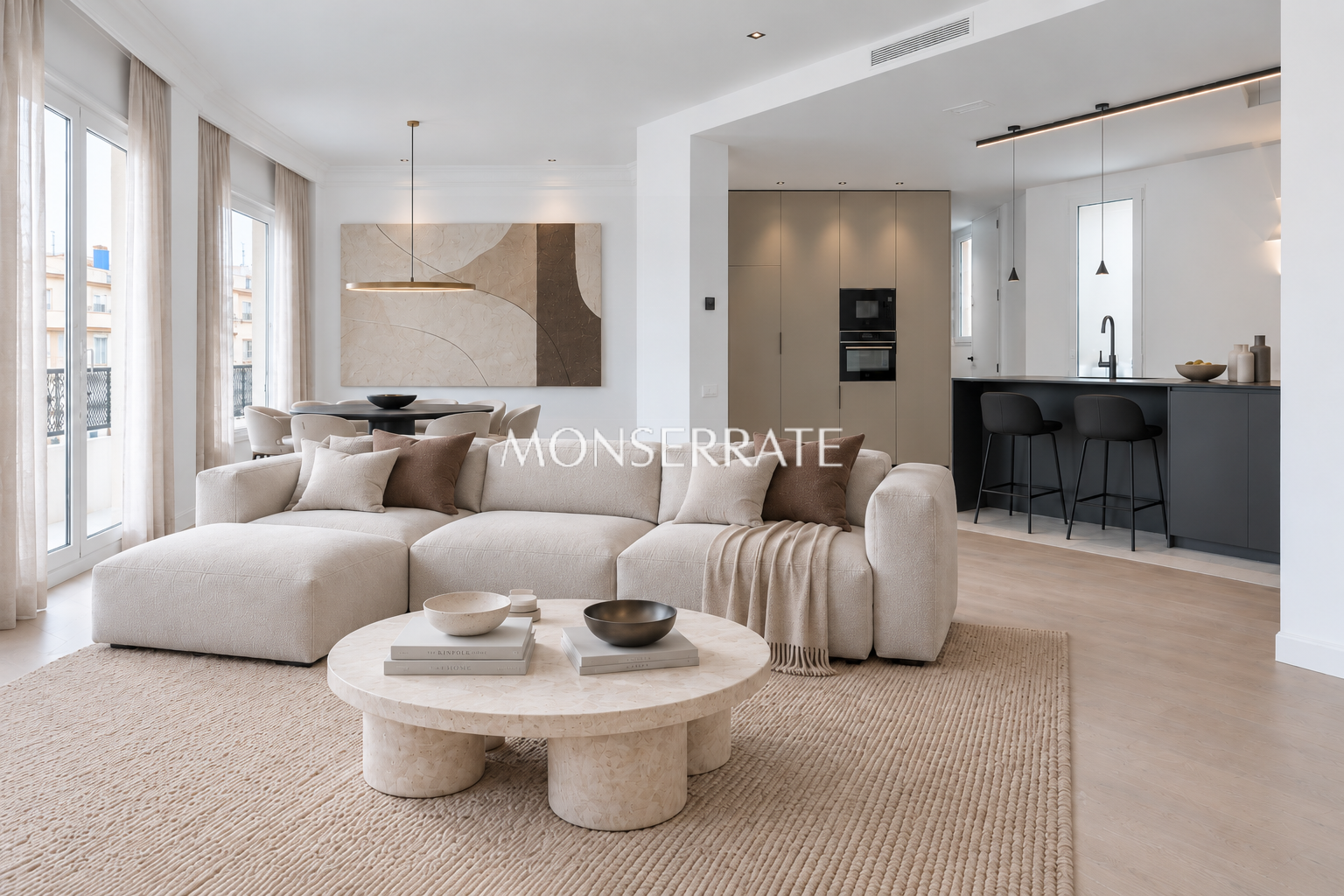
Buy
765.000€
High Quality Refurbishment in L’Eixample, Ruzafa
Valencia
V5363
127 sqm House
3
2

Buy
2.900.000€
Historic Residence at San Francesc wit Gorgeous Location and Views
Valencia
V5335
400 sqm House
5
4
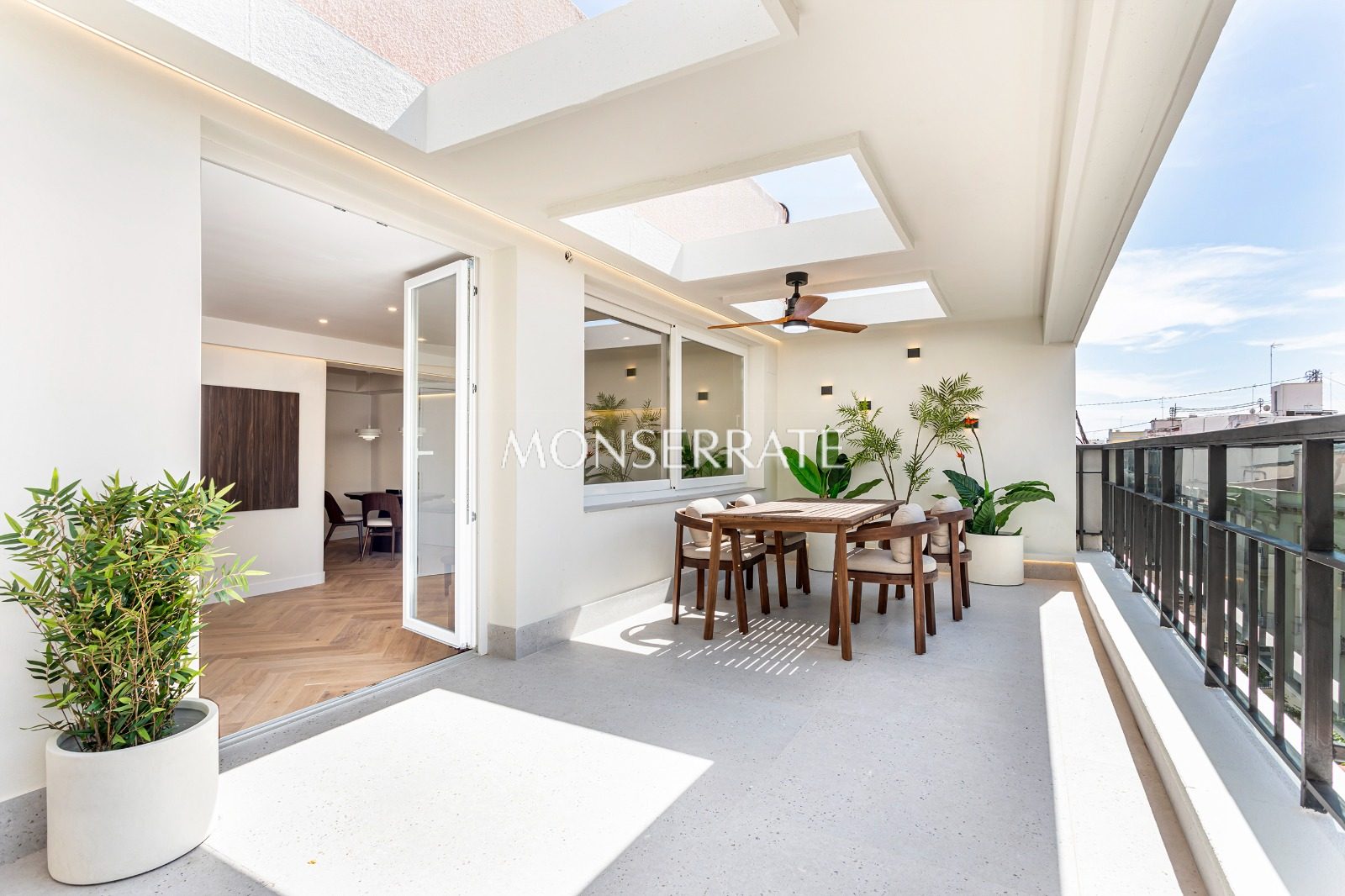
Buy
1.800.000€
An Exceptional Penthouse in the Heart of Pla del Remei
Valencia
V5362
196 sqm House
3
3
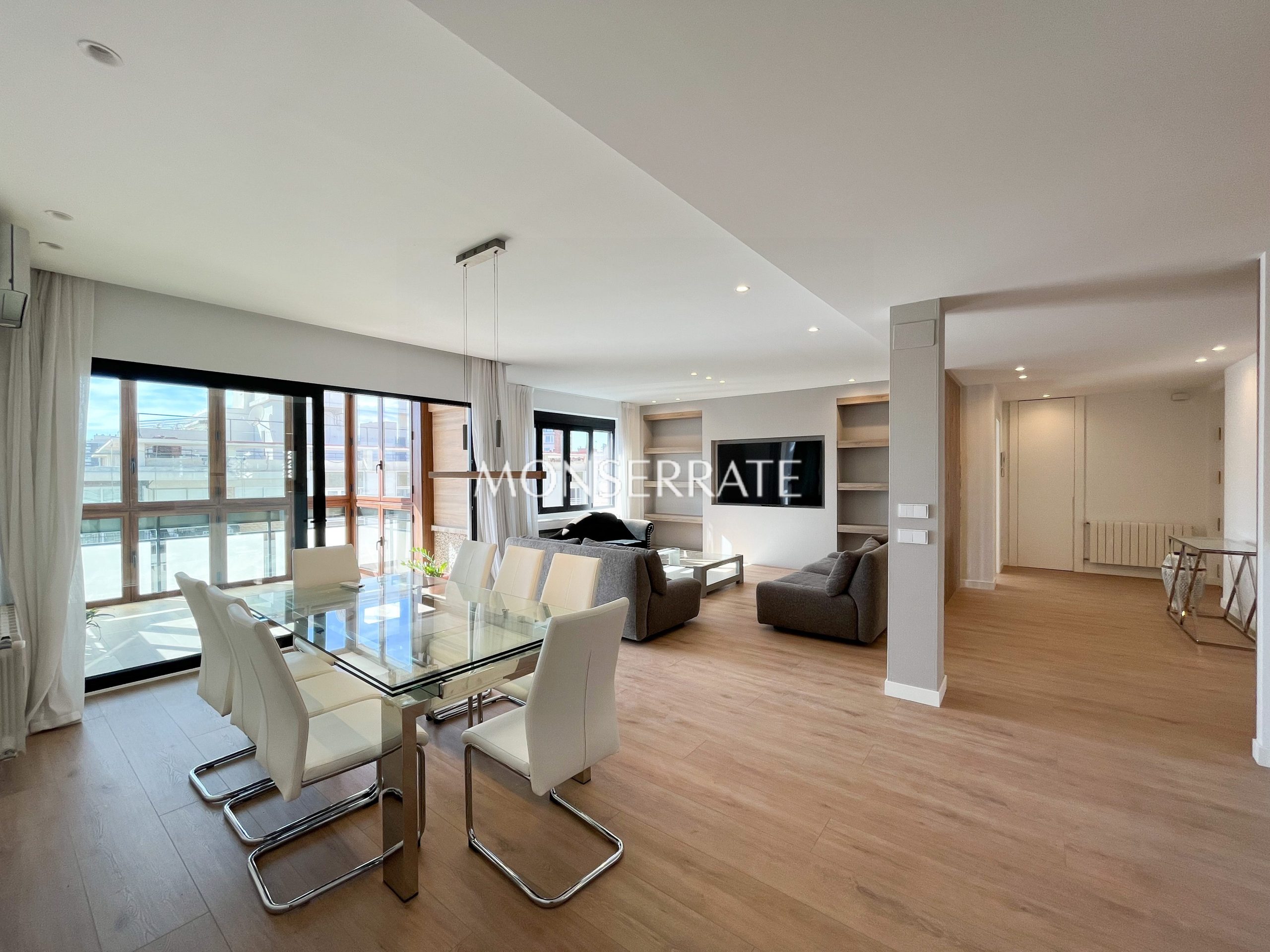
Rent
3.900€
Elegant and spacious renovated apartment in Jaime Roig, next to the German School
Valencia
A5282
240 sqm House
4
3

Buy
1.380.000€
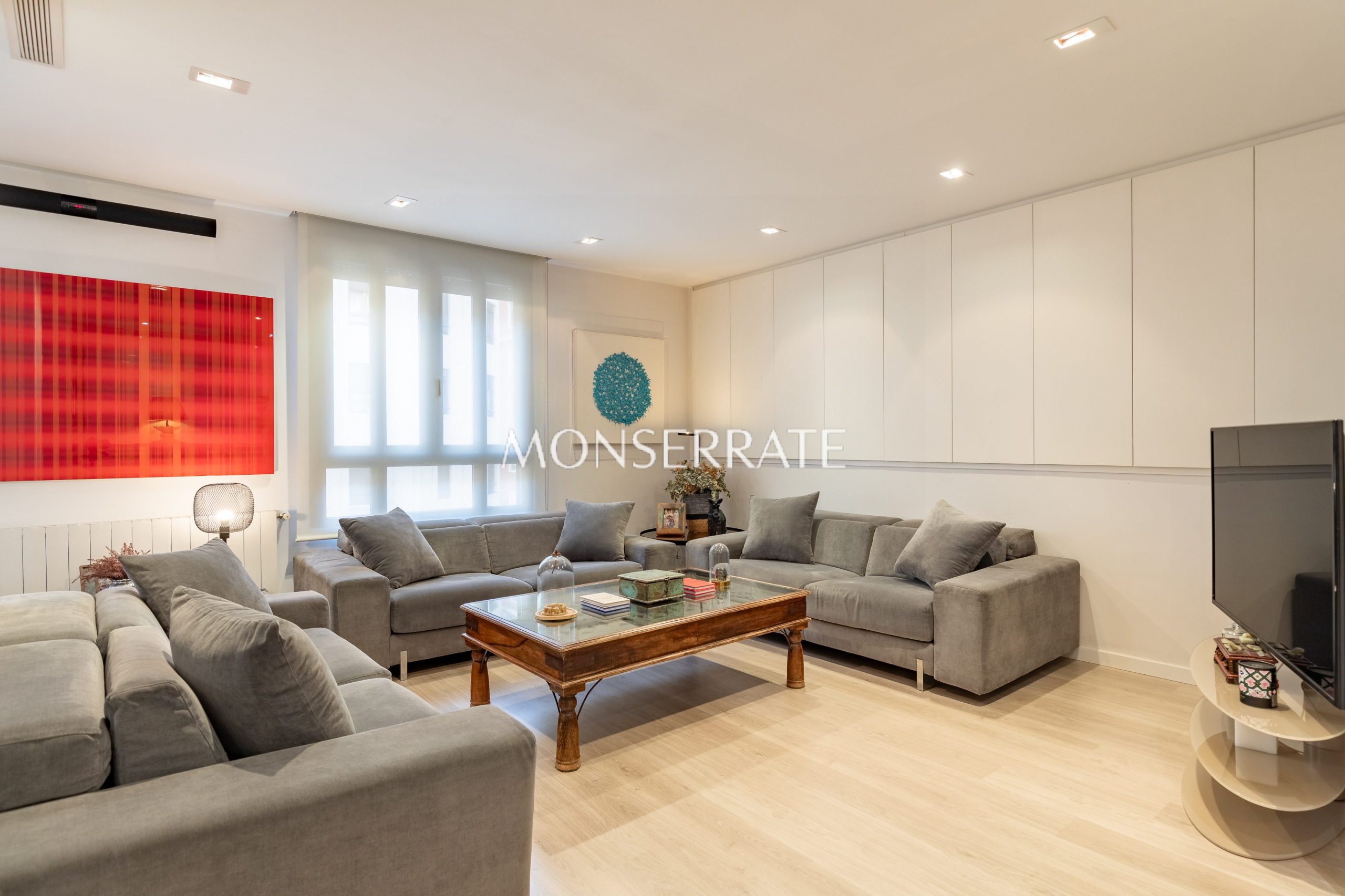
High-end newly renovated property in Gran Vía
Valencia
V5328
168 sqm House
4
4
Rent
3.000€
Fabulous furnished property for rent next to the central market
Valencia
A5346
182 sqm House
4
3

Rent, Buy
12.000€, 1.950.000€
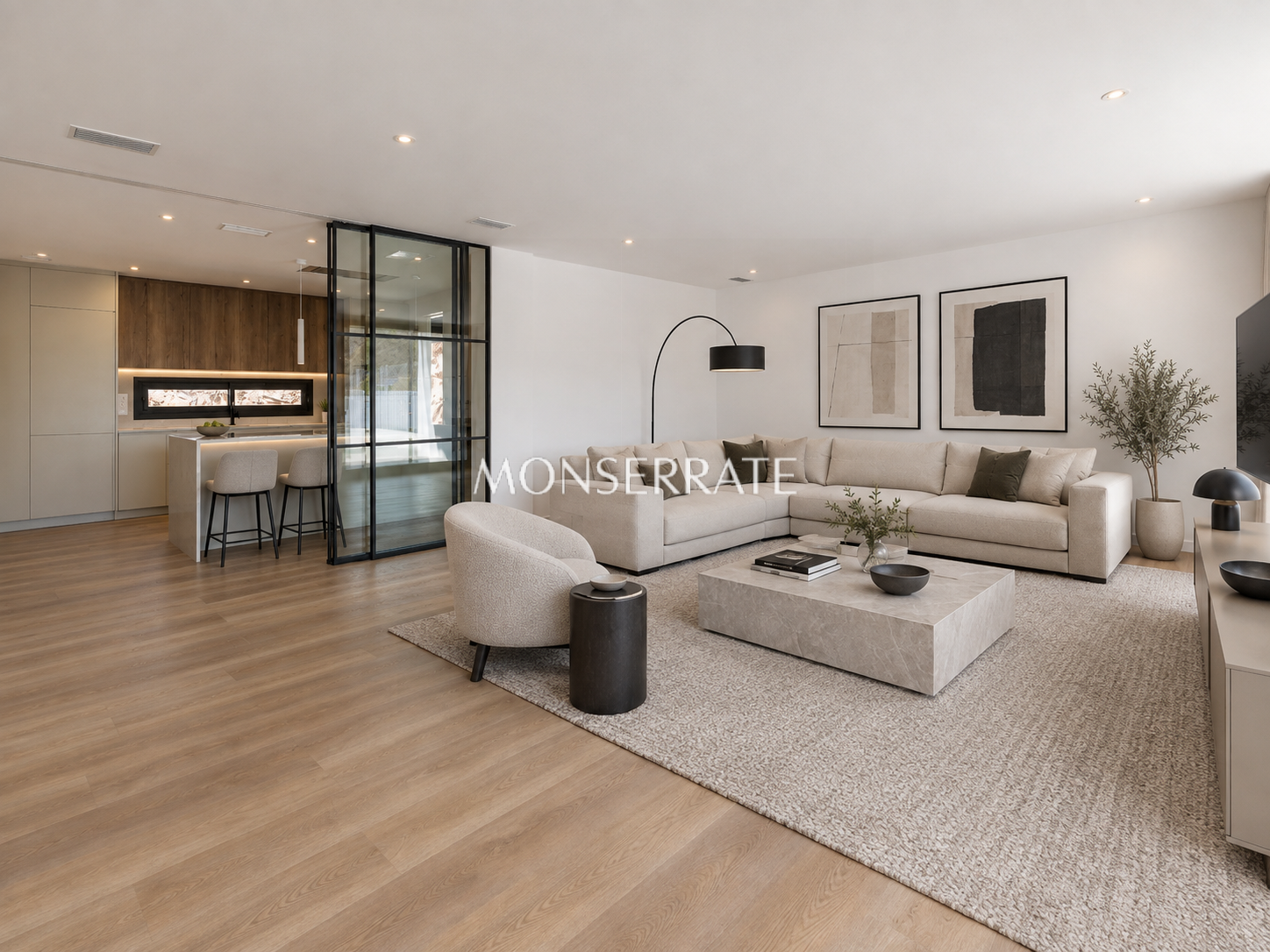
Exclusive contemporary chalet overlooking the golf course in Torre en Conill
Valencia
A744
510 sqm House
5
5
Buy
895.000€
Great New Built Villa in Alfinach
Puzol / Puçol
V276
200 sqm House
4
3
Buy
1.200.000€
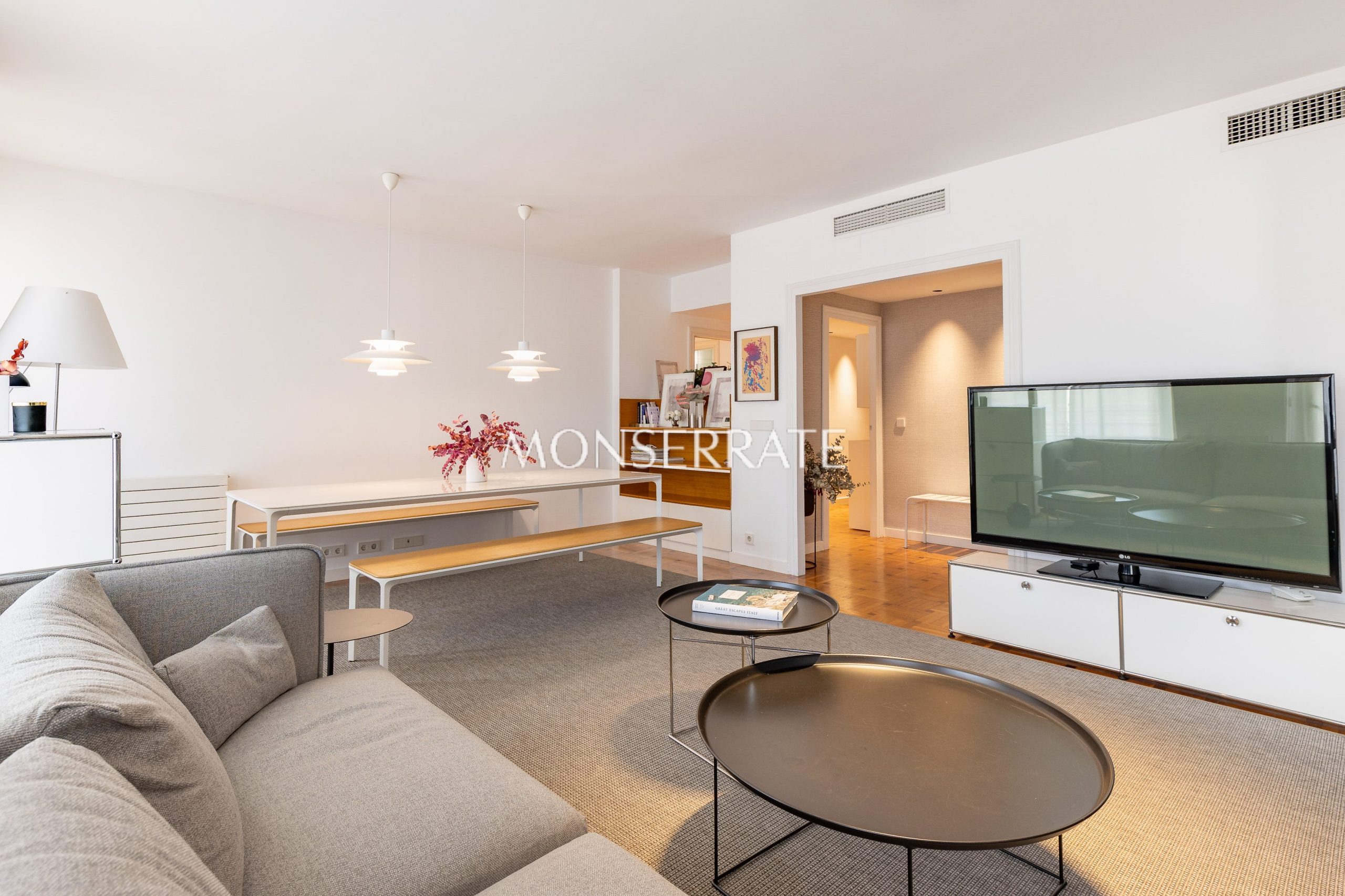
Spacious Apartment with Terrace and Garage in Jaume Roig
Valencia
V5361
204 sqm House
4
3

Rent
2.750€
Exclusive Apartment at Monasterios Residences I
Sagunto / Sagunt
A137
145 sqm
2
2

Rent
3.600€
Exclusive Bungalow for Rent in Los Monasterios
Sagunto / Sagunt
A136
150 sqm House
3
4

Rent
2.400€
Designer Mid-Term Rental Apartments in La Xerea
Valencia
A5423
112 sqm House
3
2
Rent
3.600€
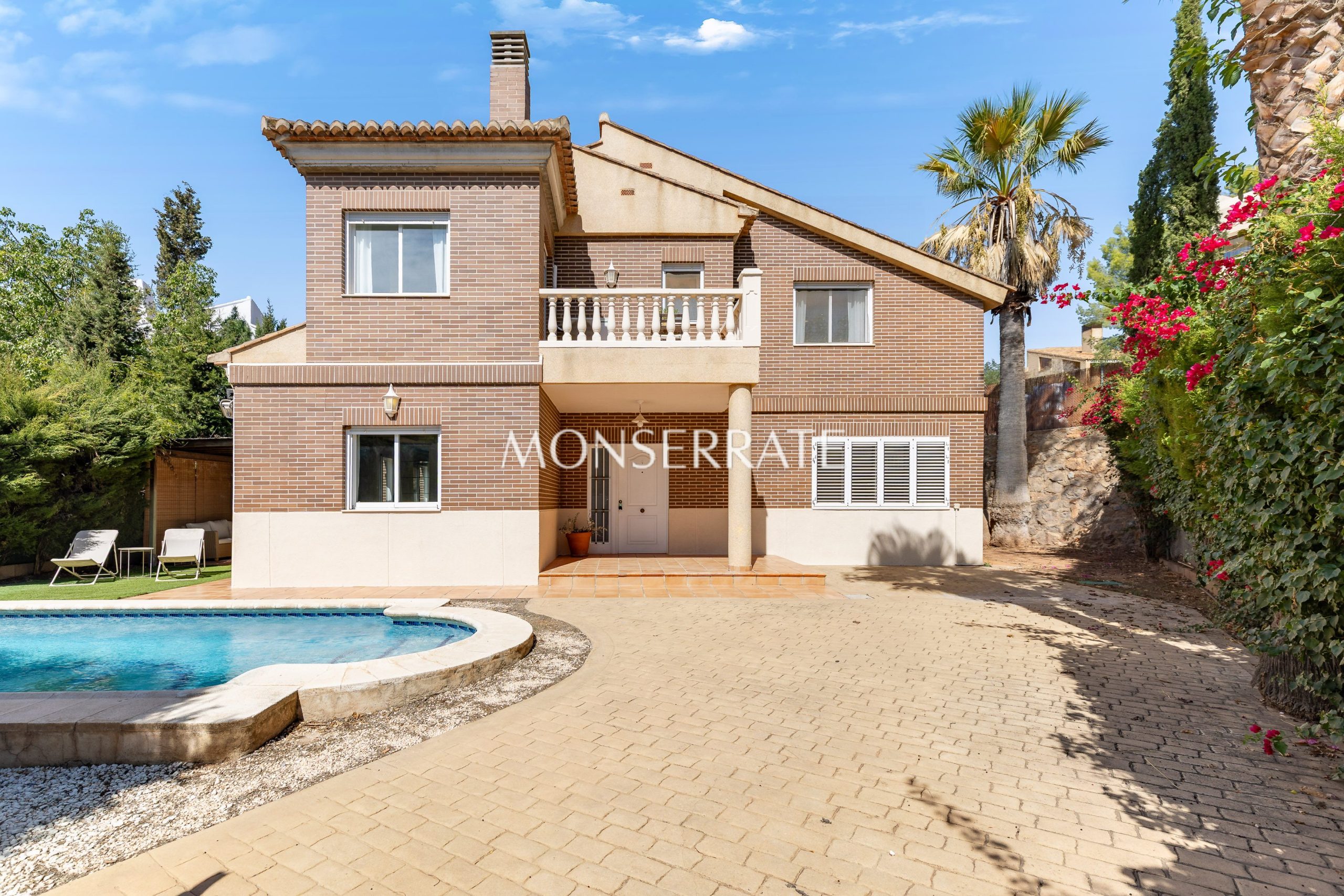
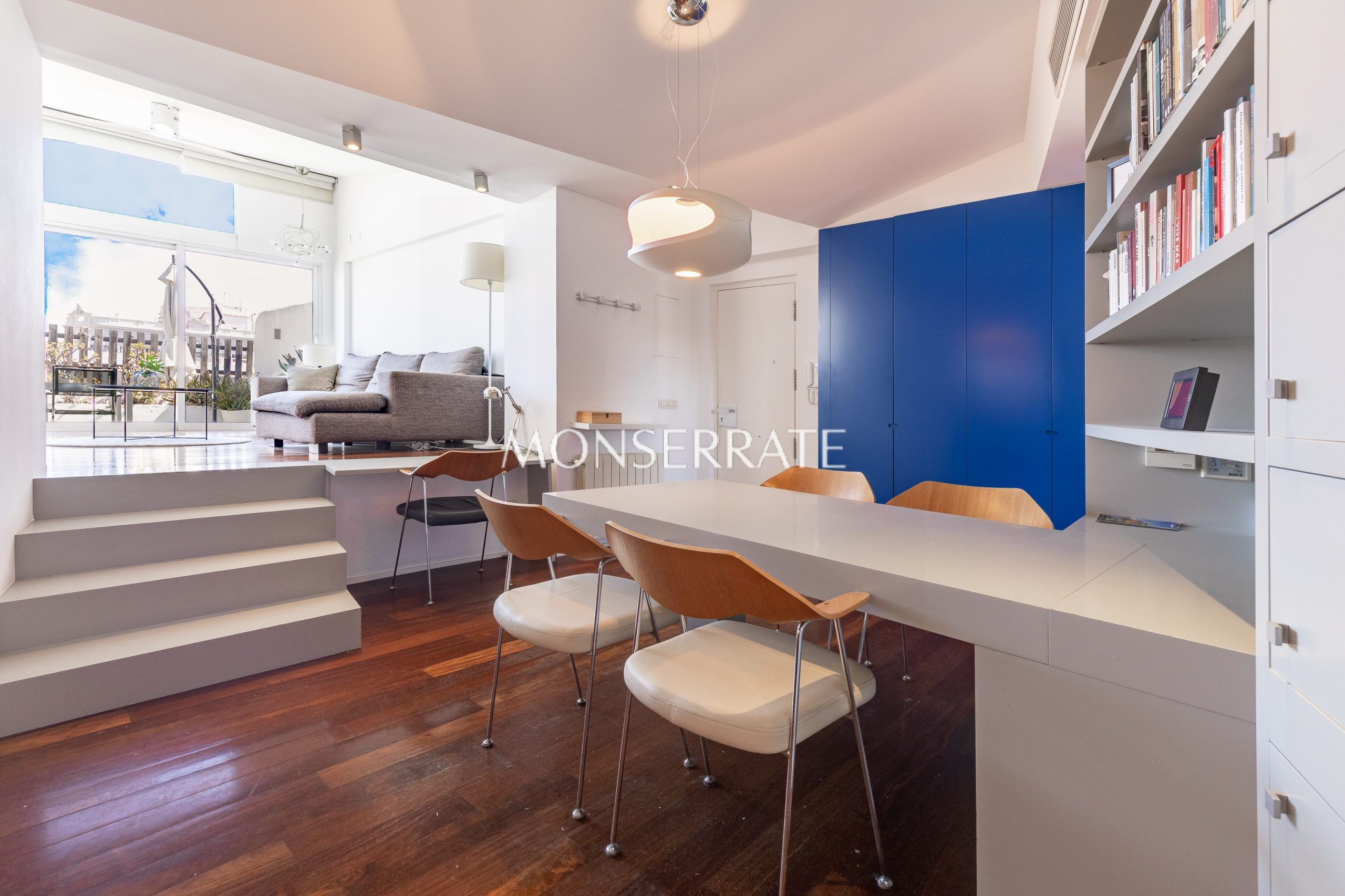
Magnificent Detached Villa with Private Pool in Alfinach
Valencia
A219
211 sqm House
4
3
Buy
568.000€
Designer Penthouse in Ruzafa
Valencia
V5359
62 sqm House
1
1

Buy
799.000€
Exclusive Designer Detached Home with Private Elevator
Valencia
V5350
394 sqm House
3
2

Rent
2.800€
Luxury Penthouse with Two Terraces & Jacuzzi
El Puig
A5407
192 sqm House
3
2

Buy
1.970.000€
Luxury Villa with Spacious Garden and Swimming Pool in Campolivar
Godella
V798
530 sqm House
4
3

Buy
2.500.000€
Outstanding Luxurious Villa with Spa in Los Monasterios
Puzol / Puçol
V169
840 sqm House
8
7

Buy
2.625.000€
Exclusive Luxury Villa Under Construction in Torre en Conill
Bétera
V908
422 sqm
6
5
Buy
799.000€
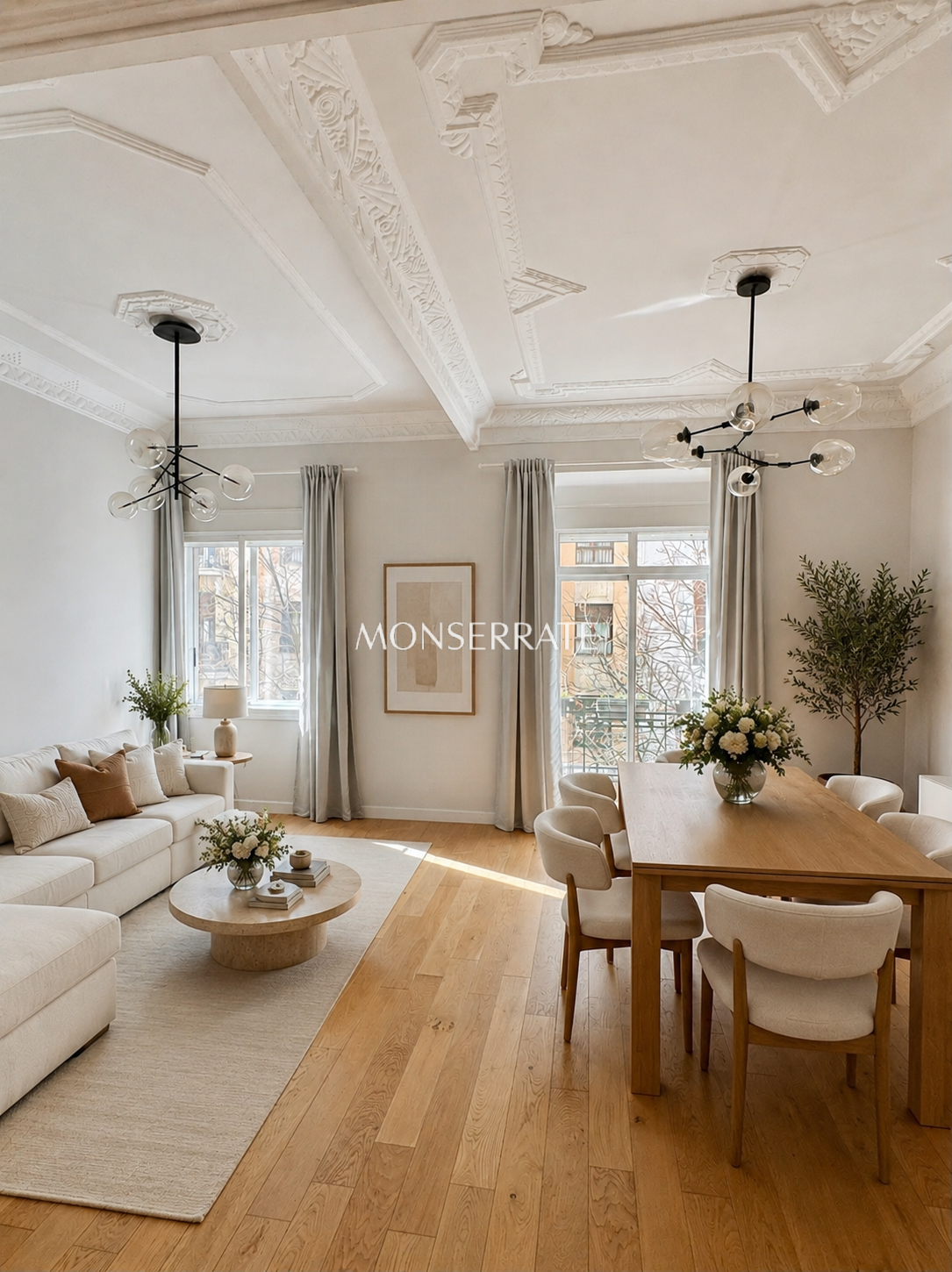
Renovated Apartment with balcony in Cánovas
Valencia
V5348
94 sqm House
2
2
Buy
1.400.000€
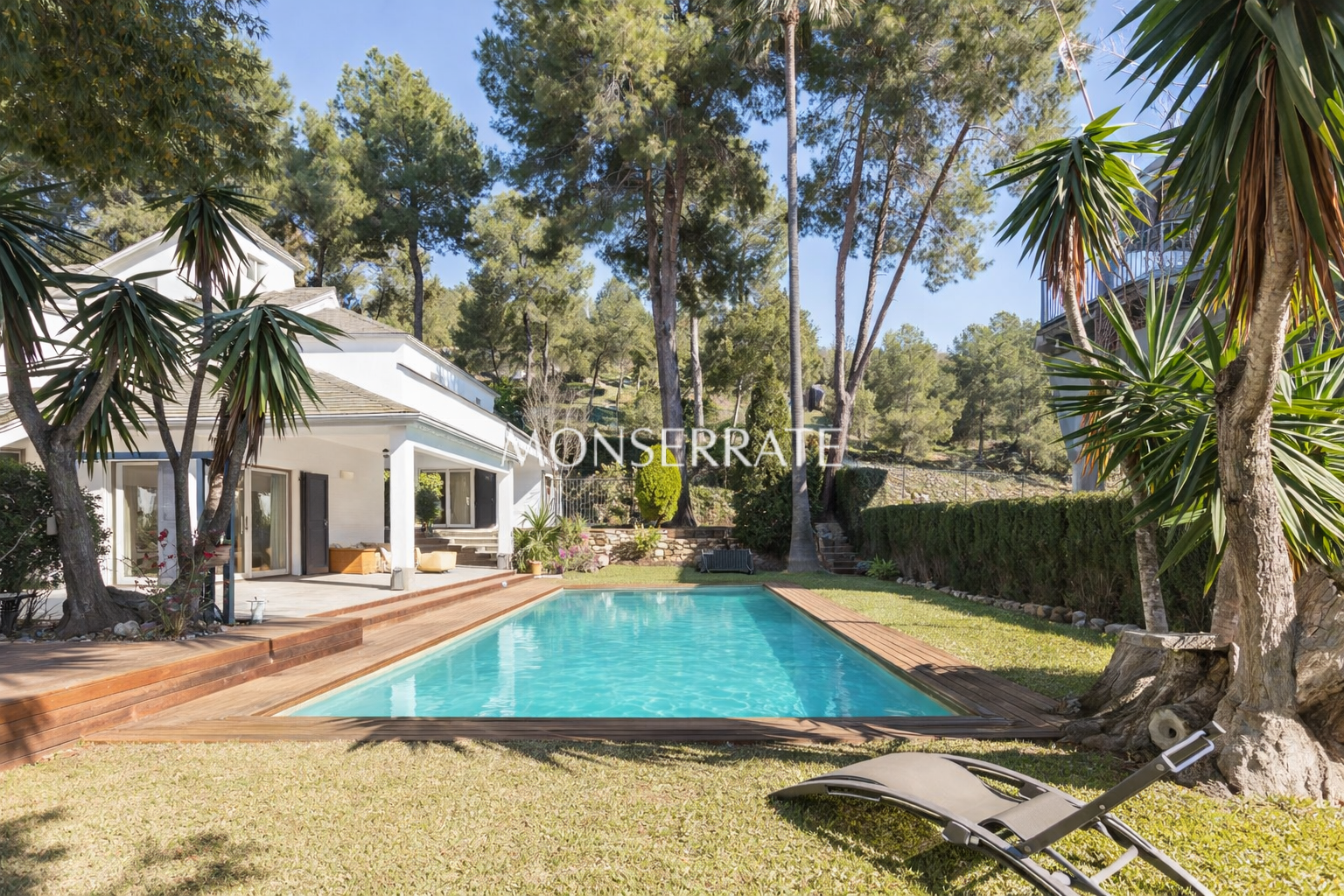
Luxury home for Sale in Los Monasterios
Puzol / Puçol
VA117
468 sqm House
5
4
Buy
895.000€
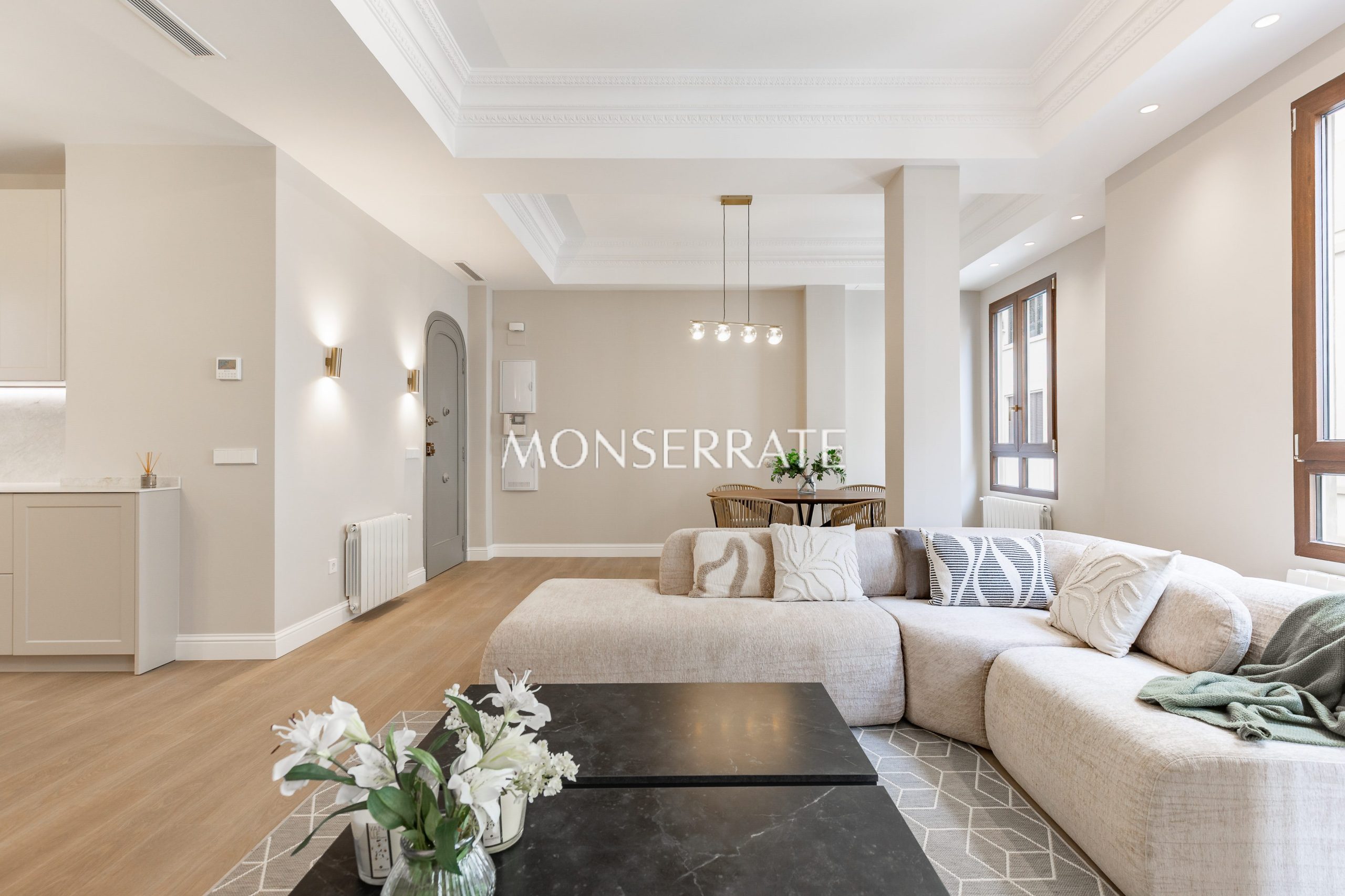
Exceptional Refurbished Residence in San Francesc
Valencia
V5365
153 sqm House
3
2

Buy
1.430.000€
Exceptional Renovated Residence in La Xerea
Valencia
V5347
211 sqm House
3
3

Buy
1.375.000€
Designer Apartment with Terrace in Mestalla
Valencia
V5331
229 sqm House
3
2

Buy
4.750.000€
Exclusive Luxury Estate in Vall d'Albaida
Fontanares
F112
750 sqm
9
6

Buy
6.600.000€
Outstanding private estate located between Valencia and Madrid
Garaballa, Cuenca
F108
1.200 sqm
9
10

Buy
580.000€
Country Estate on a 37,000 m² Estate in Fontanars dels Alforins, Ontinyent
Fontanares
F114
129 sqm
2
2
Buy
880.000€
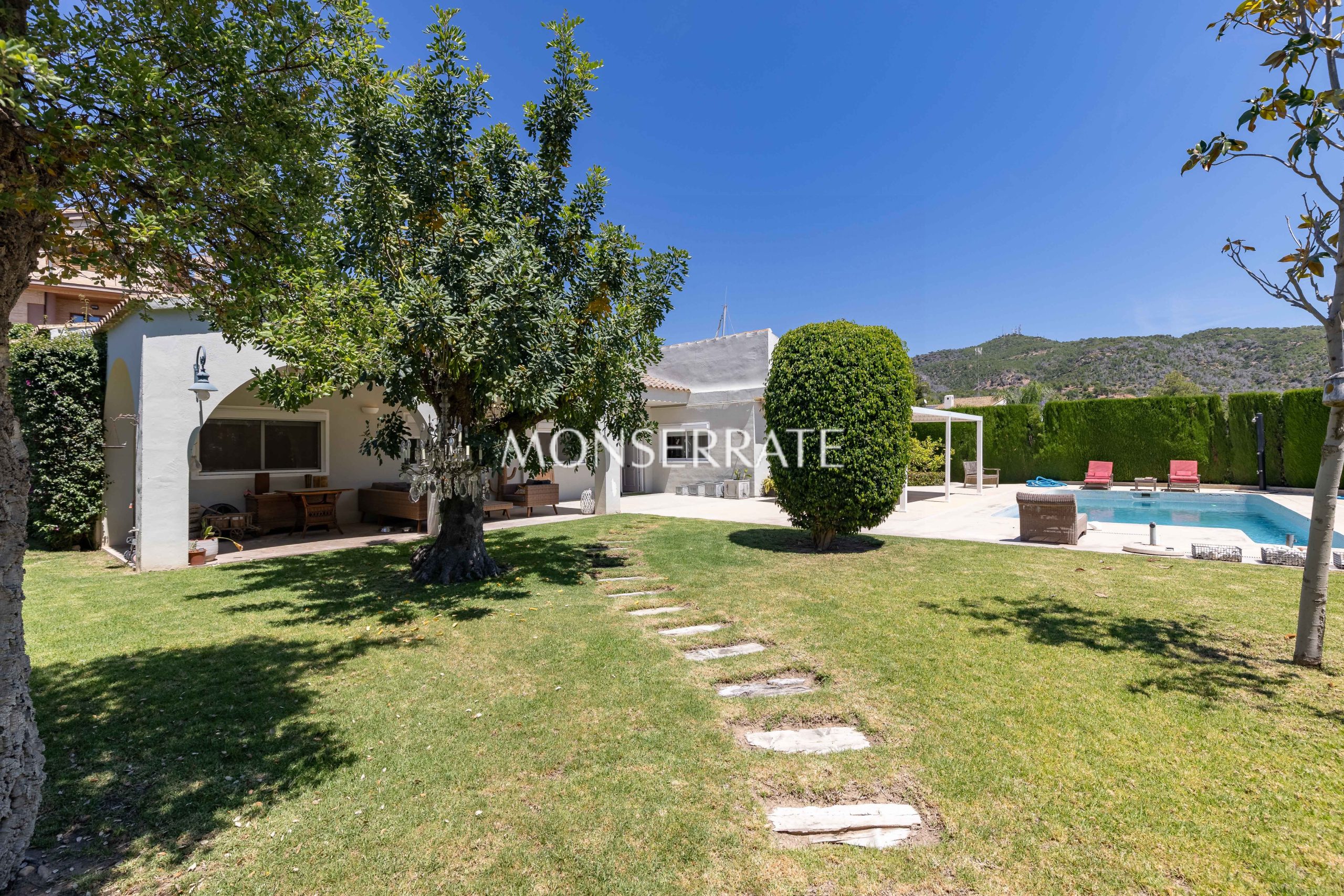
Luxury Detached Villa with Pool and Garden in Alfinach
Puzol / Puçol
V275
269 sqm House
3
2
Artículos Relacionados

How to Buy a Luxury Property in Spain and Ensure a Profitable Investment
June 30, 2026
Leer más
Living in Ruzafa: Art, gastronomy and a cosmopolitan vibe in Valencia’s coolest neighbourhood
September 15, 2026
Leer más

Where to live near the British School of Valencia: the best areas and luxury properties
August 31, 2026
Leer más

Alfinach: Luxury that doesn’t need to announce itself
September 15, 2026
Leer más

Valencia for Luxury Digital Nomads: Why International Professionals Choose This City
August 28, 2026
Leer más

Pla del Real, Valencia: the neighbourhood where people who choose well end up living
August 31, 2026
Leer más

Living in Godella, Valencia: for families looking for tranquillity and luxury
September 28, 2026
Leer más

How much is your luxury property in Valencia worth?
September 28, 2026
Leer más

What is the best orientation for a house? A guide for prospective buyers
July 1, 2026
Leer más

Buying a second home in Spain as a non-resident: steps, taxes and requirements
August 31, 2026
Leer más

