

Buying a second home in Spain as a non-resident: steps, taxes and requirements
31 August 2026
Having a home in Spain to return to during the holidays, spend longer periods with family, or enjoy the Mediterranean for part of the year is an increasingly common project among international buyers.
The good news is that you don’t need to be a tax resident in Spain to buy a second home. The process is relatively straightforward, but there are some formalities worth preparing in advance, along with certain tax obligations you should know about as a future owner.
If Valencia is the chosen destination, it’s also worth looking beyond the property itself: proximity to the sea, safety, connections to the city, or the amenities of a residential development can end up mattering just as much as the size of the home.
This guide explains how to buy a second home in Spain as a non-resident, from the NIE number and taxes through to choosing the right area.
⌛ A quick summary of everything covered in this article:
Buying a second home in Spain as a non-resident is entirely possible, and the process is more straightforward than it might seem.
In this guide, you’ll find everything you need to know: the initial requirements such as the NIE number and a Spanish bank account, the seven steps of the buying process, the tax implications both at the time of purchase and in the years that follow, and the services Monserrate offers international buyers from first contact through to settling in Valencia.
Can a non-resident buy a second home in Spain?
Yes. There’s no need to hold legal or tax residency in Spain to purchase a property. A foreign citizen can buy a flat, penthouse or villa and use it as a second home.
It’s also worth clarifying that purchasing a property doesn’t automatically make the owner a Spanish tax resident, nor does it by itself grant a permit to live permanently in the country.
That’s why, when we talk about a second home in Spain for a non-resident, we’re referring to owners who maintain their habitual and tax residence in another country and use their Spanish property during certain periods of the year.
This distinction has a particular effect on the tax treatment that follows.
A home to live in, not necessarily an investment
The question an international buyer looking for a second home should ask is different from that of an investor.
Here we’re not simply calculating returns. What matters is thinking through how the property will actually be used: family holidays, winter stays, working remotely for several months, or even a future move to Spain.
If you’re approaching the purchase from an investment perspective, you can find more detail in our guide on → how to buy property in Spain as a foreigner, where we look specifically at the investor profile.
Requirements for buying a second home in Spain as a foreigner
The requirements for buying a second home in Spain are relatively straightforward, but it’s worth preparing them before you find the property.
With premium properties, where deals can move quickly, arriving with your documentation ready avoids unnecessary delays.
Getting the NIE number
If you’re thinking about buying a home in Spain, there’s one formality worth sorting out in advance: applying for the NIE (Foreigner’s Identification Number).
This will be your identification number in Spain, and you’ll need it to complete the purchase and carry out much of the property-related paperwork, such as paying taxes or setting up utilities.
The NIE for buying property in Spain is processed in person at the National Police, usually by appointment, at the offices designated for foreigners’ documentation.
You can also apply for it through the Spanish Consular Office that covers your place of residence.
In addition, if you’d rather not travel specifically to carry out certain procedures, you can consider granting power of attorney to a representative in Spain to act on your behalf.
Our advice? Don’t wait until you’ve found the house you want to start this process. Applying for the NIE in advance means you can reach the reservation and purchase stage with part of the paperwork already sorted.
Opening a Spanish bank account: highly recommended
Opening a bank account in Spain simplifies many of the procedures that follow: paying taxes, community fees, utilities, insurance or maintenance costs.
In a property purchase, payments must be properly identified and documented in line with anti-money laundering regulations, and operating from a Spanish account makes traceability and banking documentation much simpler.
To open an account for non-resident clients, banks generally ask for a passport, the NIE, proof of address in your country of residence and, depending on the bank and the transaction, information showing the source of funds.
One practical tip: if you’re planning to travel to Valencia to view properties, you can use that trip to open the account at the same time.
The buying process, step by step
Once you have the NIE number and your finances in order, it’s time for the purchase itself.
Although it might seem complex from the outside, the steps for buying a home in Spain are fairly straightforward. What matters is understanding what happens at each stage, what you’ll need to do as a buyer, and what’s worth checking before moving forward.
| Step | What happens | What to keep in mind |
| 1. Choose the property | You visit properties that match what you’re looking for and compare location, features, condition, and price. | If it’s a second home, also think about what daily life will be like when you’re in Valencia: security, privacy, maintenance, distance to the airport, beach, schools or nearby amenities. |
| 2. Make an offer | Once you find the right property, you submit a proposal to the owner with the price and main purchase conditions. | Before committing, it’s worth having clarity on your financing and the funds available to complete the transaction. |
| 3. Review the property and its documentation | This confirms who the owner is, whether there are any charges or debts, and the property’s legal and planning status. | This check should be done before taking on any financial commitments. For premium properties, it’s also worth reviewing technical aspects of the property. |
| 4. Sign the deposit contract (contrato de arras) | Buyer and seller formalise their commitment and set out in writing the price, timeframes and conditions of the sale. | A deposit is usually paid towards the price, often around 10%, though this depends on what’s agreed in each transaction. It’s important to understand what happens to that amount if either party ultimately doesn’t complete the sale. |
| 5. Prepare for completion | In the weeks beforehand, the documentation, transfer of funds and, if there’s a mortgage, the arrangement with the bank are all coordinated. | If you live outside Spain, much of this can be arranged remotely. Power of attorney can also be granted for certain procedures. |
| 6. Sign before a notary | The public deed of sale is signed and the outstanding payment is made as agreed. | This is when the purchase is formalised, and you’ll usually receive the keys to your new home. |
| 7. Pay taxes and register the property | After signing, the relevant taxes must be settled and the deed submitted for registration at the Land Registry. | These steps are usually handled with professional help to ensure the property is correctly registered under the new owner’s name. |
If you’d like to know more about this, we recommend this article → Deposit for purchase agreement: advice for buyers when signing
Tax treatment of a second home for non-residents
The tax treatment of a second home for non-residents falls into two distinct stages: the taxes and costs associated with the purchase and the obligations that arise afterwards from owning a property in Spain.
Taxes at the time of purchase
The first thing to establish is whether the property is new-build or resale, as the tax treatment differs.
If you buy a resale property in the Comunitat Valenciana, you’ll need to pay Transfer Tax (ITP). As of 1 June 2026, the general rate is 9%, rising to 11% for higher-value transactions above one million euros.
If it’s a new-build property bought directly from the developer, the purchase is generally subject to 10% VAT, plus a further 1.5% Stamp Duty (AJD).
On top of these taxes, there are other costs linked to the transaction, such as notary fees, Land Registry fees, legal advice, administrative services (gestoría) or valuation, the latter especially relevant if you’re financing the purchase with a mortgage.
We recommend reading → How much does a property valuation cost, and how is the value calculated?
For this reason, before making an offer on a property, it’s worth working out the total cost of the transaction, not just its sale price.
Annual tax obligations after the purchase
Once you receive the keys to your new home, as the owner of a second home in Spain as a non-resident, you’ll need to meet certain obligations.
One of these is IBI (Property Tax), a local tax paid annually by the property owner.
On top of this comes an obligation that many international buyers aren’t aware of: Non-Resident Income Tax (IRNR).
- If you don’t rent out the property and instead use it for your own purposes or leave it empty: the Spanish Tax Agency considers that you obtain a benefit simply from owning it and assigns you a notional annual income, even though you aren’t actually receiving any.
Generally, the taxable base is 1.1% of the cadastral value (2% if the cadastral value hasn’t been reviewed in the last 10 years).
The applicable IRNR rate is then applied to that amount. Form 210 can be filed at any point during the calendar year following the tax year being declared.
- If, on the other hand, you decide to rent out the property for certain periods, the income earned will be subject to IRNR, with the rate depending on your country of tax residence:
- 19%: residents of the European Union, Iceland, Norway and Liechtenstein.
- 24%: residents of all other countries.
Especially for high-value properties, it’s worth reviewing the tax treatment of a second home for non-residents in detail.
You may also be interested in → Taxes for Non-Residents on the Sale of a Property in Spain: Everything You Need to Know
Buying a second home in Spain from anywhere in the world
Wherever you’re buying from, we’re ready to support you through the whole process.
At Monserrate, we work with buyers of any nationality, including those from outside the EU, and we handle the full visa process so the transaction can move forward smoothly from the very first moment.
Our legal, tax and property infrastructure is designed precisely for this: so that distance or red tape are never an obstacle to finding and buying the property you’re looking for in Spain.
From the NIE number through to coordinating with tax advisors who specialise in non-residents, every step is covered. And if you need references, our portfolio of international clients speaks for itself.
A welcome service: helping you settle into Valencia from day one
Buying the house is a milestone, but truly settling into a new city comes with its own set of tasks. And if you’re arriving from abroad, every procedure can turn into an obstacle if you don’t know where to start.

That’s why at Monserrate we offer a welcome service for those relocating to Valencia: We make sure your arrival is as smooth as possible from day one.
Our legal department guides you through the essential administrative procedures: identity documents, the padrón (municipal registration certificate), and dealings with public authorities, so you don’t have to figure out the system on your own. And if you have school-age children, we also take care of enrolling them in the best international schools in the area.
The goal is simple: when you walk through the door of your new home in Valencia, the only thing left to do is start enjoying it.
Get in touch with us and we’ll explain how the service works for your particular situation.
Buying a second home in Spain with Monserrate
Finding a premium property is only part of the job. For an international buyer, the transaction needs to be handled with the same peace of mind as if they were in Valencia themselves.
That’s why, at Monserrate Inmobiliaria, we see support for international clients as a service that begins before the first viewing.
A search built around how you want to live
Before selecting properties, we need to understand how you picture your time in Valencia: whether you want to be close to the sea, whether your children will attend an international school, whether you play golf, whether you’d prefer year-round neighbours, or whether you’re after a particularly private plot.
And if you’re planning to spend several months a year here, it’s also worth considering everyday aspects such as local amenities or the possibilities of living and working remotely in Valencia. All of this helps narrow the search down to homes that genuinely fit your lifestyle.
Coordinating an international purchase
We support you through every stage of the transaction and coordinate the professionals involved in it.
From organising back-to-back viewings during a short stay to facilitating communication with lawyers, advisors, notaries or financial specialists, our aim is to stop distance from turning the purchase into a complicated process.
We know areas such as Los Monasterios, Alfinach, Santa Bárbara, Campolivar and Torre en Conill particularly well, along with Valencia’s premium residential market more broadly.
See our guide on → The best residential areas near Valencia
Our goal is to make buying a second home in Spain straightforward even when you live abroad and to help you find a home in Valencia that genuinely fits what you’re looking for.
Frequently asked questions
Can I buy a property in Spain without being a resident?
Yes. Foreigners can buy a property in Spain even if they maintain their habitual and tax residence in another country.
Do I need an NIE number to buy a property in Spain?
Yes. The NIE for buying property in Spain is required to complete the transaction and carry out various tax and administrative procedures related to the property.
The NIE is usually issued on the same day as your appointment; what can take several weeks is getting that appointment in the first place, especially during periods of high demand.
If you apply through the Spanish consulate in your country of residence, the process can take between 3 and 6 weeks. For this reason, if you’re planning to buy, it’s advisable to start the application at least 4-6 weeks in advance.
Do I have to pay tax in Spain even if I don’t rent out my second home?
Yes. In addition to IBI, non-resident owners are subject to IRNR, even if the property is for personal use or left empty. The Spanish Tax Agency assigns you a notional income simply for owning a home.
Can I buy a house in Spain without travelling to sign?
Yes. You can grant power of attorney to a representative in Spain to carry out, on your behalf, the actions covered by that power of attorney.
Write to us, and one of our premium home agents will get in touch with you.
Other properties
Rent
1.700€
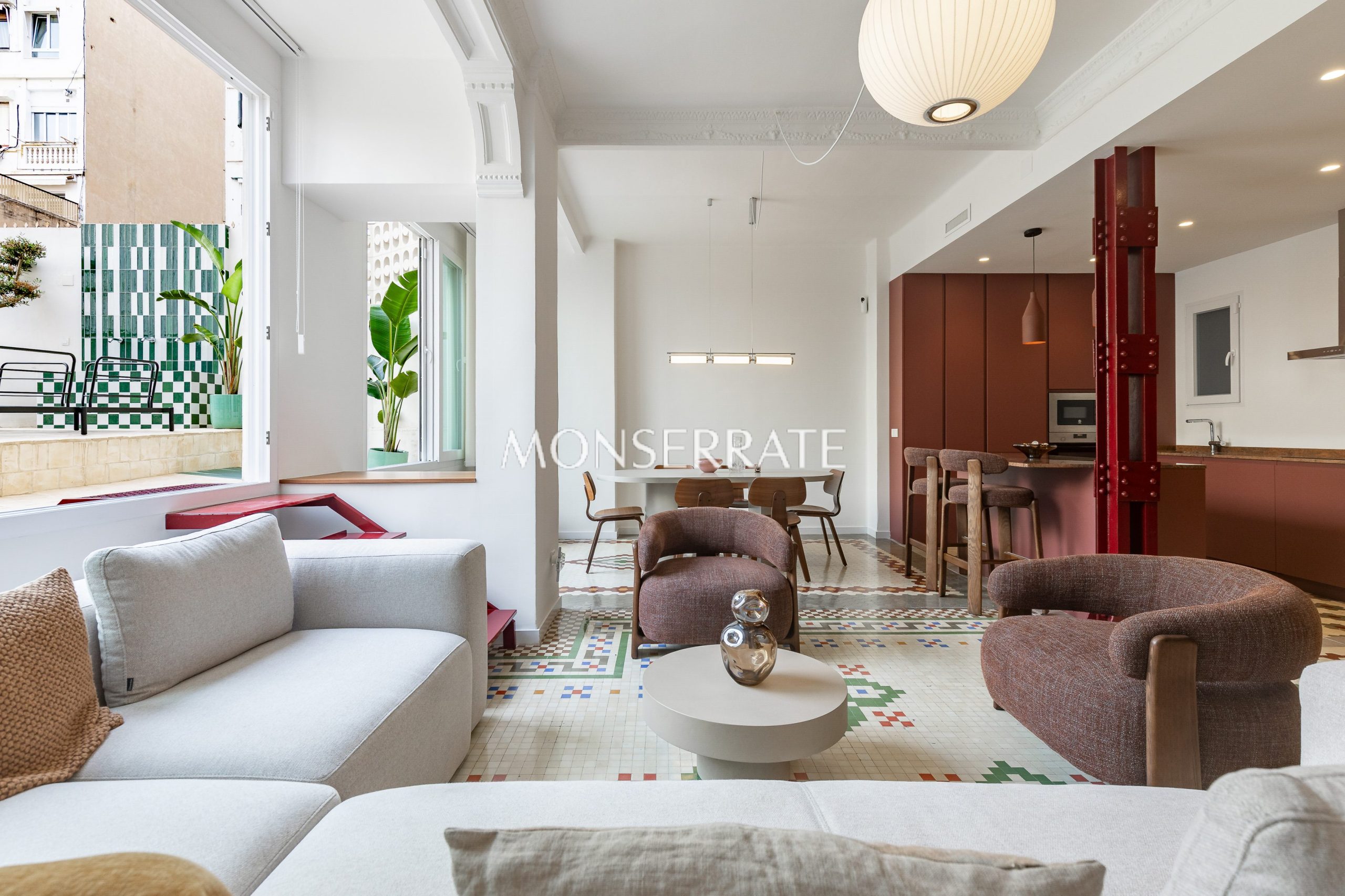
Apartment for Rent Overlooking the Turia Gardens

Valencia

A5244

121 sqm House

2

2
Buy
1.290.000€
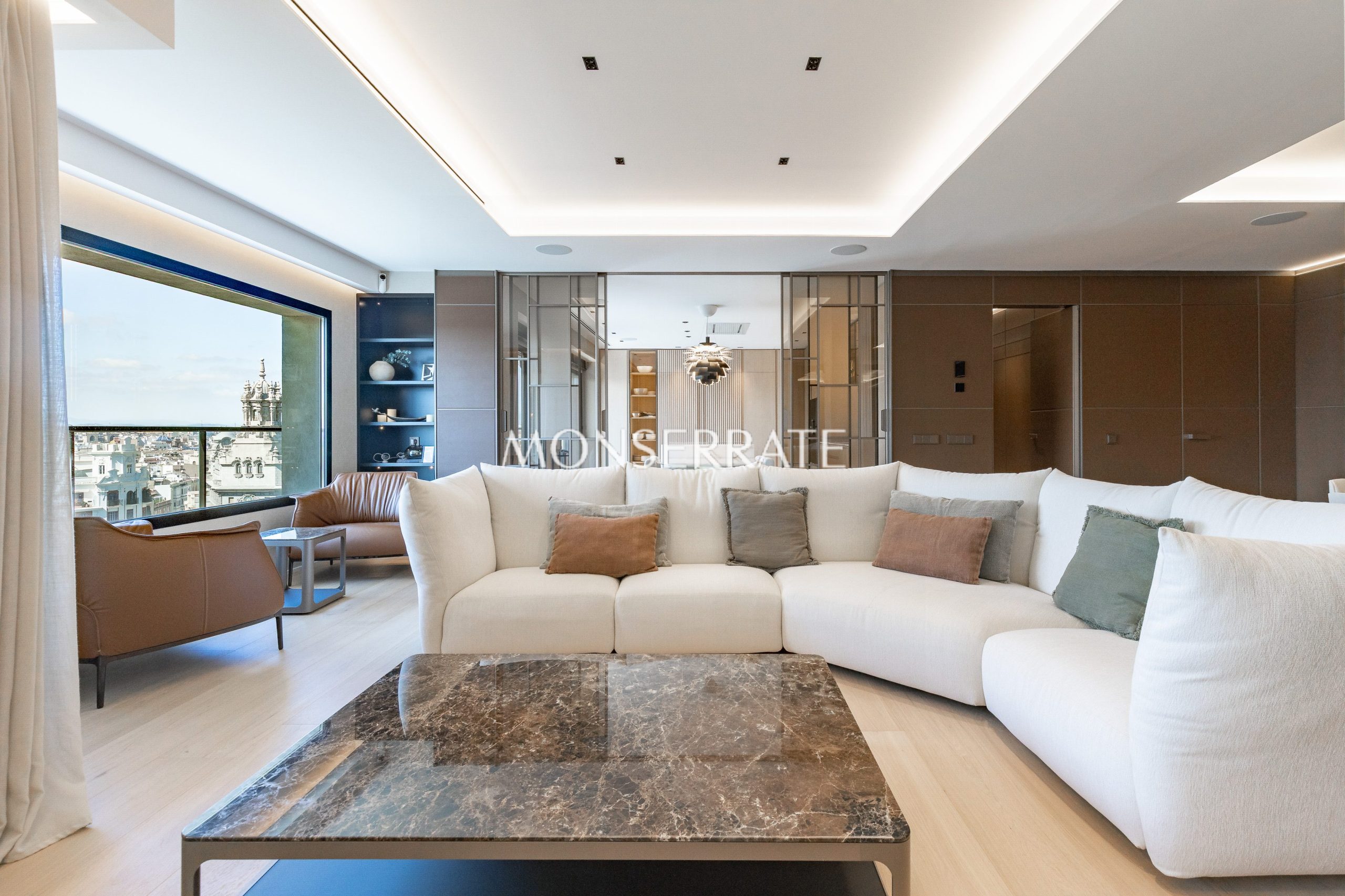
Very Attractive Flat with a Large Private Terrace in Valencia's Eixample's District
Valencia
V5367
230 sqm House
4
4
Rent
10.000€
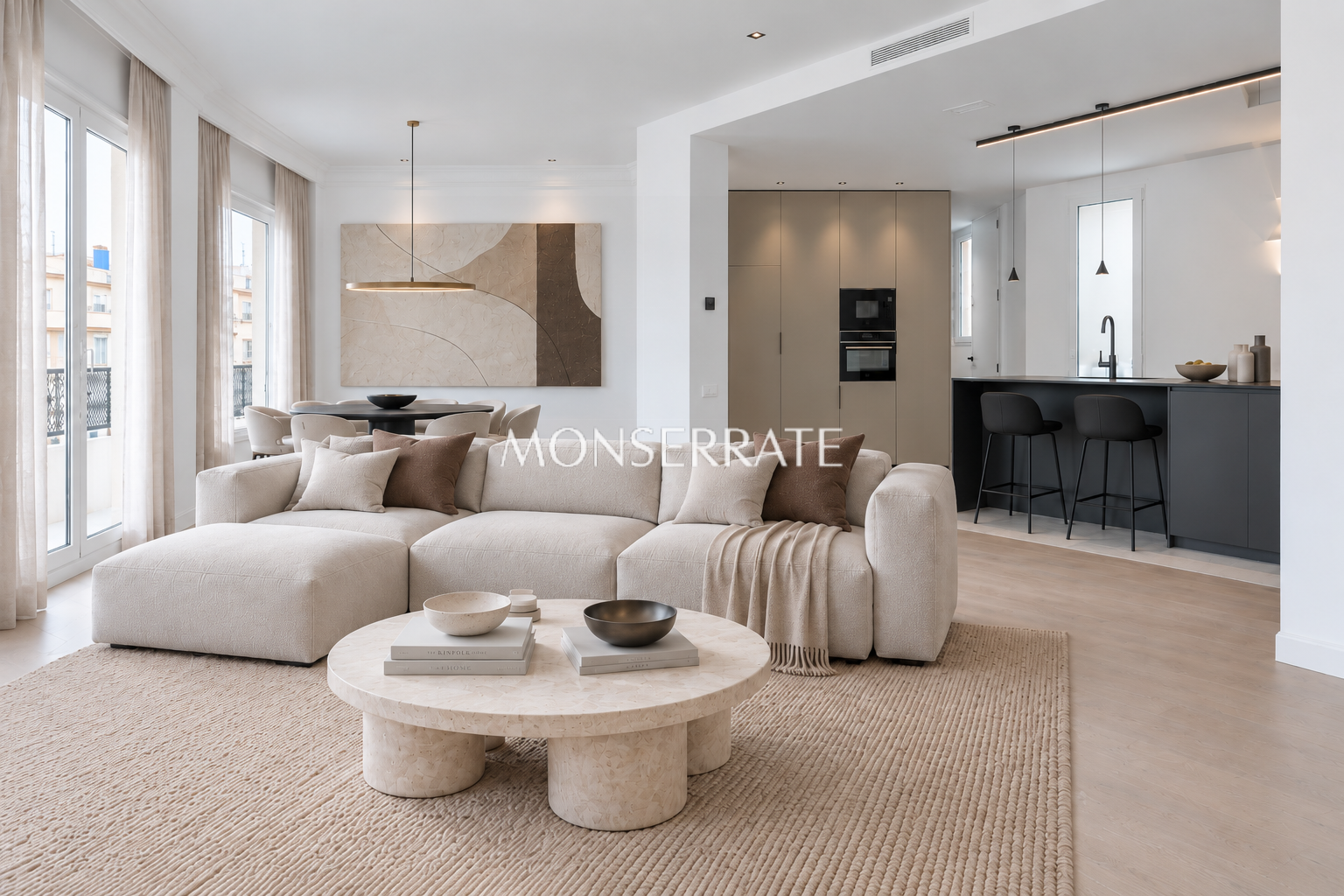
Elevated Elegance by Porta de la Mar
Valencia
V5284
246 sqm House
3
3
Buy
765.000€
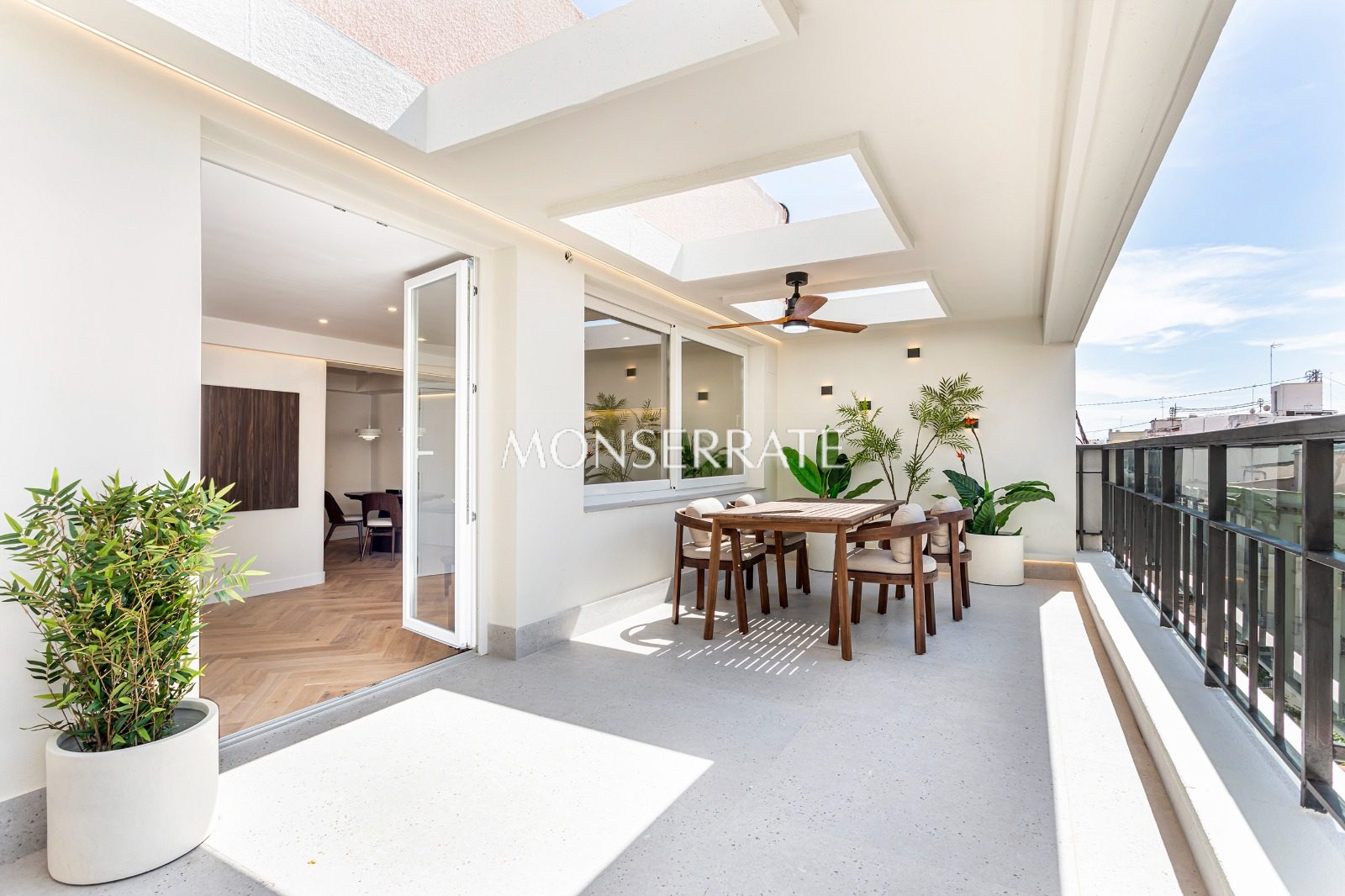
High Quality Refurbishment in L’Eixample, Ruzafa
Valencia
V5363
127 sqm House
3
2
Buy
1.800.000€
An Exceptional Penthouse in the Heart of Pla del Remei
Valencia
V5362
196 sqm House
3
3

Buy
2.900.000€
Historic Residence at San Francesc wit Gorgeous Location and Views
Valencia
V5335
400 sqm House
5
4
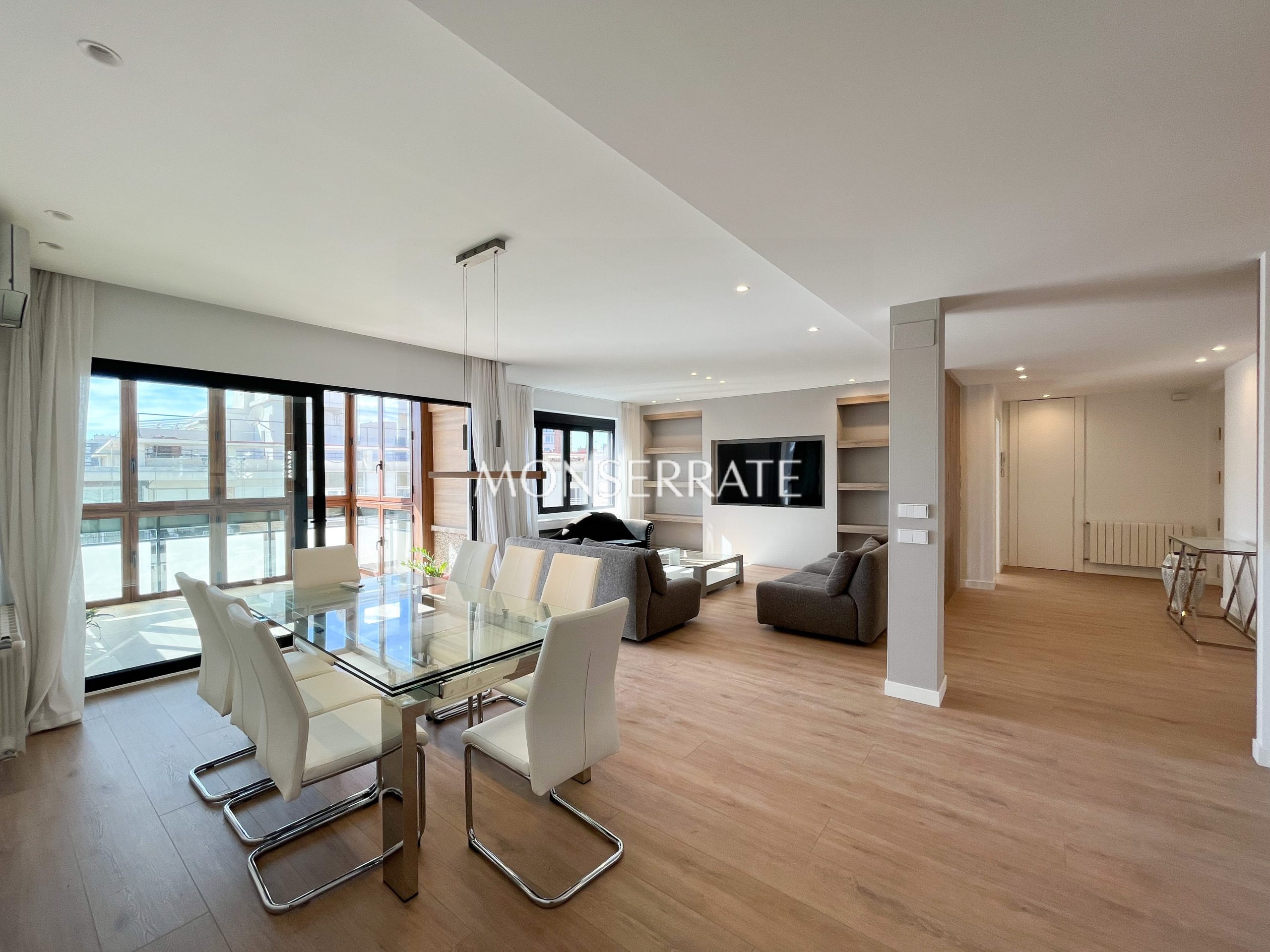
Rent
3.900€
Elegant and spacious renovated apartment in Jaime Roig, next to the German School
Valencia
A5282
240 sqm House
4
3

Buy
1.380.000€
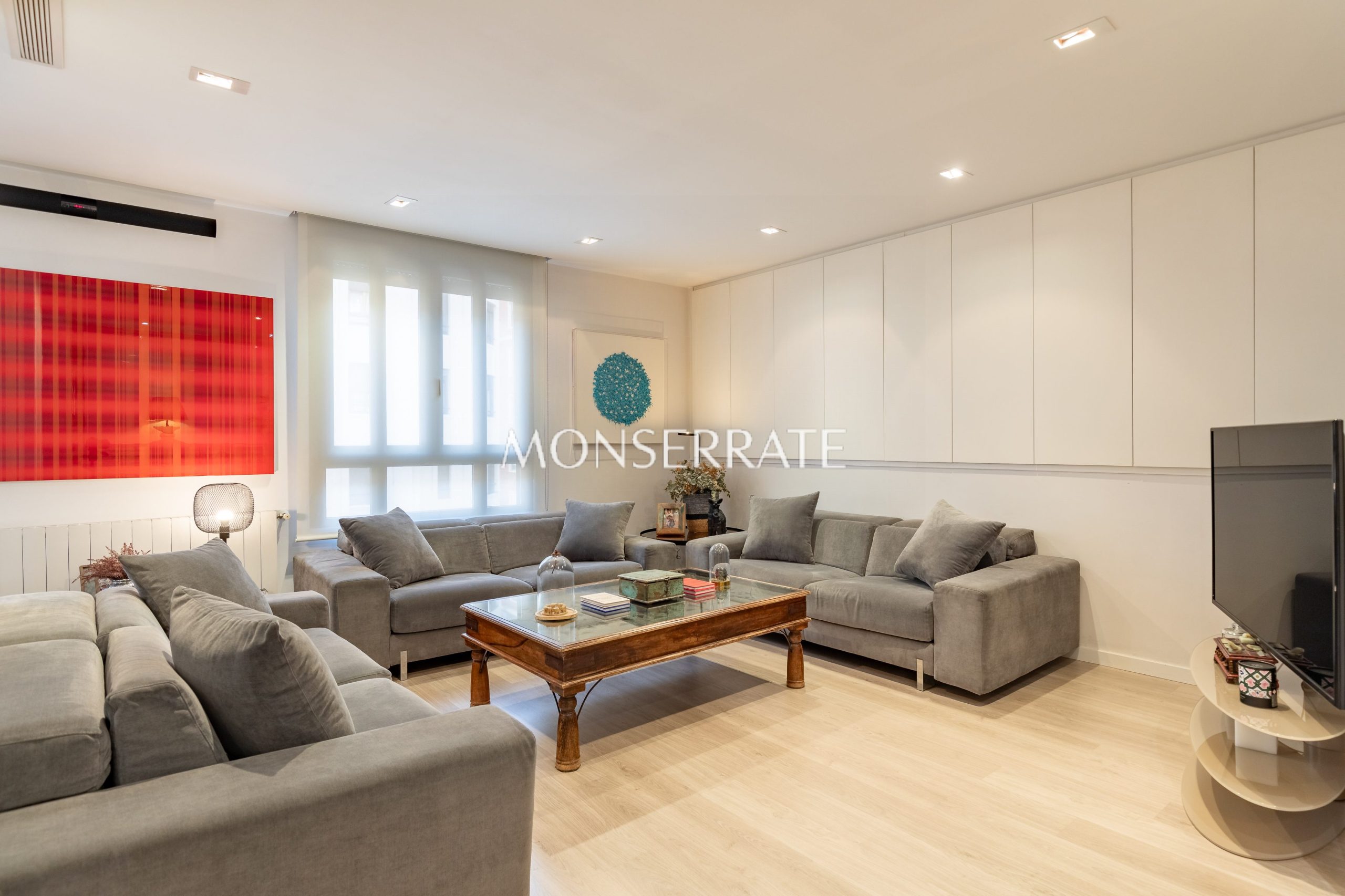
High-end newly renovated property in Gran Vía
Valencia
V5328
168 sqm House
4
4
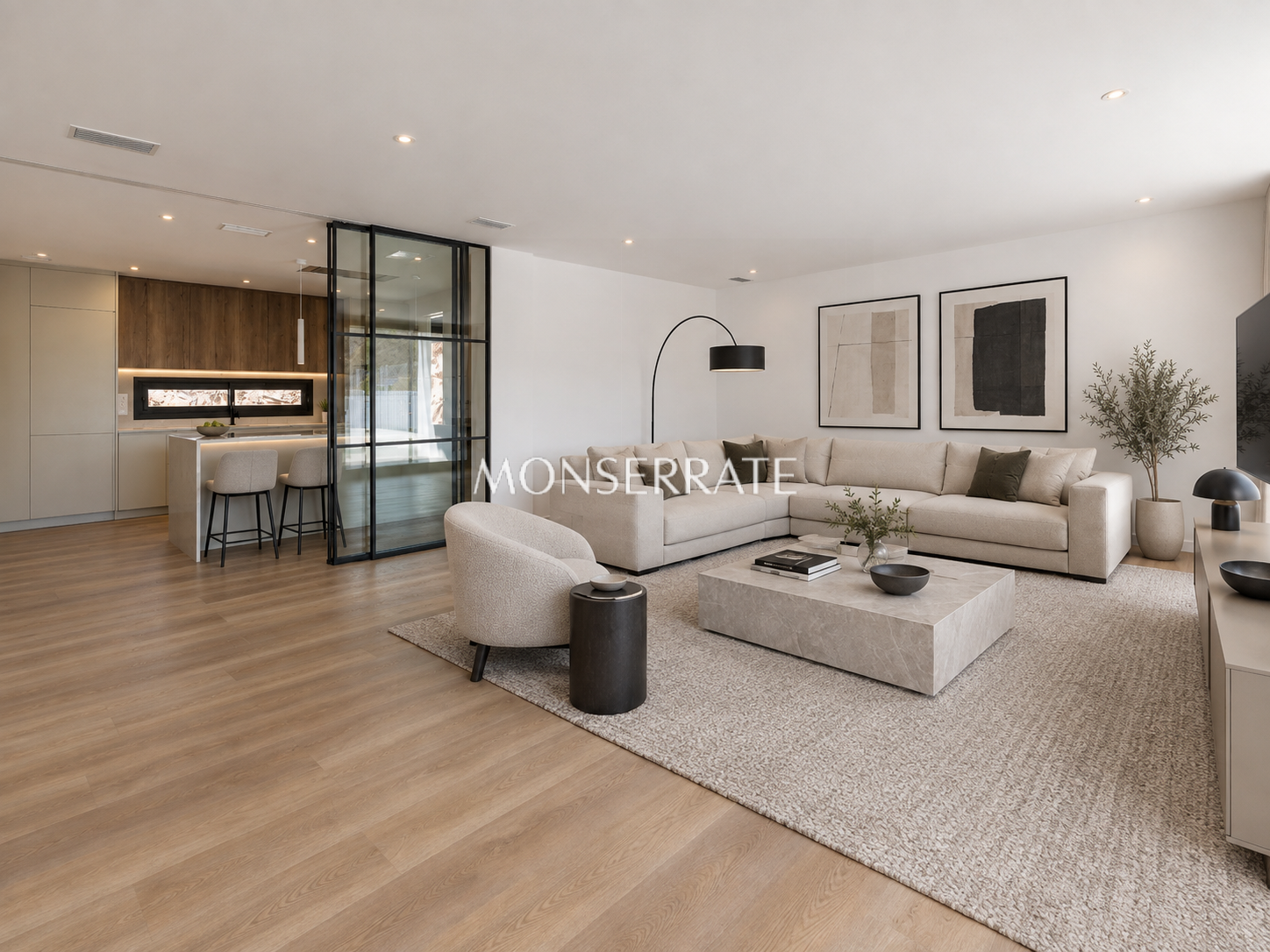
Rent
3.000€
Fabulous furnished property for rent next to the central market
Valencia
A5346
182 sqm House
4
3
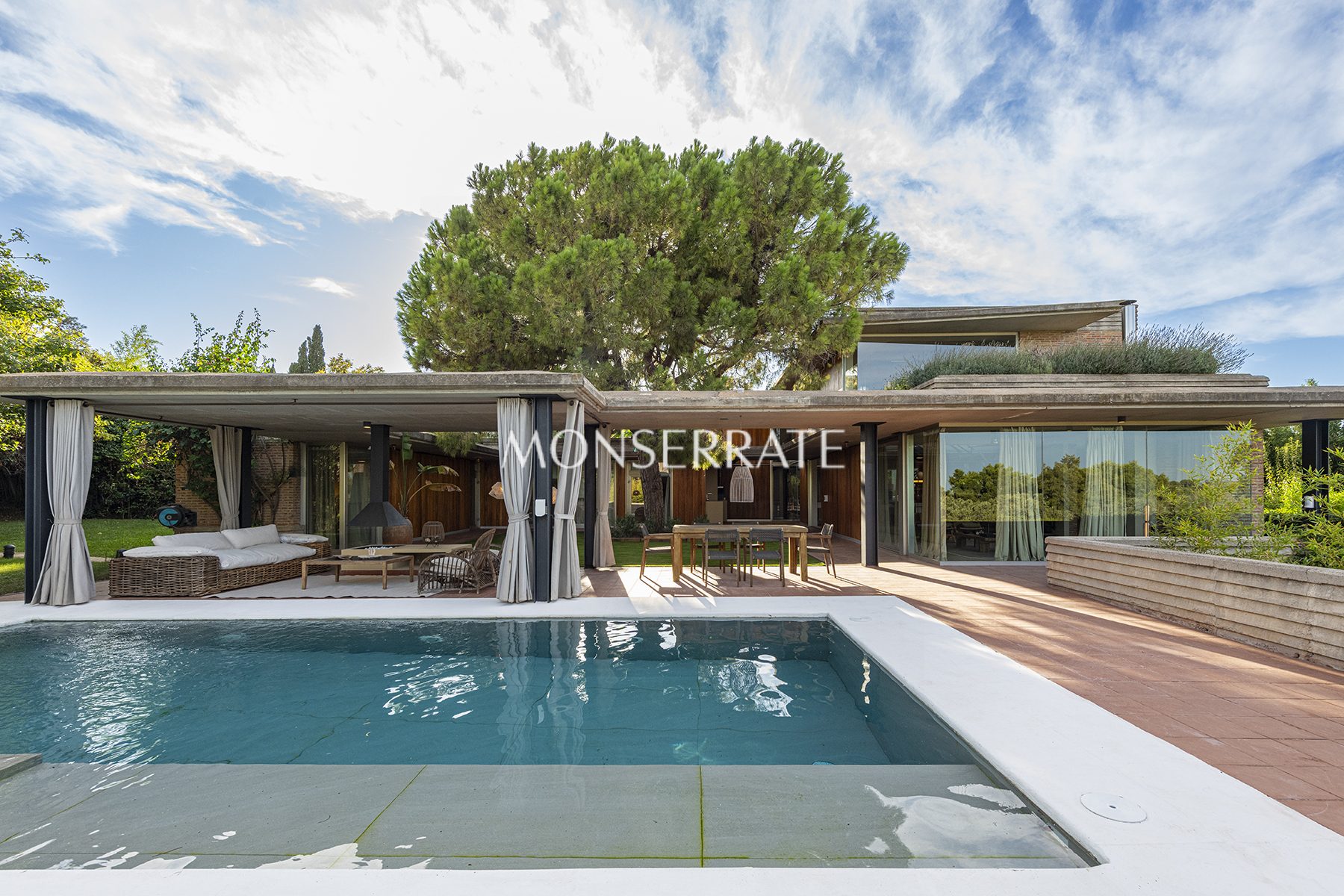
Rent, Buy
12.000€, 1.950.000€
Exclusive contemporary chalet overlooking the golf course in Torre en Conill
Valencia
A744
510 sqm House
5
5
Buy
895.000€
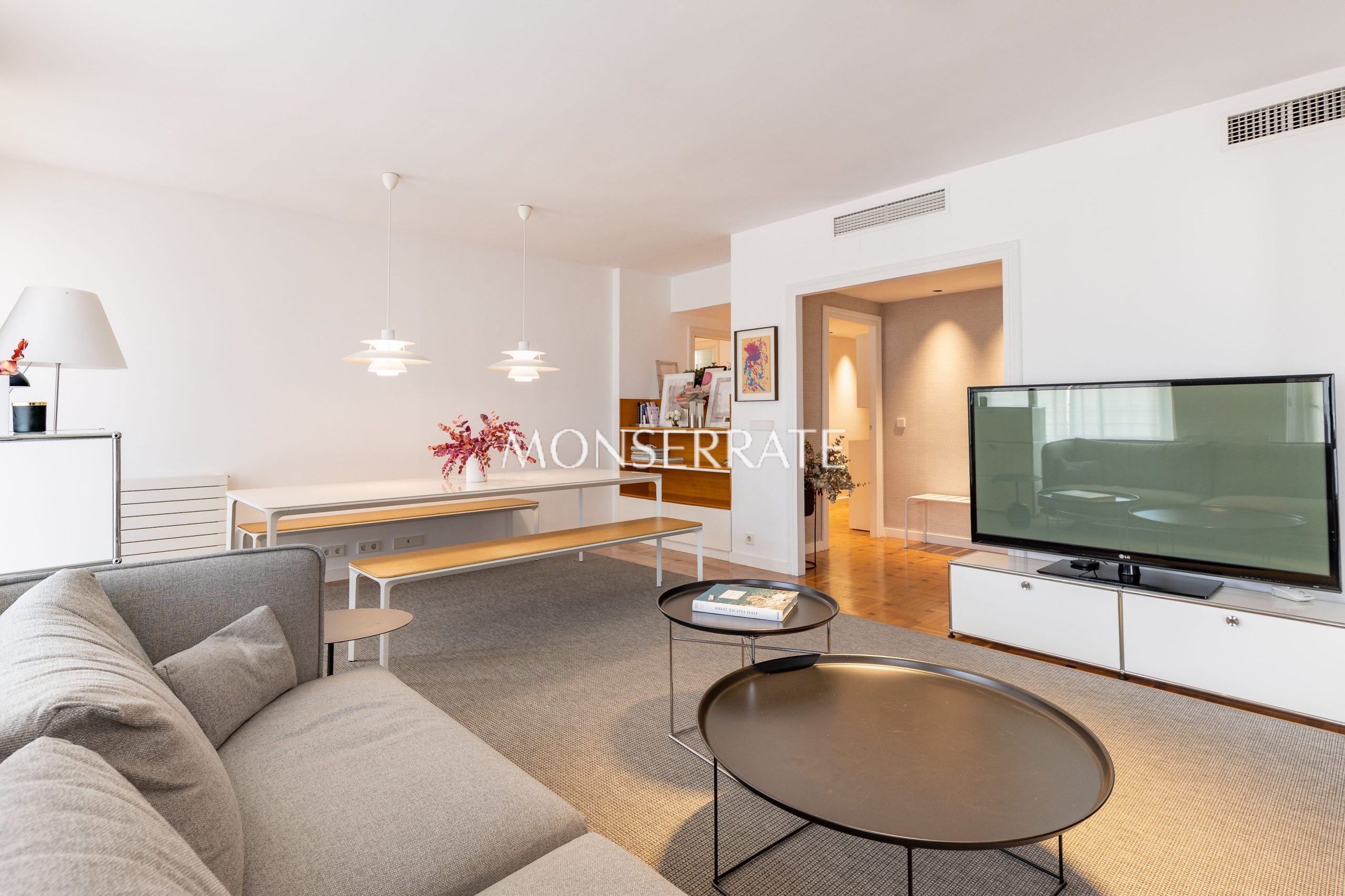
Great New Built Villa in Alfinach
Puzol / Puçol
V276
200 sqm House
4
3
Buy
1.200.000€
Spacious Apartment with Terrace and Garage in Jaume Roig
Valencia
V5361
204 sqm House
4
3

Rent
2.750€
Exclusive Apartment at Monasterios Residences I
Sagunto / Sagunt
A137
145 sqm
2
2

Rent
3.300€
Spectacular designer home for rent in the heart of Valencia’s Ensanche district
Valencia
A5418
156 sqm House
3
2

Rent
3.600€
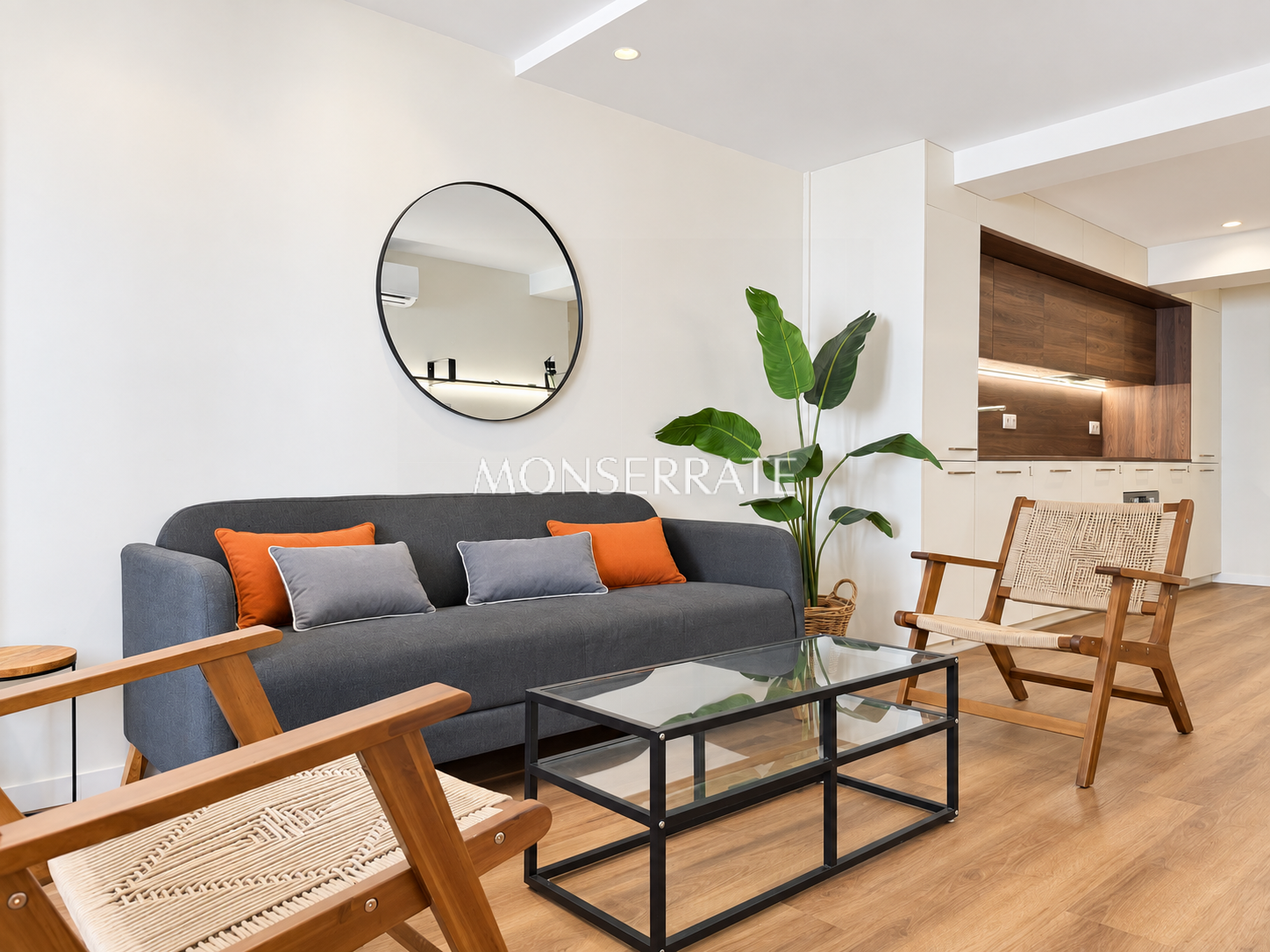
Exclusive Bungalow for Rent in Los Monasterios
Sagunto / Sagunt
A136
150 sqm House
3
4
Rent
2.400€
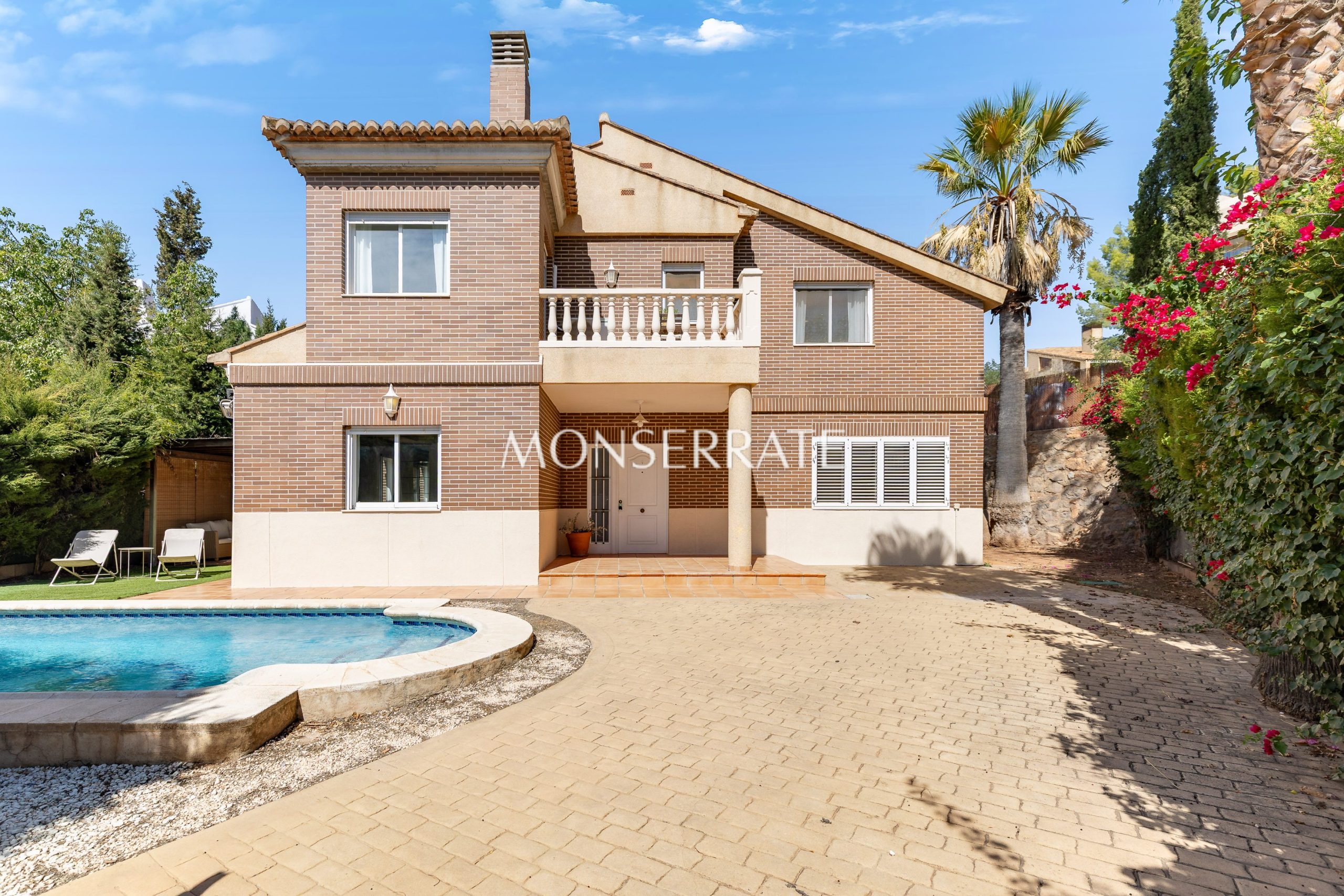
Designer Mid-Term Rental Apartments in La Xerea
Valencia
A5423
112 sqm House
3
2
Rent
3.600€
Magnificent Detached Villa with Private Pool in Alfinach
Valencia
A219
211 sqm House
4
3

Buy
799.000€
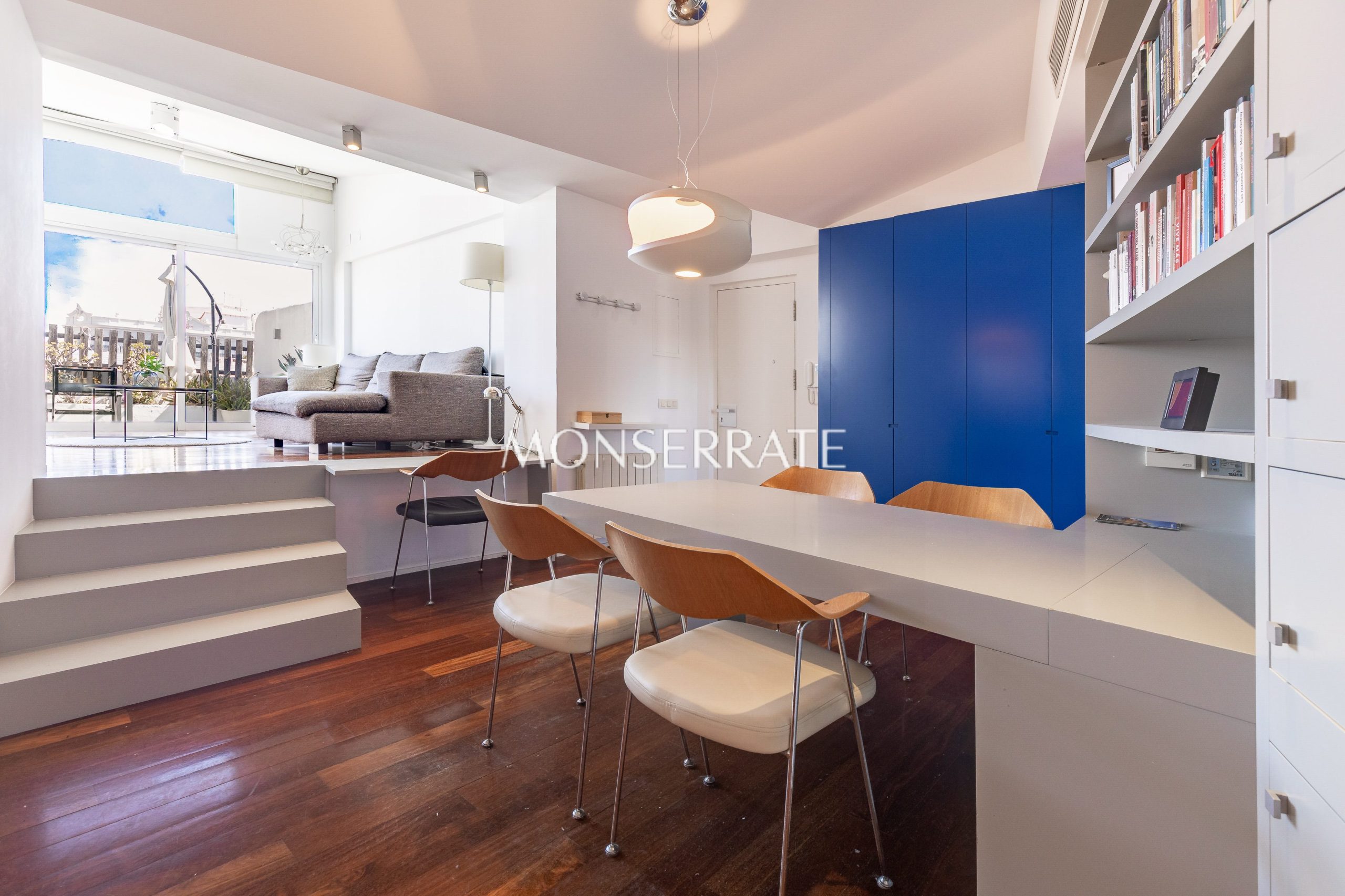
Exclusive Designer Detached Home with Private Elevator
Valencia
V5350
394 sqm House
3
2
Buy
568.000€
Designer Penthouse in Ruzafa
Valencia
V5359
62 sqm House
1
1

Rent
2.800€
Luxury Penthouse with Two Terraces & Jacuzzi
El Puig
A5407
192 sqm House
3
2

Buy
1.970.000€
Luxury Villa with Spacious Garden and Swimming Pool in Campolivar
Godella
V798
530 sqm House
4
3

Buy
2.500.000€
Outstanding Luxurious Villa with Spa in Los Monasterios
Puzol / Puçol
V169
840 sqm House
8
7

Buy
2.625.000€
Exclusive Luxury Villa Under Construction in Torre en Conill
Bétera
V908
422 sqm
6
5
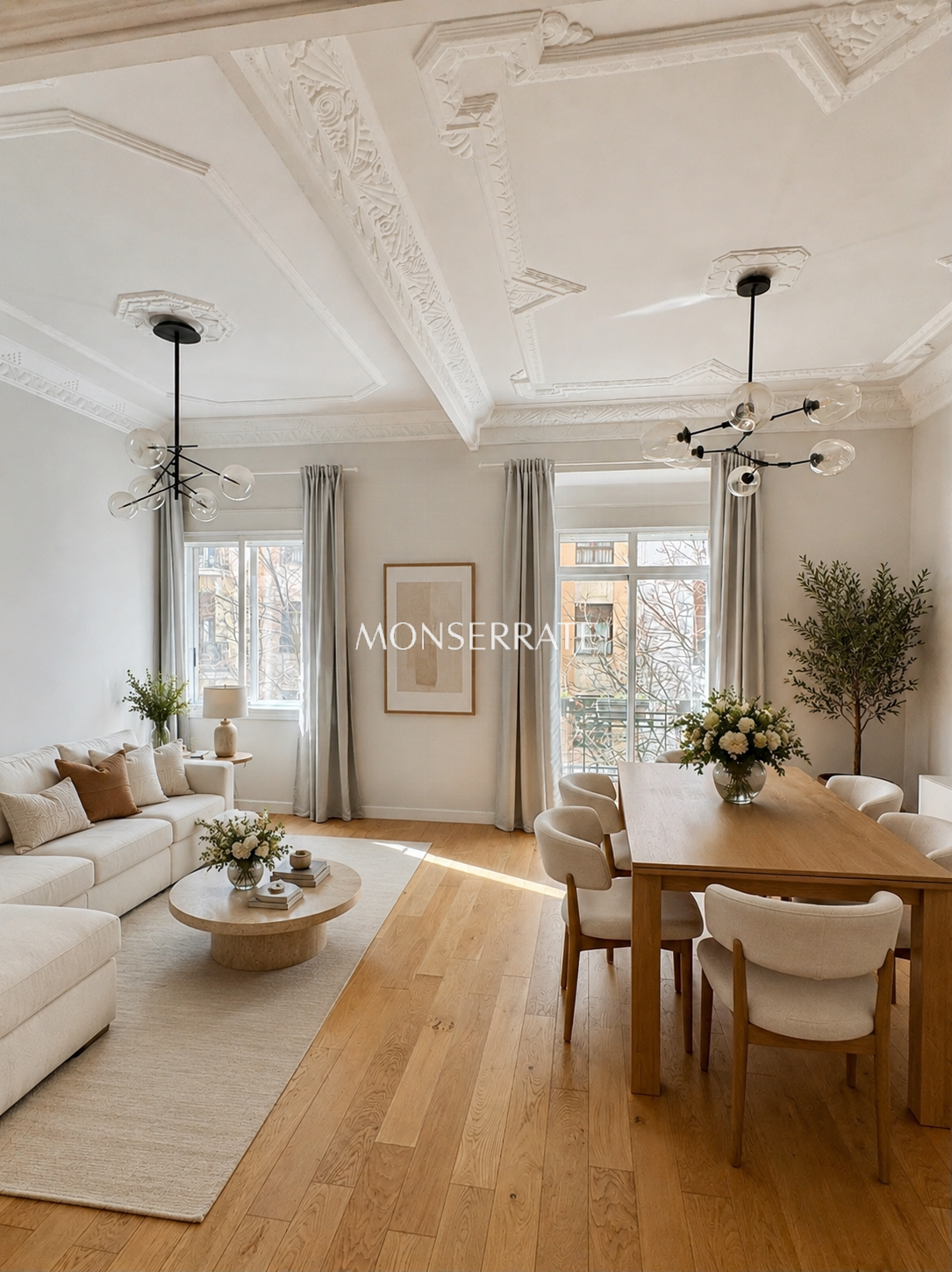
Buy
799.000€
Renovated Apartment with balcony in Cánovas
Valencia
V5348
94 sqm House
2
2
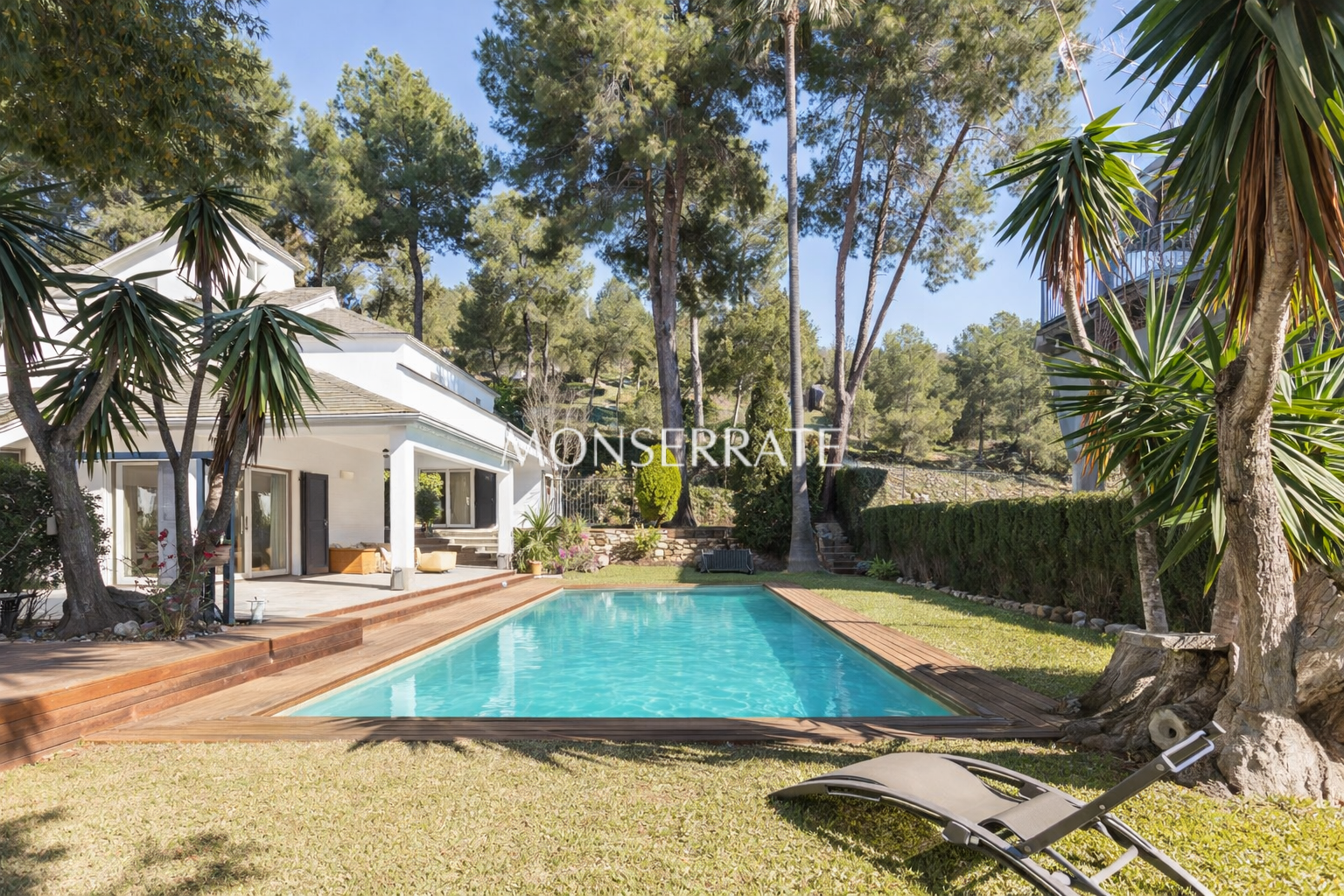
Buy
1.400.000€
Luxury home for Sale in Los Monasterios
Puzol / Puçol
VA117
468 sqm House
5
4
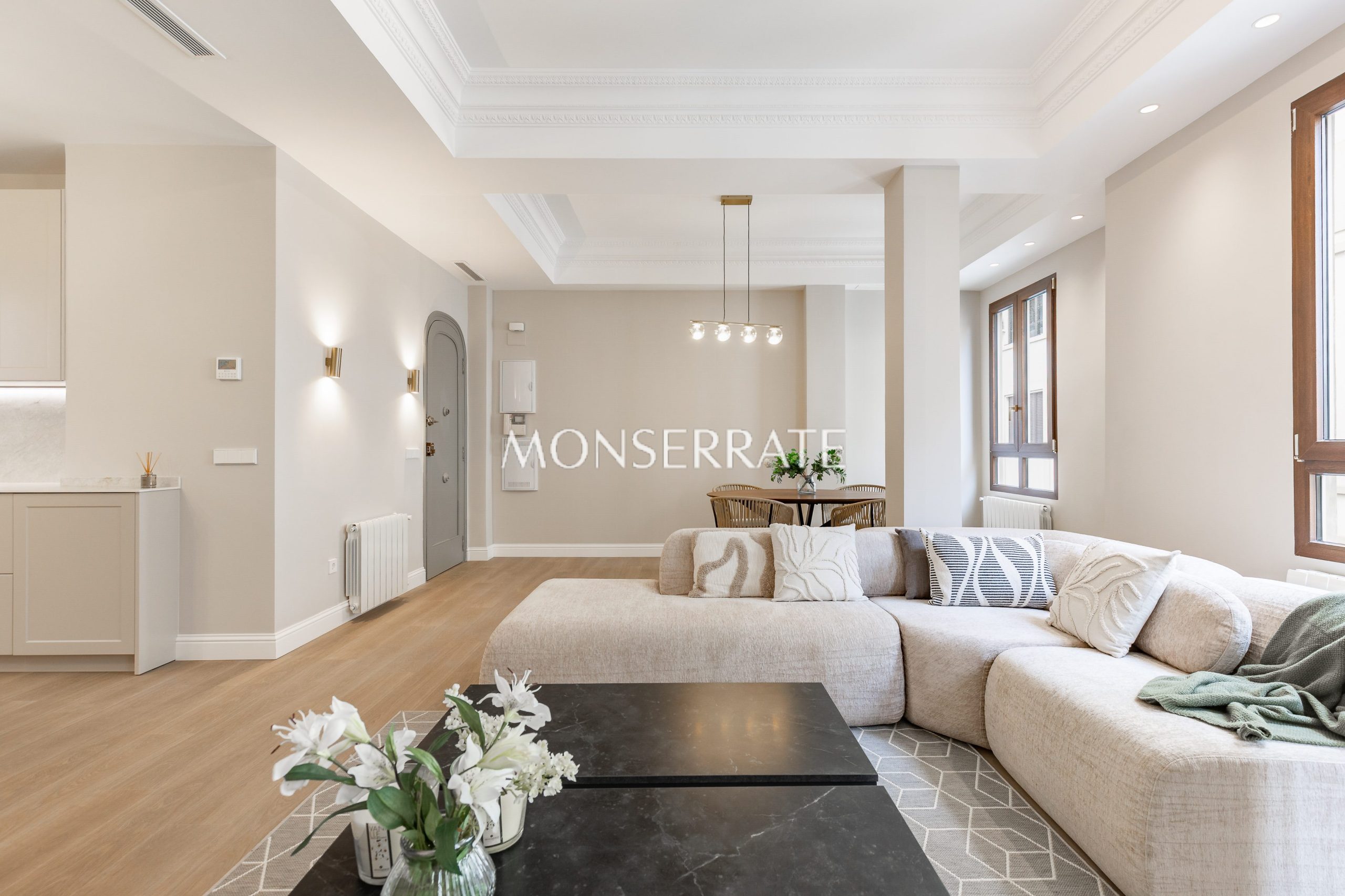
Buy
950.000€
Exceptional Refurbished Residence in San Francesc
Valencia
V5365
153 sqm House
3
2

Buy
1.430.000€
Exceptional Renovated Residence in La Xerea
Valencia
V5347
211 sqm House
3
3

Buy
1.375.000€
Designer Apartment with Terrace in Mestalla
Valencia
V5331
229 sqm House
3
2

Buy
4.750.000€
Exclusive Luxury Estate in Vall d'Albaida
Fontanares
F112
750 sqm
9
6

Buy
6.600.000€
Outstanding private estate located between Valencia and Madrid
Garaballa, Cuenca
F108
1.200 sqm
9
10
Artículos Relacionados

How much is your luxury property in Valencia worth?
September 28, 2026
Leer más

Valencia for Luxury Digital Nomads: Why International Professionals Choose This City
August 28, 2026
Leer más

Where to live near the British School of Valencia: the best areas and luxury properties
August 31, 2026
Leer más

Alfinach: Luxury that doesn’t need to announce itself
September 15, 2026
Leer más

What is the best orientation for a house? A guide for prospective buyers
July 1, 2026
Leer más

How to Buy a Luxury Property in Spain and Ensure a Profitable Investment
June 30, 2026
Leer más
Living in Godella, Valencia: for families looking for tranquillity and luxury
September 28, 2026
Leer más

Pla del Real, Valencia: the neighbourhood where people who choose well end up living
August 31, 2026
Leer más
Living in Ruzafa: Art, gastronomy and a cosmopolitan vibe in Valencia’s coolest neighbourhood
September 15, 2026
Leer más

