

Taxes for Non-Residents on the Sale of a Property in Spain: Everything You Need to Know
26 June 2026
If you are a foreigner and own a property in Spain and are thinking about selling it, knowing the taxes that apply to a foreigner on the sale of their property in Spain will allow you to plan the transaction with greater peace of mind and avoid delays or unexpected costs.
In this article we explain which taxes apply, how they are calculated, and what steps you need to take once the sale has been completed.
Who is considered a non-resident foreigner for tax purposes?
Before talking about taxes, it is worth clarifying a concept that often causes confusion. Spanish regulations do not distinguish between Spanish and foreign sellers but between tax residents and non-residents.
In accordance with Article 9 of Law 35/2006, the Personal Income Tax Law, a person is considered a tax resident in Spain if they spend more than 183 days a year in Spanish territory or if the main base of their economic activities or interests is located in the country (such as their spouse and dependent minor children).
A person is considered non-resident when they do not have their tax residence in Spain, even if they own a property in the country.
To prove non-residency to the Spanish Tax Agency, the taxpayer must provide a certificate of tax residence issued by the tax authority of the country where they reside. This certificate is valid for one year from the date of issue.
This is a common situation among European citizens who acquired a second home on the Mediterranean coast or international investors with real estate assets in Spain.
This distinction is what determines how the sale of a property is taxed and what obligations apply to the seller. That is why, when we talk about taxes for foreigners on the sale of property in Spain, we are actually referring to the tax regime applicable to non-resident owners.
We recommend this article ➡️ Investing in real estate in Spain: a complete guide
What taxes does a foreigner pay when selling a property in Spain
The sale of a property by a non-resident usually involves three distinct tax concepts.
Capital gains tax
When the property is sold for an amount higher than the purchase price, after deducting certain deductible expenses and investments, a capital gain is generated.
That gain is taxed under the Non-Resident Income Tax (IRNR). It is not paid on the total sale amount, but only on the profit obtained after carrying out the relevant calculation. The general applicable tax rate is 19%.
To determine the gain, the following aspects, among others, are taken into account:
- The purchase price of the property.
- The sale price.
- The expenses associated with both transactions.
- Certain investments or improvements made to the property, provided they can be documented.
Reviewing all documentation before putting the property up for sale makes it easier to settle the taxes owed by foreigners on the sale of property in Spain later on.
The 3% withholding on the sale price
This is one of the aspects that most surprises those who sell a property in Spain without being tax residents in the country.
Spanish law requires the buyer to withhold 3% of the sale price and pay it directly to the Tax Agency.
This is not an additional tax but a payment on account of the IRNR that is subsequently settled.
If the final tax due is lower than that amount, the seller can request a refund of the excess. If, on the other hand, the corresponding tax is higher, they must pay the difference.
Municipal capital gains tax (plusvalía municipal)
In addition to state taxes, there may also be an obligation to pay the tax on the increase in value of urban land, known as the municipal capital gains tax (plusvalía municipal).
This tax depends on the town council where the property is located and is levied on the increase in the value of urban land during the time the owner has held the property.
Following the changes introduced in recent years, the regulations include different calculation methods, and even situations in which there is no obligation to pay when no real increase in value has occurred.

How capital gains are calculated
When it comes time to find out which taxes apply to a foreigner selling a property in Spain, one of the first questions tends to be the same: what amount will I actually be taxed on?
The answer is not the sale price, nor the simple difference between what the property cost and what is obtained for it. Current regulations allow for a series of expenses and investments to be included that can adjust the calculation of the capital gain.
Expenses that can be taken into account
Among the items that can typically form part of the calculation are:
- Notary and registration fees.
- Real estate agency fees.
- Taxes paid during the purchase.
- Improvement works that increase the value of the property and can be justified with invoices.
What happens if the sale results in a loss?
Not all transactions generate a profit. At certain points in the market, or when the property was purchased at a high price, the sale may result in a capital loss.
In these cases, the taxation changes and, in addition, the 3% withholding can be fully or partially recovered if the absence of a gain is correctly proven.
This is one of the situations in which having specialized advice helps avoid submitting incomplete documentation or losing the right to request the corresponding refund.
The 3% withholding: the procedure that raises the most questions
At the time the deed is signed, the buyer must withhold 3% of the sale price and pay it to the tax agency using form 211. To do this, they have a period of one month.
This procedure is mandatory when the seller is a non-resident and constitutes a payment on account of the non-resident income tax, which will later be settled when the corresponding tax return is filed.
The buyer then provides the seller with the receipt needed to prove that the amount has already been paid.
From that point on, it is up to the seller to file their IRNR tax return and calculate the final tax due.
If the withholding exceeds the amount actually owed, the tax agency refunds the difference once the submitted documentation has been reviewed.
In high-value transactions, common in the premium residential market, this refund can represent a considerable amount, which highlights the importance of preparing all the documentation correctly from the outset.
More information on ➡️ The best area to invest in Valencia: 2026 guide
Let’s look at some examples that illustrate why the 3% withholding is not a final tax but a payment on account.
Example 1. The withholding does not cover the entire tax
Imagine a non-resident owner sells their property for 700,000 euros.
At the time of signing, the buyer withholds 3% of the sale price, that is, 21,000 euros, and pays it to the tax agency using form 211.
After calculating the capital gain, it turns out that the IRNR owed amounts to 27,500 euros.
Since 21,000 euros have already been paid through the withholding, the seller will only have to pay the difference: 6,500 euros.
Example 2. The Tax Agency refunds part of the withholding
Now suppose another property is also sold for 700,000 euros, but the owner purchased it for a high amount and can also provide proof of purchase expenses, renovations, and costs associated with the sale.
After completing all the calculations, the IRNR due turns out to be 15,000 euros.
Since 21,000 euros were already withheld during the sale, the seller will have paid more than what they actually owe. In this case, they can request a refund of 6,000 euros from the Tax Agency once the tax return has been filed.
The NIE: an essential document for selling a property
In addition to meeting tax obligations, any foreign owner who does not reside in Spain needs to have a Foreigner Identification Number (NIE) in order to sell their property.
This is a personal identification number used by Spanish authorities to manage any action with economic or tax implications.
Having an NIE does not imply being a resident in Spain, nor does it grant any right of residence; it simply allows transactions such as buying or selling a property, paying taxes, or signing a public deed.
This procedure can be carried out either in Spain, through authorized police offices, or at Spanish consulates in the country of residence.
Although the process is usually resolved within a few weeks, it is advisable to apply for the NIE well in advance if the sale of the property is planned. Without this identification number, it is not possible to execute the sale deed before a notary or subsequently comply with the tax obligations arising from the sale.
Discover also ➡️ The process of buying a property in Spain for international buyers: considerations and key steps
What steps the seller must take after the sale
Once the sale has been completed, there are still several procedures that must be carried out within the established deadlines.
Filing form 210
The main one is filing form 210, through which the capital gain obtained from the sale is declared and the 3% withholding made by the buyer is settled.
The buyer has one month from the signing of the deed to pay the 3% withholding using form 211. Once that period has elapsed, the seller has an additional three months to file form 210.
For example, if the sale is completed on June 18, the buyer must pay the withholding before July 18. The seller, in turn, will have until October 18 to file their tax return and, depending on the outcome, pay the difference or request the corresponding refund.
Proving tax residency
It will be necessary to provide a certificate of tax residence issued by the tax authorities of the country where the seller resides.
This document can be particularly relevant when there is a double taxation treaty between Spain and the seller’s country of residence.
These international agreements coordinate taxation between both states and prevent the same gain from being taxed twice under the same concept.
Common mistakes when selling a property as a non-resident
Many problems arise after signing when it comes time to submit the documentation to the tax agency.
Some of the most frequent mistakes are:
- Not keeping invoices for renovations that could reduce the capital gain.
- Assuming that the 3% withholding constitutes the final tax.
- Not filing form 210 within the established deadline.
- Not being aware that part of the withholding can be refunded.
- Not reviewing the tax impact beforehand when setting the sale price.
Planning ahead makes it possible to anticipate these issues and avoid problems that could delay refunds or trigger further requirements later on.
Selling a property in Spain with specialized support
International real estate transactions require coordinating legal, tax, and administrative aspects that go beyond simply finding a buyer.
When the owner lives outside Spain, it is especially useful to have professionals who understand both the local market and the procedures associated with this type of sale: from gathering documentation to coordinating with tax advisors or notary offices.
At Monserrate Inmobiliaria, we support national and international owners throughout the entire process of selling premium properties in Valencia. In addition to finding the best buyer, we help prepare the necessary documentation and coordinate the transaction with the various professionals involved, making the process much simpler for those managing the sale from abroad.
Contact us, and we will help you plan every step with specialized advisors so that the sale proceeds with every guarantee.
Write to us, and one of our premium home agents will get in touch with you.
Other properties
Buy
1.800.000€
An Exceptional Penthouse in the Heart of Pla del Remei

Valencia

V5362

196 sqm House

3

3
Buy
2.900.000€
Historic Residence Overlooking Alfonso el Magnánimo Square
Valencia
V5335
400 sqm House
5
4
Rent
3.900€
Elegant and spacious renovated apartment in Jaime Roig, next to the German School
Valencia
A5282
240 sqm House
4
3

Buy
1.380.000€
High-end newly renovated property in Gran Vía
Valencia
V5328
168 sqm House
4
4
Rent
3.200€
Fabulous furnished property for rent next to the central market
Valencia
A5346
182 sqm House
4
3

Rent
12.000€
Exclusive contemporary chalet overlooking the golf course in Torre en Conill
Valencia
A744
510 sqm House
5
5
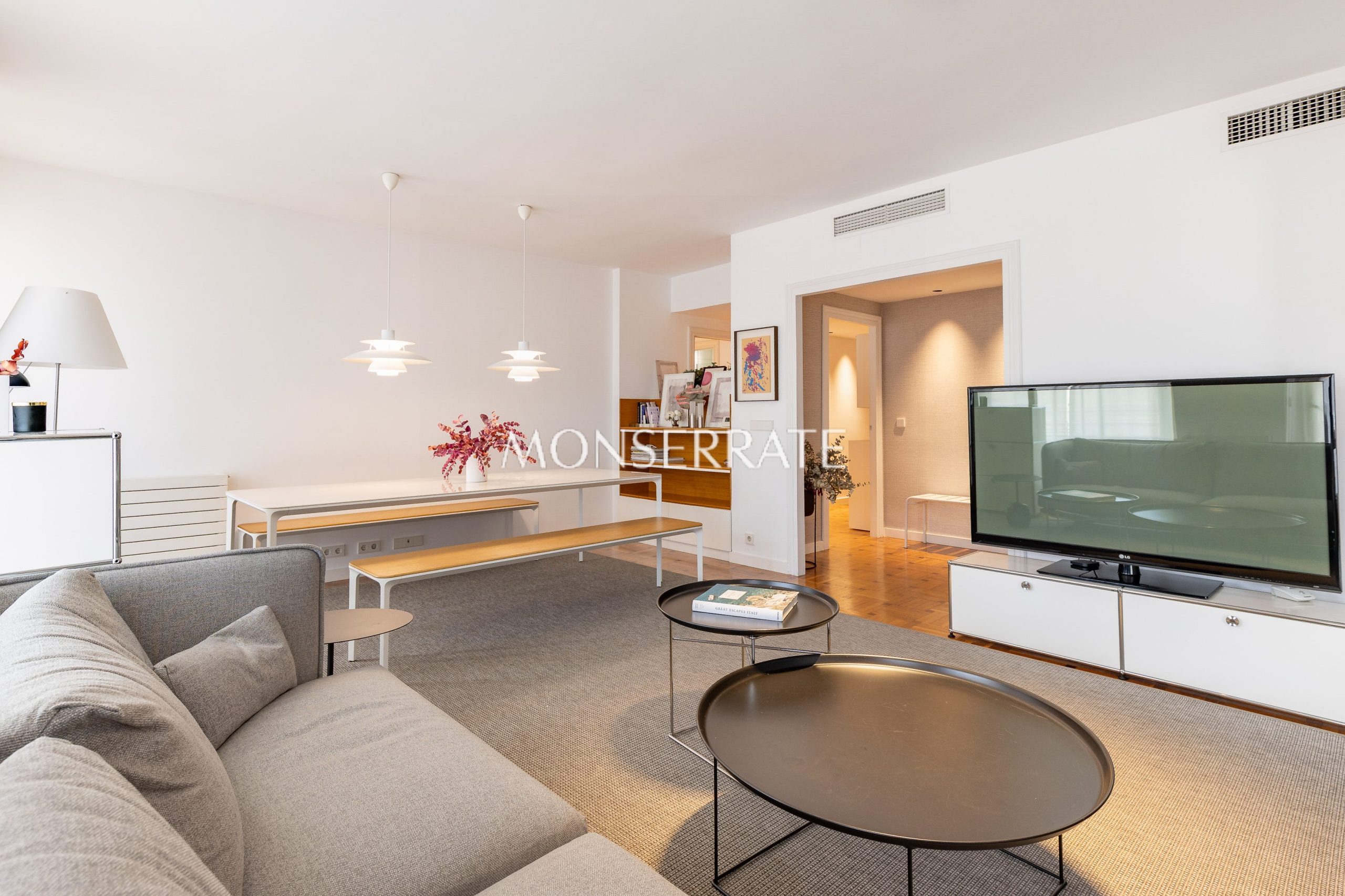
Buy
1.200.000€
Spacious Apartment with Terrace and Garage in Jaume Roig
Valencia
V5361
204 sqm House
4
3
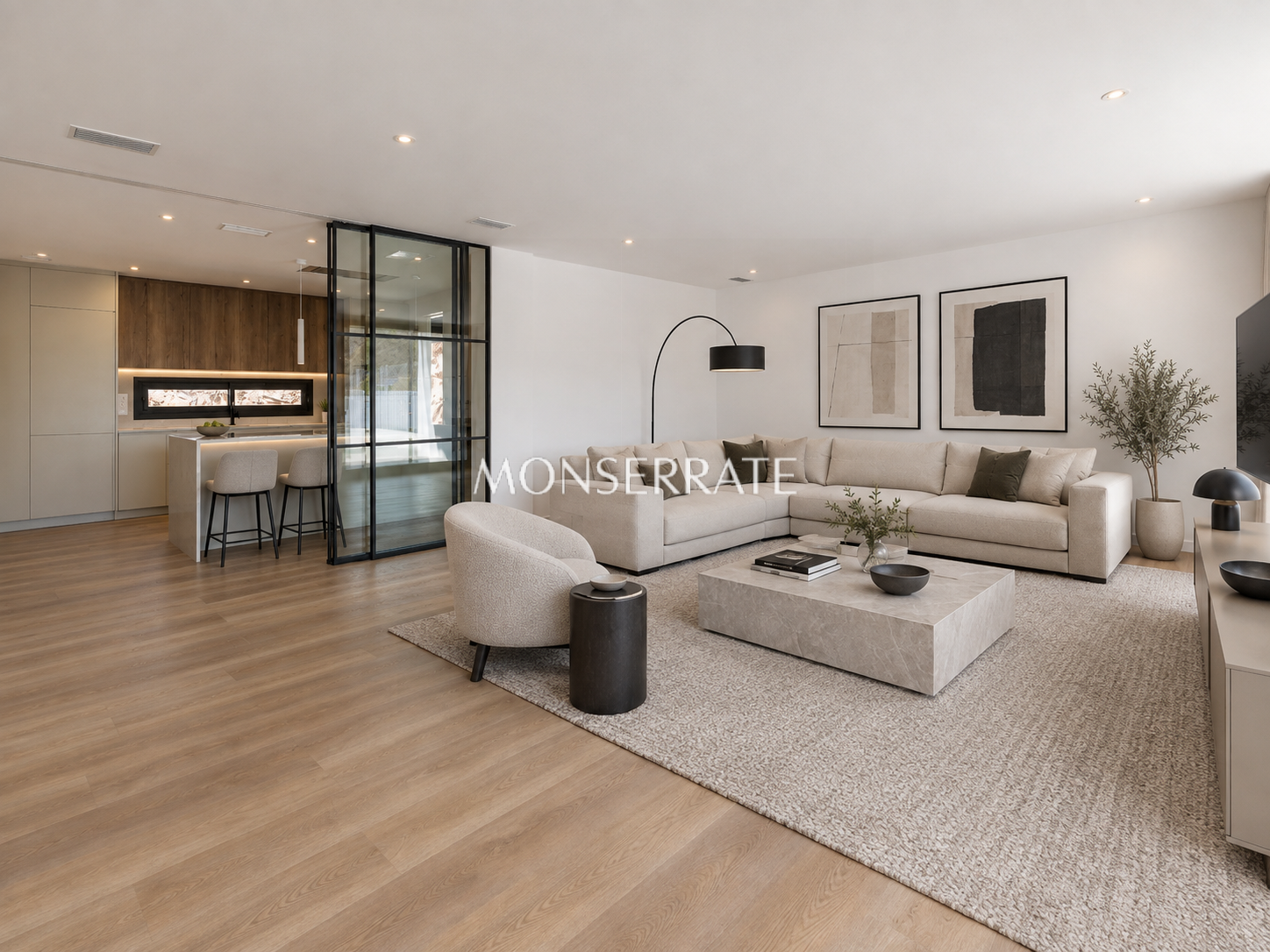
Buy
895.000€
Great New Built Villa in Alfinach
Puzol / Puçol
V276
200 sqm House
4
3

Rent
3.300€
Spectacular designer home for rent in the heart of Valencia’s Ensanche district
Valencia
A5418
156 sqm House
3
2

Rent
2.900€
Exclusive Apartment at Monasterios Residences I
Sagunto / Sagunt
A137
145 sqm
2
2

Rent
3.600€
Exclusive Bungalow for Rent in Los Monasterios
Sagunto / Sagunt
A136
150 sqm House
3
4

Rent
3.600€
Magnificent Detached Villa with Private Pool in Alfinach
Valencia
A219
211 sqm House
4
3

Buy
1.970.000€
Luxury Villa with Spacious Garden and Swimming Pool in Campolivar
Godella
V798
530 sqm House
4
3

Buy
799.000€
Exclusive Designer Detached Home with Private Elevator
Valencia
V5350
394 sqm House
3
2

Buy
1.750.000€
Magnificent opportunity: luxury apartment for renovation in Plaza Legión Española
Valencia
V5352
300 sqm House
5
4

Rent
2.800€
Luxury Penthouse with Two Terraces & Jacuzzi
El Puig
A5407
192 sqm House
3
2

Buy
2.500.000€
Outstanding Luxurious Villa with Spa in Los Monasterios
Puzol / Puçol
V169
840 sqm House
8
7

Buy
2.625.000€
Exclusive Luxury Villa Under Construction in Torre en Conill
Bétera
V908
422 sqm
6
5
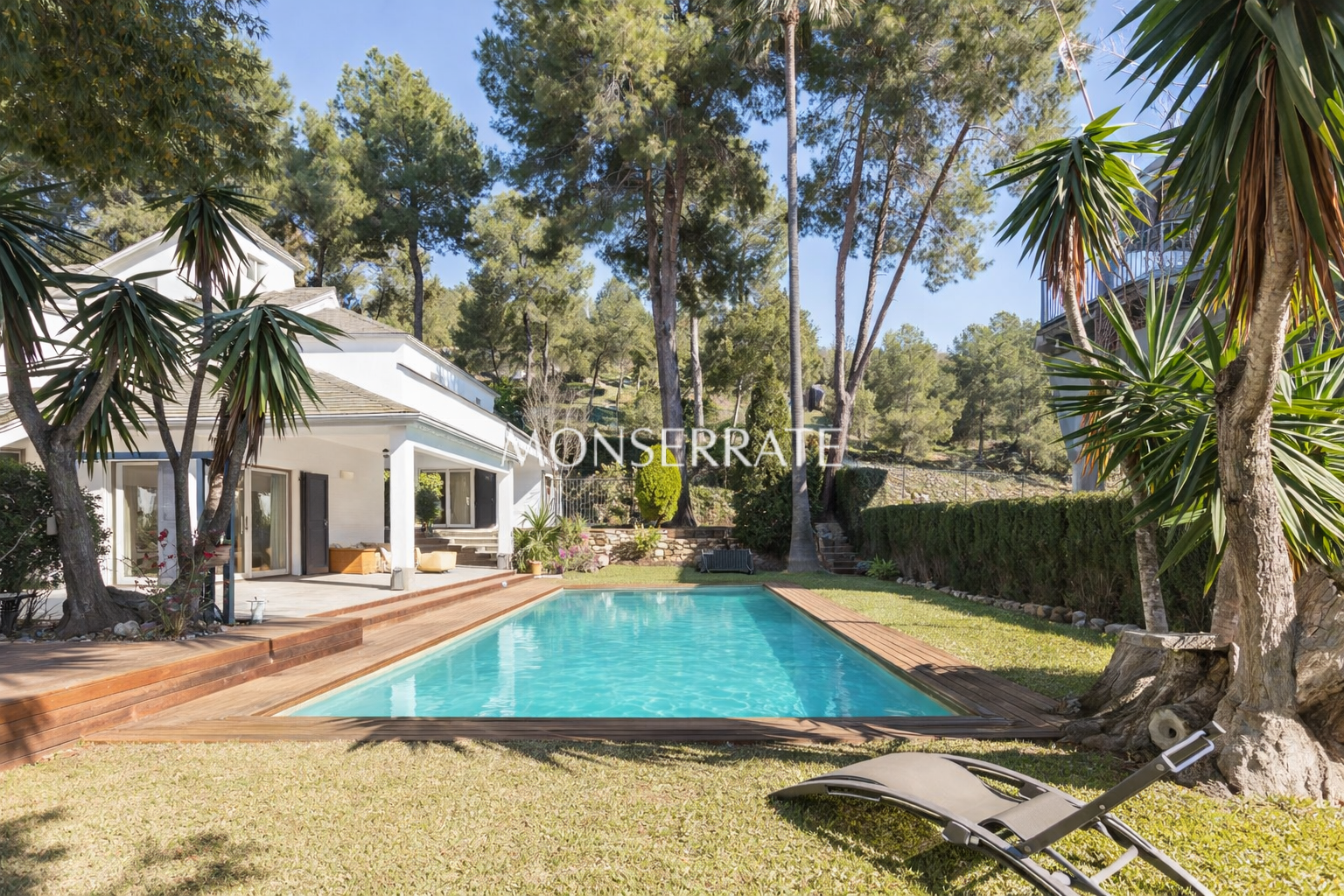
Buy
1.400.000€
Luxury home for Sale in Los Monasterios
Puzol / Puçol
VA117
468 sqm House
5
4

Buy
1.430.000€
Exceptional Renovated Residence in La Xerea
Valencia
V5347
211 sqm House
3
3

Buy
1.375.000€
Designer Apartment with Terrace in Mestalla
Valencia
V5331
229 sqm House
3
2

Buy
4.750.000€
Exclusive Luxury Estate in Vall d'Albaida
Fontanares
F112
750 sqm
9
6

Buy
6.600.000€
Outstanding private estate located between Valencia and Madrid
Garaballa, Cuenca
F108
1.200 sqm
9
10

Buy
580.000€
Country Estate on a 37,000 m² Estate in Fontanars dels Alforins, Ontinyent
Fontanares
F114
129 sqm
2
2
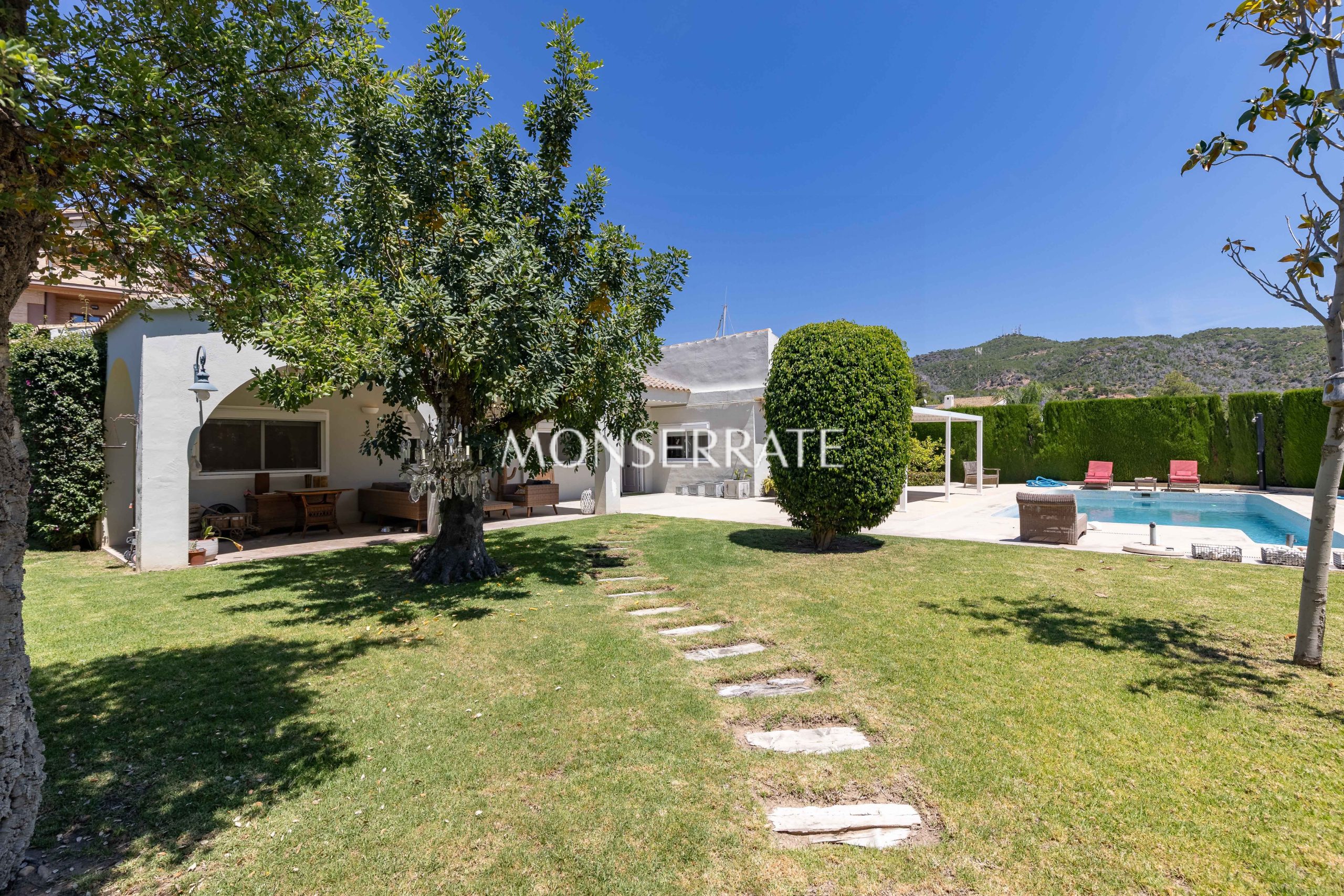
Buy
880.000€
Luxury Detached Villa with Pool and Garden in Alfinach
Puzol / Puçol
V275
269 sqm House
3
2

Rent
3.900€
Fantastic penthouse for rent with fabulous views.
Valencia
A5344
155 sqm House
2
2

Rent
3.500€
Elegant furnished property in Plaza Tetuan
Valencia
A506
178 sqm House
4
3

Buy
2.375.000€
Distinguished Duplex Penthouse in Landmark Modernist Building
Valencia
V5342
457 sqm House
5
5

Buy
780.000€
New Build Apartment in El Botánico
Valencia
ON506
144 sqm
3
2

Buy
525.000€
Wonderful Beachfront Apartment in Playa del Puig
Valencia
V5358
97 sqm
3
2
Artículos Relacionados

Deposit for purchase agreement: advice for buyers when signing
June 23, 2026
Leer más

Living in Ruzafa: Art, gastronomy and a cosmopolitan vibe in Valencia’s coolest neighbourhood
September 15, 2026
Leer más

Alfinach: Luxury that doesn’t need to announce itself
September 15, 2026
Leer más

What is the best orientation for a house? A guide for prospective buyers
July 1, 2026
Leer más

How to Buy a Luxury Property in Spain and Ensure a Profitable Investment
June 30, 2026
Leer más

Buying a second home in Spain as a non-resident: steps, taxes and requirements
August 31, 2026
Leer más

Pla del Real, Valencia: the neighbourhood where people who choose well end up living
August 31, 2026
Leer más

Valencia for Luxury Digital Nomads: Why International Professionals Choose This City
August 28, 2026
Leer más

Where to live near the British School of Valencia: the best areas and luxury properties
August 31, 2026
Leer más

