

Why invest in new-build property? The ideal option for investors
27 February 2026
In the high-end residential market, where property quality and future prospects are decisive factors, new-build homes offer investors a compelling balance of security, efficiency and appreciation potential.
Unlike other property types, a brand-new home allows buyers to know precisely what they are acquiring: finishes, energy efficiency, layout and construction standards aligned with today’s demands.
In this guide, we examine when it makes sense to invest in new-build property, how it compares to the second-hand alternative, and what factors should be considered before making a decision.
What does investing in new-build property mean?
Investing in new-build property means acquiring a brand-new home, whether off-plan, under construction, or recently completed, with the aim of generating rental income, reselling it, or building long-term wealth.
Unlike second-hand property, the home has never been occupied and meets the latest construction, technical, and energy standards.
Beyond aesthetics or the appeal of a new home, new-build property carries clear financial implications. “New-build homes offer various advantages. A new property is generally more comfortable to pay for, since during construction the buyer only pays between 20% and 30% of the total price in manageable instalments, and the property tends to appreciate in value from the moment it is handed over, especially in areas with limited new-build supply,” explains Camilo Sanabria, CEO of Monserrate Premium Home Agents.
This staged payment structure during construction allows the investor to better manage liquidity and optimise the use of capital up until the moment of completion and title transfer.
In markets with high demand and limited new stock, particularly in prime locations, it is not unusual for a property to appreciate in value even before the final sale is formalised.
Discover our available properties → New-build semi-detached homes in Campolivar
A further operational advantage should be noted. “Moreover, a new home only requires the transaction and, in some cases, home staging, meaning the investor avoids the renovation work that typically accompanies the purchase of a second-hand property,” adds the expert.
Want to discover the benefits of home staging → Home presentation: home staging
This distinction is fundamental when weighing up new-build versus second-hand property, as renovations not only represent an additional cost but also time, project management and potential budget overruns.
In practical terms, investing in new-build property means gaining access to an asset ready to generate returns from day one, with fewer technical surprises and a more predictable cost structure.
For investors who value stability and operational efficiency, this characteristic is particularly attractive.

Key advantages of investing in new-build property
Before examining figures and comparisons, it is worth understanding what makes a new-build property a particularly attractive option within a sound wealth-building strategy.
Beyond design or the appeal of a brand-new home, there are financial, technical, and market factors that explain why many investors prioritise this type of asset over its second-hand counterpart.
You may also be interested → 2 highly profitable real estate investment strategies you should know
Security and predictability from the outset
The investor knows exactly what they are acquiring: specification sheet, layout, installations, energy certification and up-to-date construction standards.
There are no uncertainties linked to ageing renovations, deteriorated systems, or potential hidden defects.
This predictability enables the operation to be structured with greater financial rigour and reduces the margin for error.
Lower maintenance requirements and warranty coverage
In new-build homes, wear and tear is non-existent and all installations comply with current regulations.
In practice, this translates into fewer unexpected costs and a far more stable cost structure during the initial phase of the investment.
In the ongoing new-build versus second-hand debate, this point is decisive, as second-hand properties frequently require refurbishments, technical updates or improvements that significantly increase the true cost of the investment.
Energy efficiency and alignment with evolving market demands
Today’s developments incorporate construction and technological solutions that respond to the demands of the contemporary buyer.
Advanced insulation, efficient climate control systems, renewable energy sources and home automation enhance the living experience while reducing energy consumption and running costs.
Greater appreciation potential
In many luxury residential developments that are already established, available land is scarce, which restricts the supply of new-build homes.
It is not unusual for certain developments to experience value increases even before completion, particularly in areas with strong residential appeal.
Commercial appeal and future liquidity
A new home is easier to position in the market. Contemporary design, well-planned communal areas, and the “brand new” perception generate an immediate sense of value that shortens time to sale.
Both in rental and resale markets, buyers and tenants tend to prioritise properties requiring no additional work. This ease of exit provides liquidity and reduces operational risk, a factor many investors value highly when comparing new-build against second-hand property.
Discover this development → Impressive new-build townhouses in Campolivar
New-build or second-hand property: which is the better investment?
Before deciding where to invest, it is worth evaluating both scenarios to determine which best aligns with your objectives.
Comparison: new-build vs. second-hand
| Factor | New-build | Second-hand |
| Property condition | Brand new | Used |
| Need for renovation | Virtually none | Frequent |
| Energy efficiency | High (current regulations) | Variable |
| Initial yield | May be lower | Potentially higher |
| Long-term appreciation | High | Depends on location & condition |
| Initial maintenance costs | Low | High |
Risks and considerations when investing in new-build property
Investing in new-build property, like any real estate investment, is not without risks. Examining them rigorously is an essential part of a responsible and well-structured strategy.
Delivery timescales and potential delays
When purchasing off-plan or a home under construction, the timeline becomes a critical variable. Although developers typically provide indicative completion dates, delays can occur due to technical, administrative or even macroeconomic factors.
The legal security of the project and the financial solidity of the developer are key factors in minimising risk and ensuring a well-structured investment.
Market risk and property cycle
Market behaviour is not linear. Although new-build property in established locations tends to show greater resilience, the economic context influences sales pace, pricing and rental demand.
Investing in new-build property during an expansive phase of the cycle may mean acquiring the asset at a moment of elevated prices.
Liquidity in certain locations
Not all new-build property guarantees automatic appreciation. In areas with oversupply or limited urban development, absorption can be slower than anticipated.
The appeal of an asset does not depend solely on it being new, but on its context: infrastructure, services, accessibility and the perception of exclusivity. Location remains the central element in any property investment decision.
Quick guide: key factors before investing in new-build property
If you are considering investing in new-build property, these are the aspects you should analyse before making a final decision:
1. Location and growth potential of the area
Assess not only the current situation, but also the potential for growth. Infrastructure, services, genuine demand and scarcity of new supply are key indicators for future appreciation.
Read more → How to choose the right location for your luxury home
2. Reputation and financial strength of the developer
Research previous developments, quality of execution and track record on delivery timescales. The developer’s experience and financial stability reduce risk, particularly when buying off-plan.
3. Financial planning
Analyse the payment schedule, planned financing and associated purchase taxes and costs. Ensure the operation fits within your liquidity strategy.
4. Estimated returns and realistic scenarios
Calculate gross and net yields factoring in costs, taxes and potential void periods. Cross-reference actual market prices, not just published asking figures.
5. Build quality and differential value
Review the specification sheet, energy efficiency rating and added services. In the premium segment, these elements directly influence liquidity and appreciation potential.
6. Investment horizon and exit strategy
Define whether the investment is a long-term wealth-building asset or intended for future resale. This determines the choice of location and type of development.
Investing in new-build property: a sound strategy
Not all properties are equal, nor do they suit the same investor profile. The difference lies in prior analysis, in the negotiation and in the ability to identify luxury properties that are genuinely aligned with a long-term strategy.
If you are interested in investing in new-build property, Monserrate Premium Home Agents provides strategic advisory support and a rigorous selection of opportunities. Contact our team to analyse your next investment with the right expertise behind you.
Write to us, and one of our premium home agents will get in touch with you.
Other properties
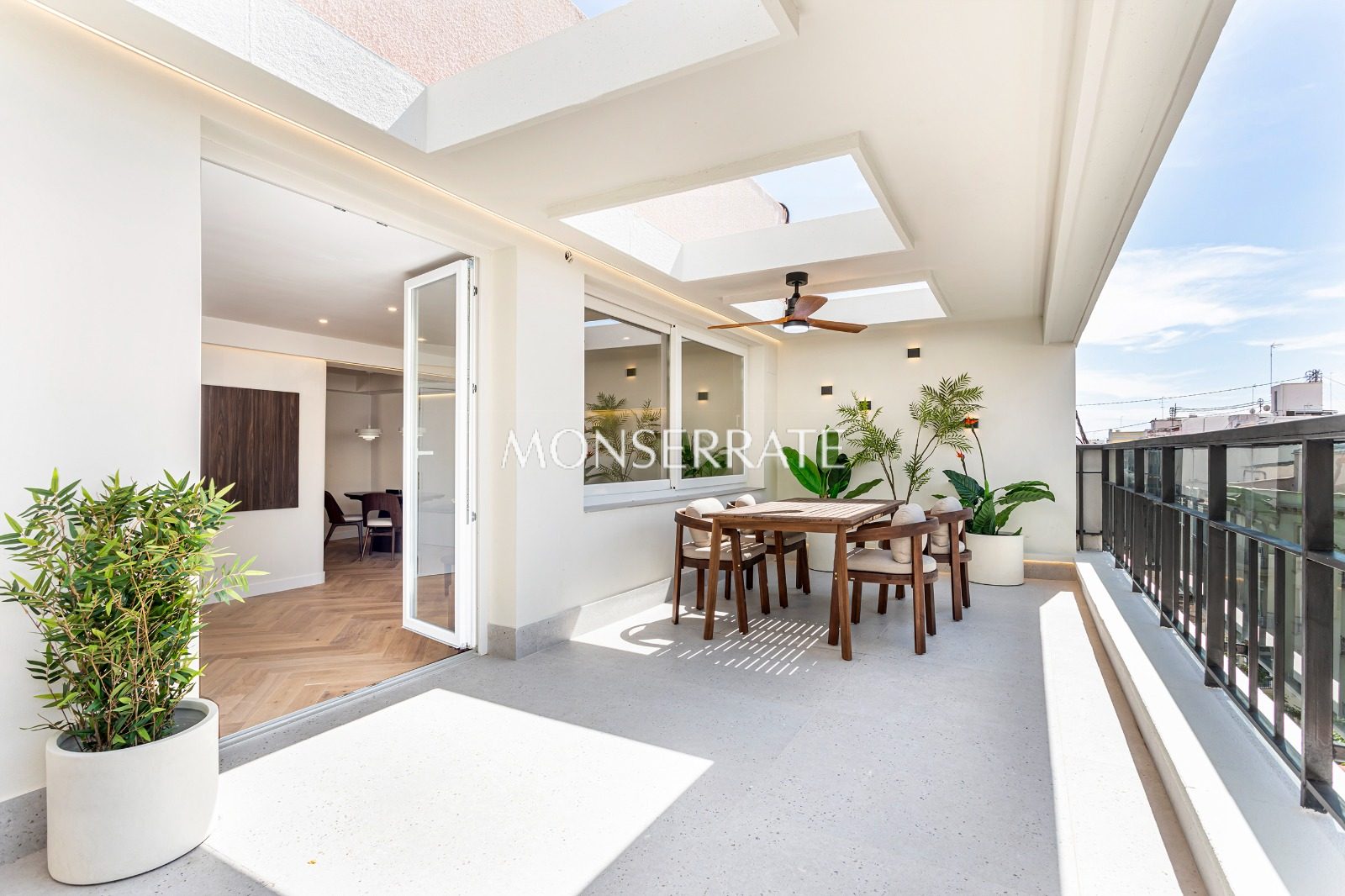
Buy
1.800.000€
An Exceptional Penthouse in the Heart of Pla del Remei

Valencia

V5362

196 sqm House

3

3

Buy
2.900.000€
Historic Residence Overlooking Alfonso el Magnánimo Square
Valencia
V5335
400 sqm House
5
4
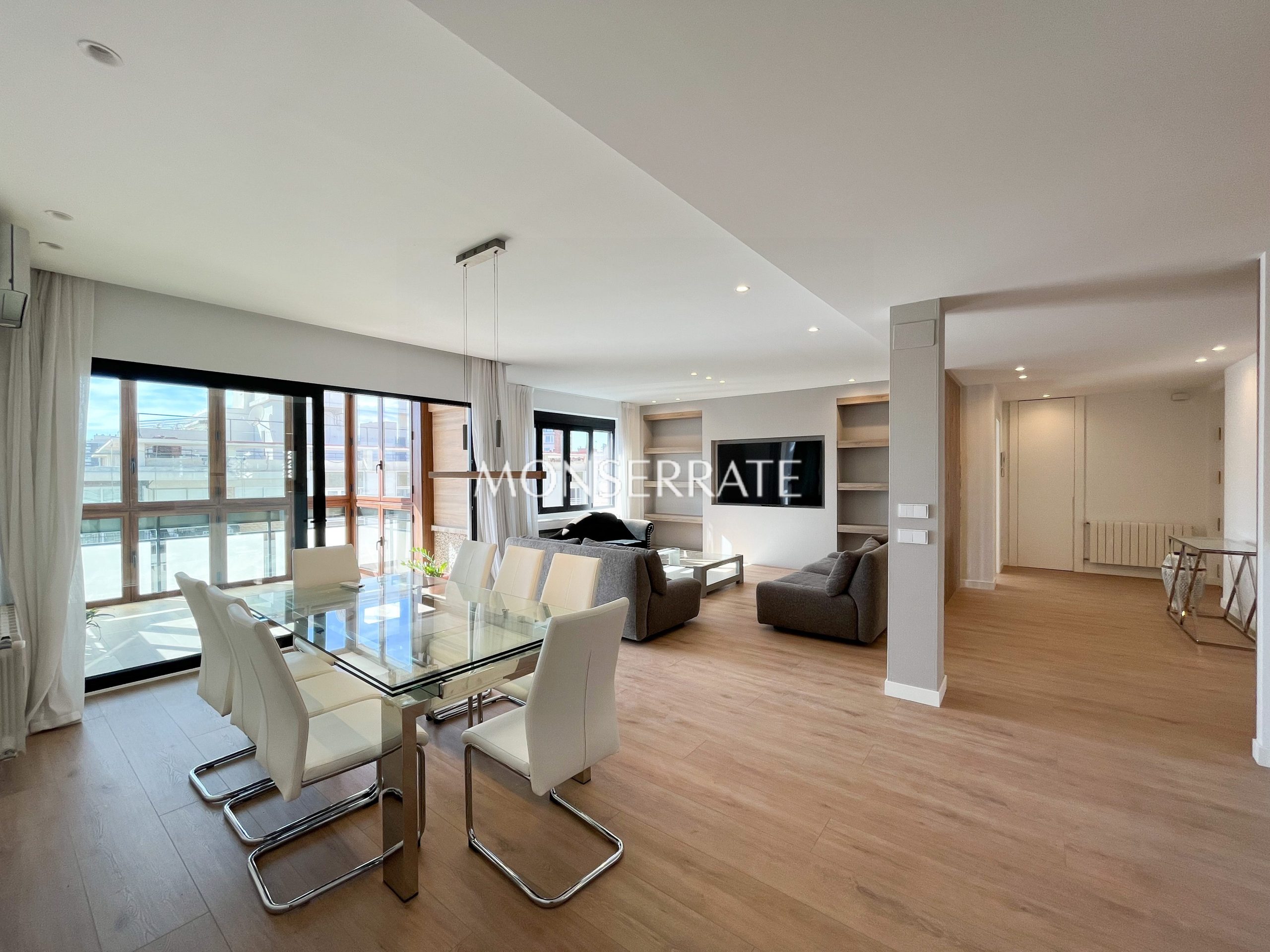
Rent
3.900€
Elegant and spacious renovated apartment in Jaime Roig, next to the German School
Valencia
A5282
240 sqm House
4
3

Buy
1.380.000€
High-end newly renovated property in Gran Vía
Valencia
V5328
168 sqm House
4
4
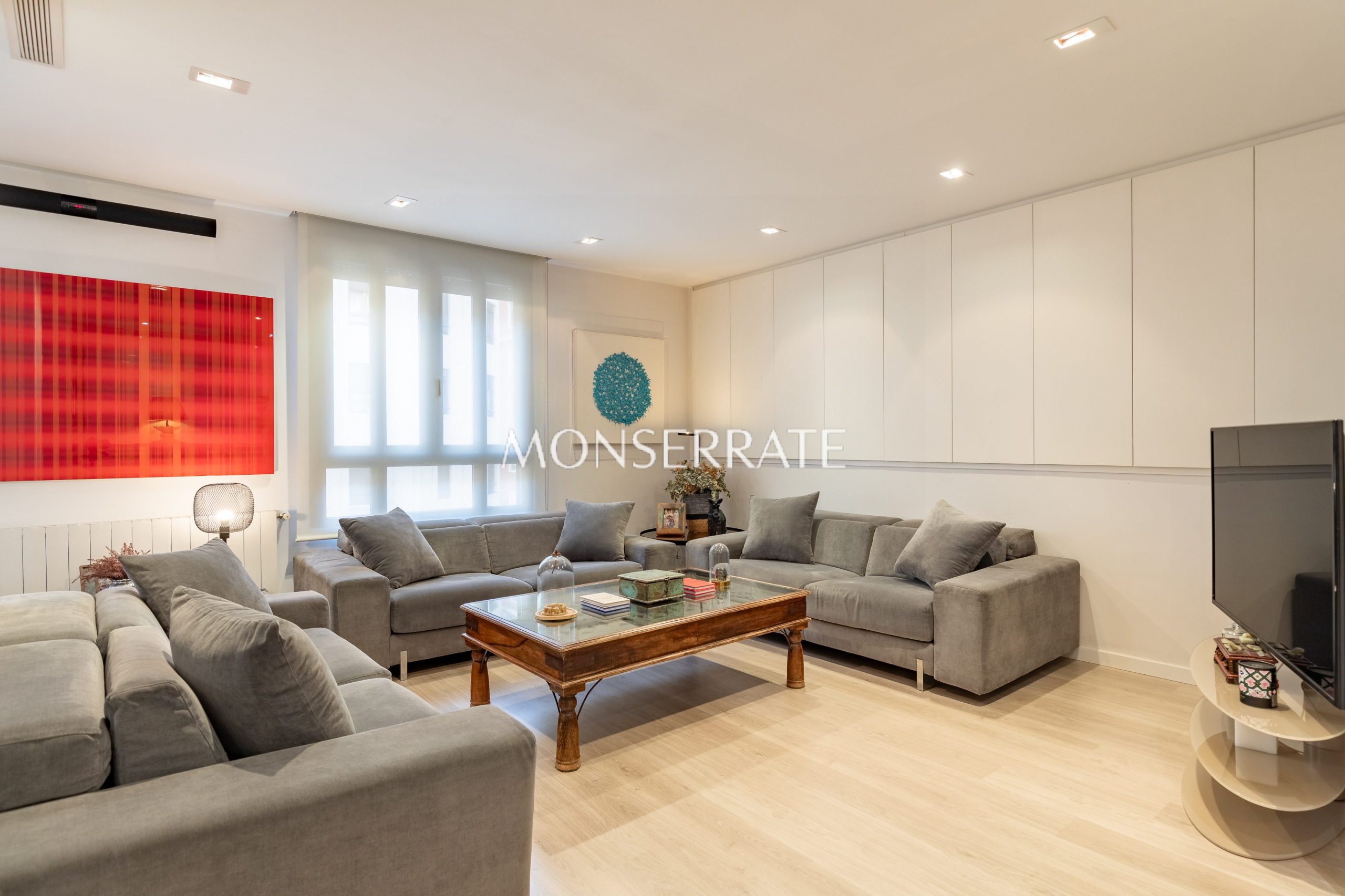
Rent
3.000€
Fabulous furnished property for rent next to the central market
Valencia
A5346
182 sqm House
4
3

Rent
12.000€
Exclusive contemporary chalet overlooking the golf course in Torre en Conill
Valencia
A744
510 sqm House
5
5
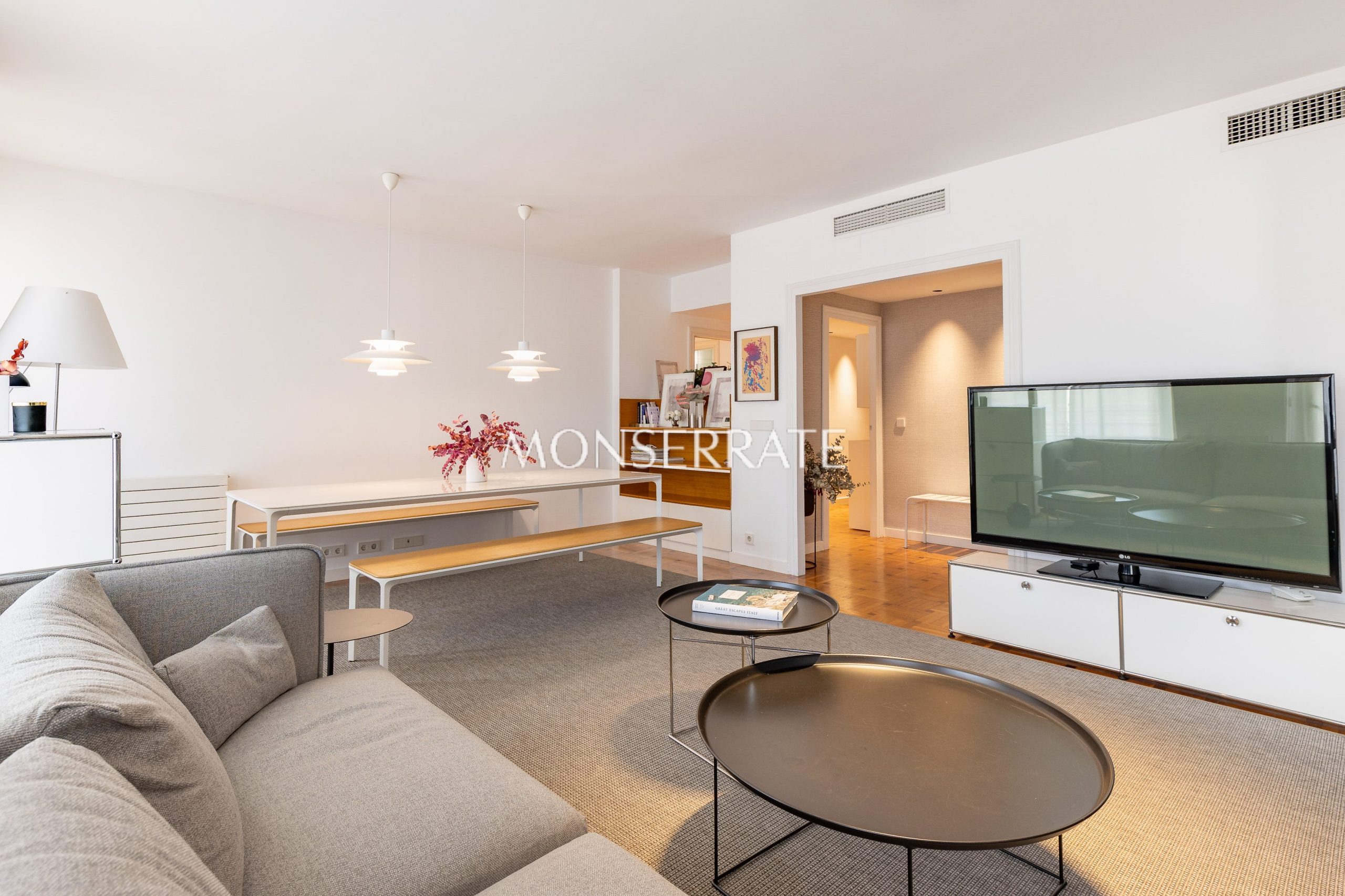
Buy
1.200.000€
Spacious Apartment with Terrace and Garage in Jaume Roig
Valencia
V5361
204 sqm House
4
3
Buy
895.000€
Great New Built Villa in Alfinach
Puzol / Puçol
V276
200 sqm House
4
3

Rent
2.900€
Exclusive Apartment at Monasterios Residences I
Sagunto / Sagunt
A137
145 sqm
2
2

Rent
3.300€
Spectacular designer home for rent in the heart of Valencia’s Ensanche district
Valencia
A5418
156 sqm House
3
2

Rent
3.600€
Exclusive Bungalow for Rent in Los Monasterios
Sagunto / Sagunt
A136
150 sqm House
3
4

Rent
3.600€
Magnificent Detached Villa with Private Pool in Alfinach
Valencia
A219
211 sqm House
4
3

Buy
1.970.000€
Luxury Villa with Spacious Garden and Swimming Pool in Campolivar
Godella
V798
530 sqm House
4
3

Buy
799.000€
Exclusive Designer Detached Home with Private Elevator
Valencia
V5350
394 sqm House
3
2

Buy
1.750.000€
Magnificent opportunity: luxury apartment for renovation in Plaza Legión Española
Valencia
V5352
300 sqm House
5
4

Rent
2.800€
Luxury Penthouse with Two Terraces & Jacuzzi
El Puig
A5407
192 sqm House
3
2

Buy
2.500.000€
Outstanding Luxurious Villa with Spa in Los Monasterios
Puzol / Puçol
V169
840 sqm House
8
7

Buy
2.625.000€
Exclusive Luxury Villa Under Construction in Torre en Conill
Bétera
V908
422 sqm
6
5
Buy
1.400.000€
Luxury home for Sale in Los Monasterios
Puzol / Puçol
VA117
468 sqm House
5
4

Buy
1.430.000€
Exceptional Renovated Residence in La Xerea
Valencia
V5347
211 sqm House
3
3

Buy
1.375.000€
Designer Apartment with Terrace in Mestalla
Valencia
V5331
229 sqm House
3
2

Buy
4.750.000€
Exclusive Luxury Estate in Vall d'Albaida
Fontanares
F112
750 sqm
9
6

Buy
6.600.000€
Outstanding private estate located between Valencia and Madrid
Garaballa, Cuenca
F108
1.200 sqm
9
10

Buy
580.000€
Country Estate on a 37,000 m² Estate in Fontanars dels Alforins, Ontinyent
Fontanares
F114
129 sqm
2
2

Buy
880.000€
Luxury Detached Villa with Pool and Garden in Alfinach
Puzol / Puçol
V275
269 sqm House
3
2

Rent
3.900€
Fantastic penthouse for rent with fabulous views.
Valencia
A5344
155 sqm House
2
2

Rent
3.500€
Elegant furnished property in Plaza Tetuan
Valencia
A506
178 sqm House
4
3

Buy
2.375.000€
Distinguished Duplex Penthouse in Landmark Modernist Building
Valencia
V5342
457 sqm House
5
5

Buy
780.000€
New Build Apartment in El Botánico
Valencia
ON506
144 sqm
3
2

Buy
525.000€
Wonderful Beachfront Apartment in Playa del Puig
Valencia
V5358
97 sqm
3
2
Artículos Relacionados

Alfinach: Luxury that doesn’t need to announce itself
September 15, 2026
Leer más

What is the best orientation for a house? A guide for prospective buyers
July 1, 2026
Leer más

Pla del Real, Valencia: the neighbourhood where people who choose well end up living
August 31, 2026
Leer más

Taxes for Non-Residents on the Sale of a Property in Spain: Everything You Need to Know
June 26, 2026
Leer más

Where to live near the British School of Valencia: the best areas and luxury properties
August 31, 2026
Leer más

Living in Ruzafa: Art, gastronomy and a cosmopolitan vibe in Valencia’s coolest neighbourhood
September 15, 2026
Leer más

Valencia for Luxury Digital Nomads: Why International Professionals Choose This City
August 28, 2026
Leer más

How to Buy a Luxury Property in Spain and Ensure a Profitable Investment
June 30, 2026
Leer más

Deposit for purchase agreement: advice for buyers when signing
June 23, 2026
Leer más

Buying a second home in Spain as a non-resident: steps, taxes and requirements
August 31, 2026
Leer más

