

Tax deductions for buying a home: everything you need to know
25 May 2026
Buying a home is one of the most significant long-term financial decisions you can make. Beyond the initial outlay, mortgage payments, taxes, and associated costs, many homeowners wonder whether there are still any tax advantages linked to purchasing a property.
The answer is yes, though with some nuance. Current tax deductions for buying a home maintain certain limitations following the 2013 tax reform, but there are still taxpayers who can benefit from them.
In addition, some regional governments (comunidades autónomas) offer additional incentives related to primary residences, especially for young people, large families, or buyers in rural areas.
Understanding which expenses can be deducted, what requirements the tax agency demands, and how to correctly apply these tax advantages can help you optimise your income tax return without errors or unpleasant surprises later on.
What is the tax deduction for buying a home?
The tax deduction for buying a home is a tax benefit that allows you to reduce part of the amounts invested in purchasing a primary residence within your personal income tax (IRPF) return.
Although the national regulations changed years ago, there are still cases in which you can continue to apply this tax advantage. Furthermore, some regional governments have developed their own grants and tax reliefs.
Who can apply this deduction?
The main condition for accessing the tax deduction for buying a primary home is having purchased the property before 1 January 2013 and having applied this deduction in previous tax years.
In other words, those who purchased their primary home after that date can no longer benefit from the general national deduction, though they may still be eligible for certain regional grants or specific circumstances.
What is considered a primary residence?
To apply the tax deductions for buying a primary home, simply owning the property is not enough. The tax agency requires that the home truly be your main residence and where you carry out your everyday life on a habitual basis.
A property is considered a primary residence when the following conditions are met:
- You live in it on a permanent basis.
- You must occupy it within a maximum of 12 months from the date of purchase or from the completion of works.
- You must reside there for at least three consecutive years.
If within those three years you change your domicile due to work reasons, marriage, separation, health issues, or other justified circumstances, the property may still be considered a primary residence for tax purposes.
If you’re thinking about purchasing a home in Valencia →The best areas in Valencia to live as a family
Furthermore, the tax agency also includes within the concept of primary residence any annexes purchased alongside the property, such as parking spaces or storage rooms, provided they are directly linked to the home.
What percentage can be deducted?
Taxpayers who retain the right to this tax deduction for buying a primary home can deduct 15% of the amounts paid during the year, up to a maximum annual limit of €9,040.
In practice, this represents a maximum saving of up to €1,356 on your income tax return.
To illustrate this more clearly, here are two practical examples:
- If during the year you have paid €6,000 in mortgage payments (principal and interest), you can apply a 15% deduction on that amount: 6,000 × 0.15 = €900.
In this case, the tax saving would be €900.
- If you have paid €12,000 during the year, you cannot deduct 15% on the full amount because there is a maximum limit of €9,040.
Therefore: 9,040 × 0.15 = €1,356. The maximum annual saving will be €1,356.
You may also be interested in → Is now a good time to buy a home?
What expenses are included in the tax deductions for buying a primary home

Not all payments related to purchasing a property generate the right to a deduction. That is why it is important to know exactly which items can be included.
Within the current tax deductions for buying a primary home, the tax agency accepts certain expenses directly linked to the financing and acquisition of the property.
Mortgage repayments
The capital repaid and the interest on the mortgage loan form part of the deductible base. This is the most common scenario within the tax deductions for buying a home.
To apply the deduction, the mortgage loan must have been used exclusively to purchase the primary home. If part of the financing is used for other expenses, such as furniture, decoration, or fittings, those amounts cannot be included.
Insurance linked to the mortgage
Certain insurance policies that are compulsorily linked to the loan can also be included, provided they are directly connected to the financing of the home.
Financing costs
Costs arising from the arrangement of the mortgage, notary fees and registration expenses can also form part of the deductible base for the tax deductions for buying a home.
Renovation or extension works
There are specific cases in which certain renovation works may be eligible for tax benefits, particularly when they relate to energy efficiency or home adaptations.
Discover → Property purchase taxes in Valencia
Requirements to apply the tax deductions for buying a primary home

Before applying any tax benefit, it is advisable to carefully review the conditions required by the tax agency.
The current tax deductions for buying a primary home are subject to several requirements that must all be met simultaneously.
- The property must be your primary residence: it must constitute the taxpayer’s habitual residence. This means effectively and permanently occupying it for at least three years.
- Purchase made before 2013: the most important condition for retaining the national tax deduction for buying a primary home is having acquired the property before 1 January 2013.
- Having previously applied the deduction: it is not enough to have purchased before 2013. You must also have applied the deduction in a tax return filed before that date.
- Keeping documentation: it is essential to retain title deeds, bank records and mortgage receipts in order to correctly substantiate the application of the deduction.
Differences between national and regional deductions
Many people believe the deduction disappeared completely in 2013, but the reality is somewhat more complex. In addition to the transitional national deduction, some regional governments maintain their own grants related to the purchase of a primary home.
Regional deductions for young people
Several regions offer tax advantages for buyers below a certain age who are acquiring their first primary home.
Incentives in rural areas
Some regions apply specific benefits to encourage people to settle in small municipalities or depopulated areas.
Benefits for large families or people with disabilities
There are also tax deductions for buying a primary home aimed at specific profiles, with different percentages and limits depending on the region.
Here are the main primary home tax deductions in select Spanish regions for the 2025 tax year:
| Region | Regional tax deductions for buying a primary home |
| Andalusia | 6% deduction for under-35s and for government-protected housing |
| Aragon | 5% deduction for under-36s or purchases in rural municipalities with fewer than 3,000 inhabitants |
| Asturias | 3% deduction for people with disabilities, government-protected housing and purchases in municipalities at risk of depopulation |
| Castilla-La Mancha | Deductions between 15% and 20% depending on municipality size and rural location |
| Castilla y León | Tax benefits for under-36s, properties in rural areas and new-build homes |
| Community of Madrid | Deductions for under-30s and buyers of a primary home following the birth or adoption of a child |
| Valencian Community | Deductions for under-35s, purchases with public grants and acquisitions in municipalities at risk of depopulation |
| La Rioja | Deductions for under-36s for purchase, construction or renovation in small municipalities, and also for a second home in a rural setting |
How to correctly apply the deduction on your tax return
One of the most common mistakes is automatically applying the deduction without checking whether all the requirements are actually met. It is therefore advisable to carefully review your tax data before submitting your return.
- Review amounts paid: the bank usually reports the amounts paid on the mortgage loan during the year, though it is worth verifying that the figures match the actual payments made.
- Check ownership: the tax deductions for buying a home can only be applied to the proportion corresponding to each co-owner of the property and the mortgage.
- Correctly declare the primary residence: it is important to confirm that the property is correctly identified as the primary residence in your tax records.
- Check regional deductions: savings opportunities are often missed through lack of awareness of specific grants available in each region.
Common mistakes related to tax deductions for buying a home
These are some of the most frequent errors associated with tax deductions for buying a primary home.
- Applying the deduction without being entitled: many people are unaware that the national deduction was restricted to homes purchased before 2013.
- Confusing a primary residence with a second home: the deduction is only valid for the taxpayer’s habitual residence, not for holiday properties or rental properties.
- Overlooking regional deductions: in some cases, regional tax benefits can be even more advantageous than the national deduction.
- Forgetting changes in personal circumstances: separations, changes of residence, or modifications in ownership can directly affect the application of the tax deduction for buying a home.
The importance of planning your home purchase carefully
Having specialist advice is particularly useful both for first-time buyers and for those looking to move to a different property.
If you are considering purchasing a home in Valencia or need guidance on areas, financing, or exclusive properties, contact us and we will help you find the option that best suits your needs.
Write to us, and one of our premium home agents will get in touch with you.
Other properties

Rent
3.500€
Elegant furnished property in Plaza Tetuan

Valencia

A506

178 sqm House

4

3

Buy
6.000.000€
Spectacular Ultra-Luxury House in Torre en Conill
Bétera
V907
608 sqm House
4
4
Buy
847.000€
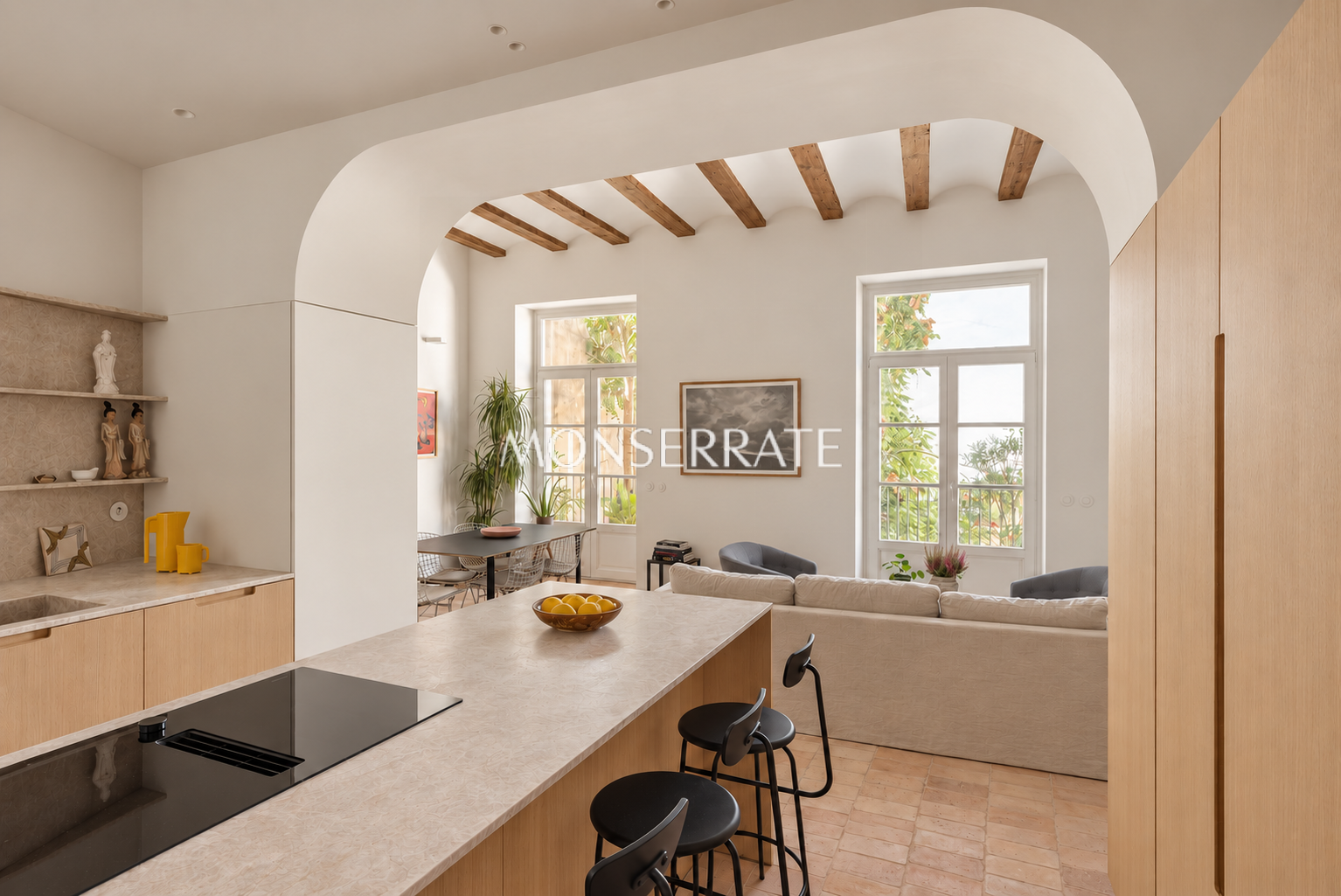
Exclusive Designer Apartment in La Xerea
Valencia
V5368
150 sqm House
3
2
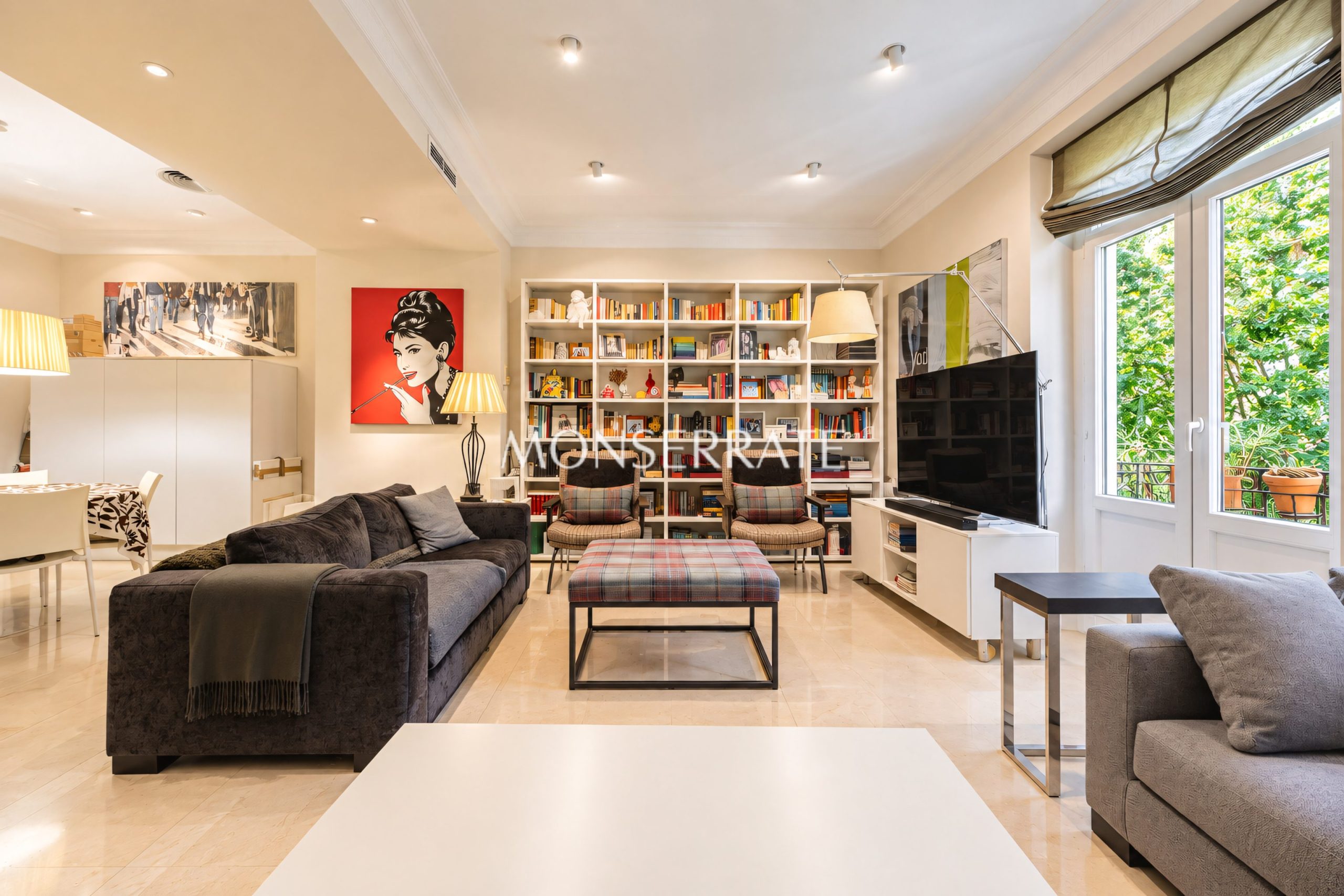
Buy
1.395.000€
Beautiful Apartment on Gran Vía Marqués del Turia
Valencia
V5370
185 sqm House
4
3
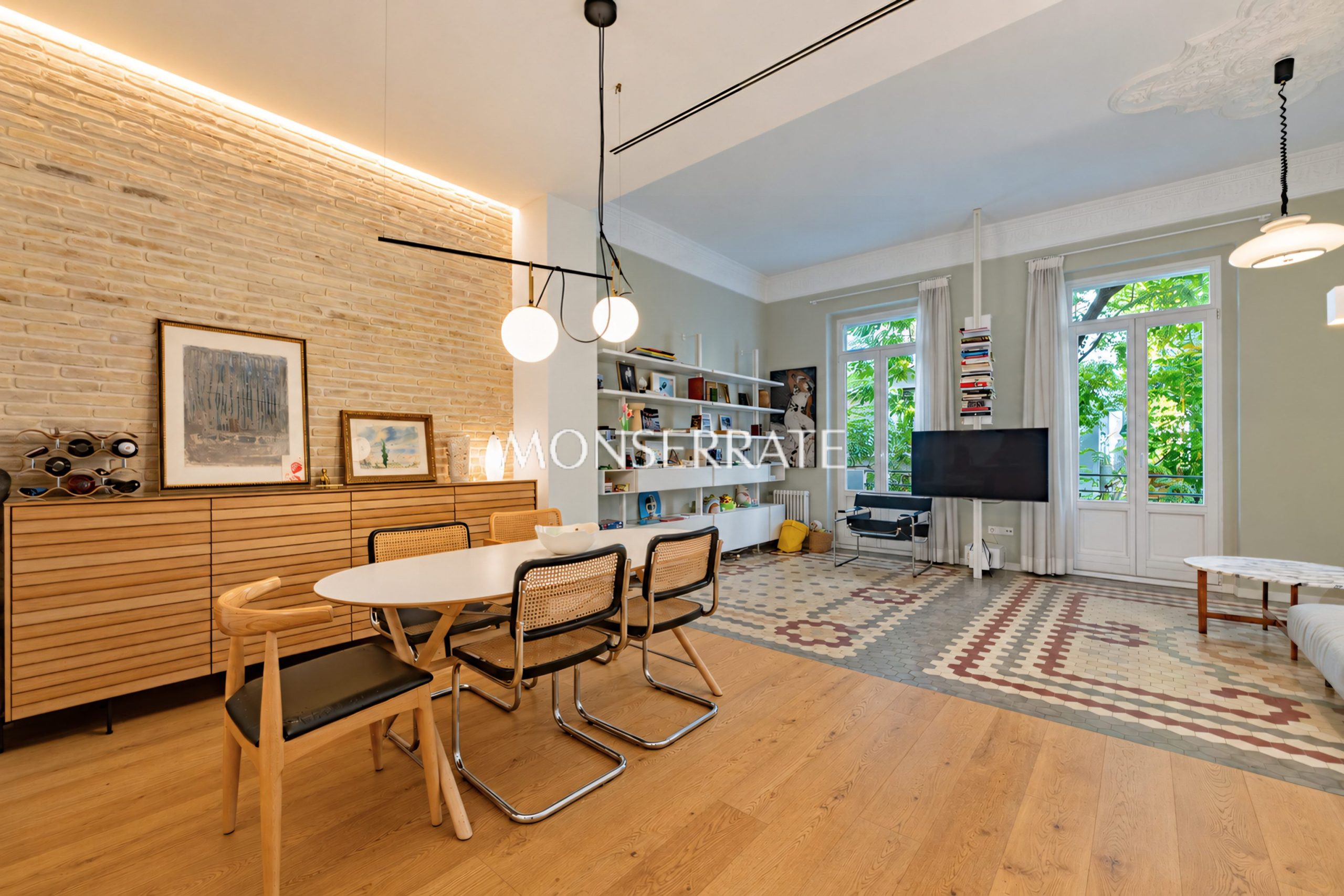
Buy
649.000€
Charming Apartment in Valencia’s Ensanche District
Valencia
V5369
102 sqm House
2
2

Buy
5.500.000€
Outstanding private estate located between Valencia and Madrid
Garaballa, Cuenca
F108
1.200 sqm
9
10

Buy
2.900.000€
Historic Residence at San Francesc wit Gorgeous Location and Views
Valencia
V5335
400 sqm House
5
4

Buy
1.400.000€
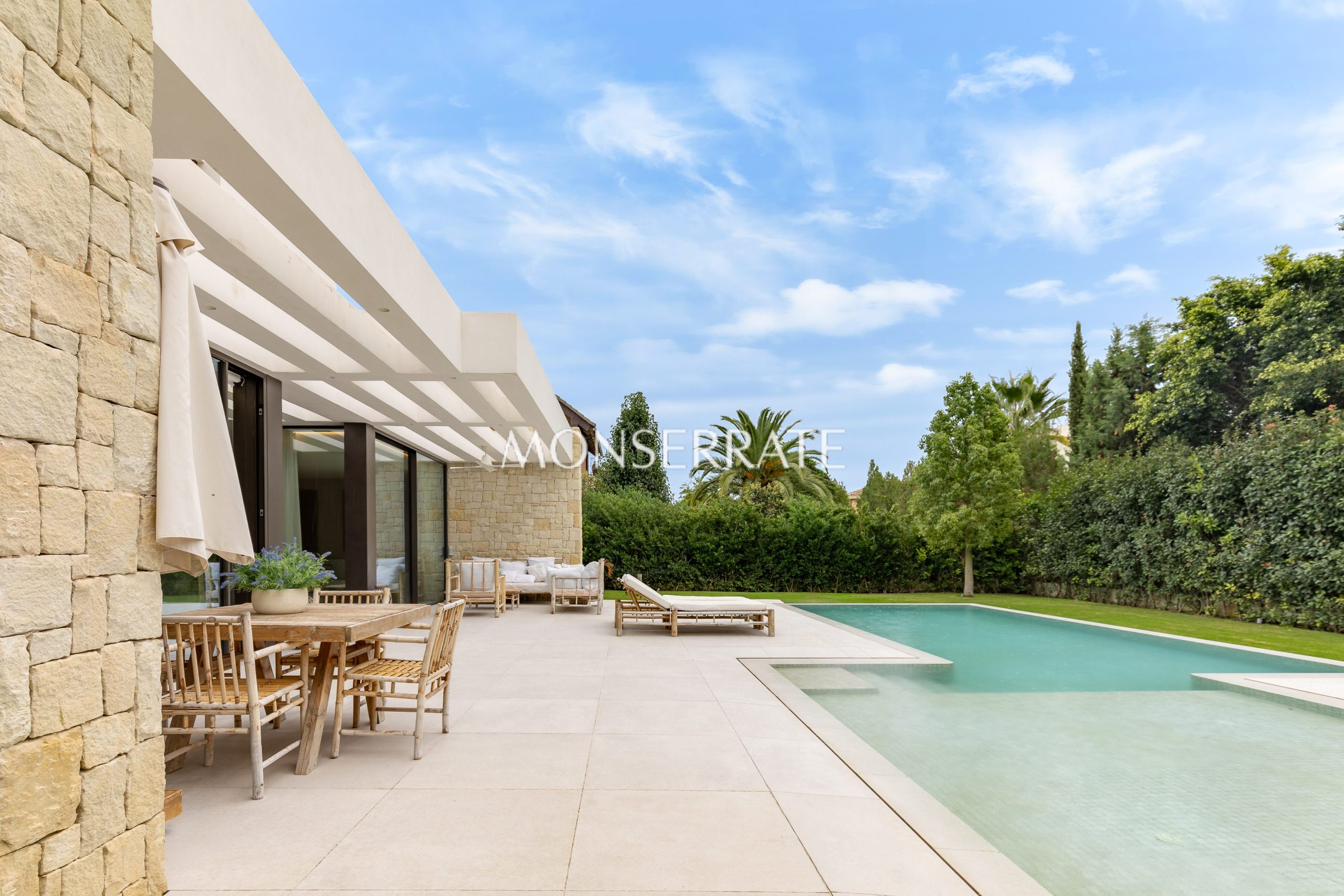
Exclusive Detached Villa with Spacious Plot and Swimming Pool in Alfinach
Puzol / Puçol
V277
358 sqm House
4
4
Rent
8.000€
Designer Villa for Seasonal Rental in Los Monasterios
Puzol / Puçol
A139
320 sqm House
5
3
Buy
1.290.000€
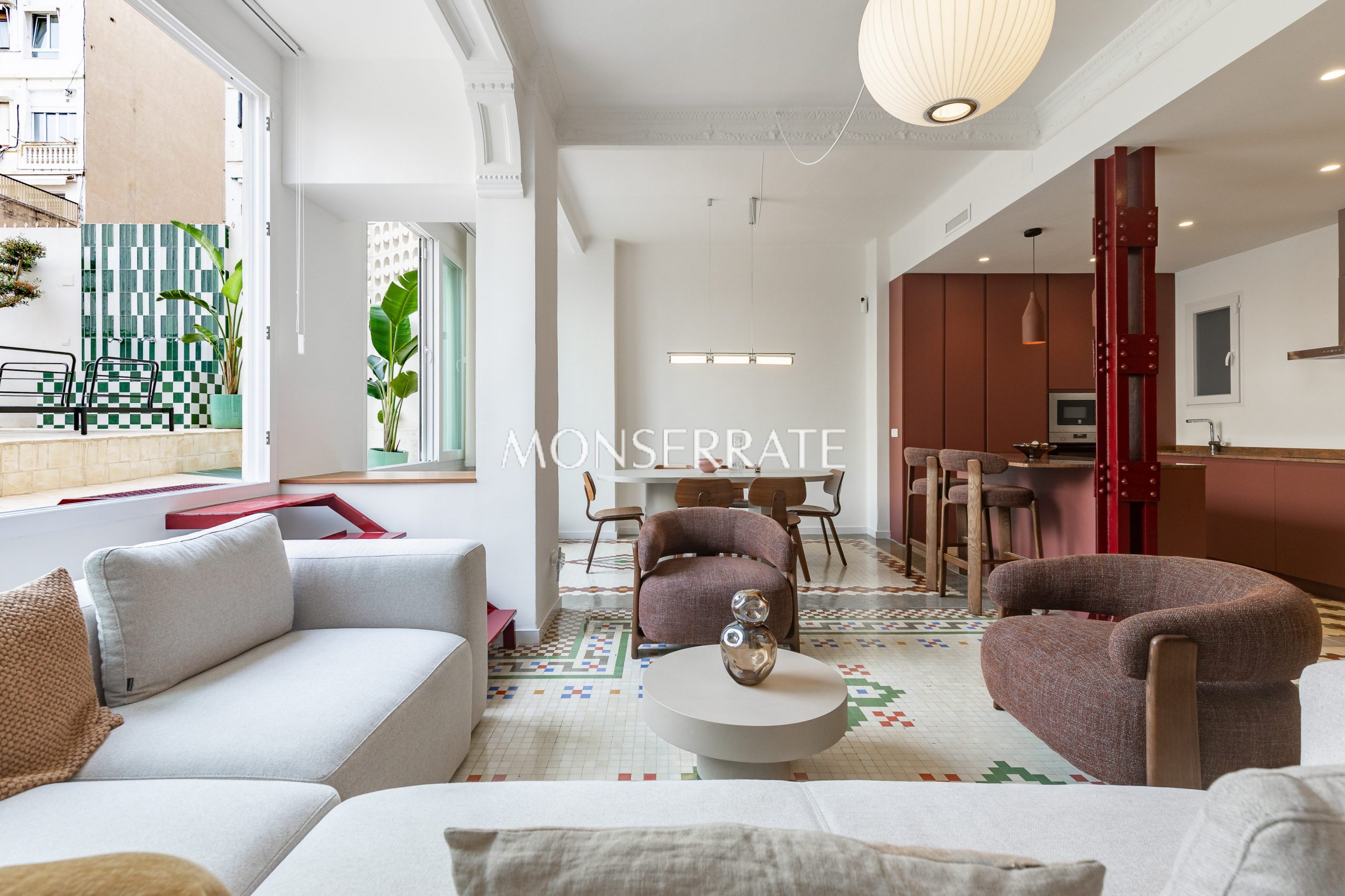
Very Attractive Flat with a Large Private Terrace in Valencia's Eixample's District
Valencia
V5367
230 sqm House
4
4

Buy
1.500.000€
A unique Villa overlooking the mediterranean
Alicante
V815
43.352 sqm House
7
3
Rent
10.000€
Rented
Valencia
V5284
246 sqm House
3
3
Buy
765.000€
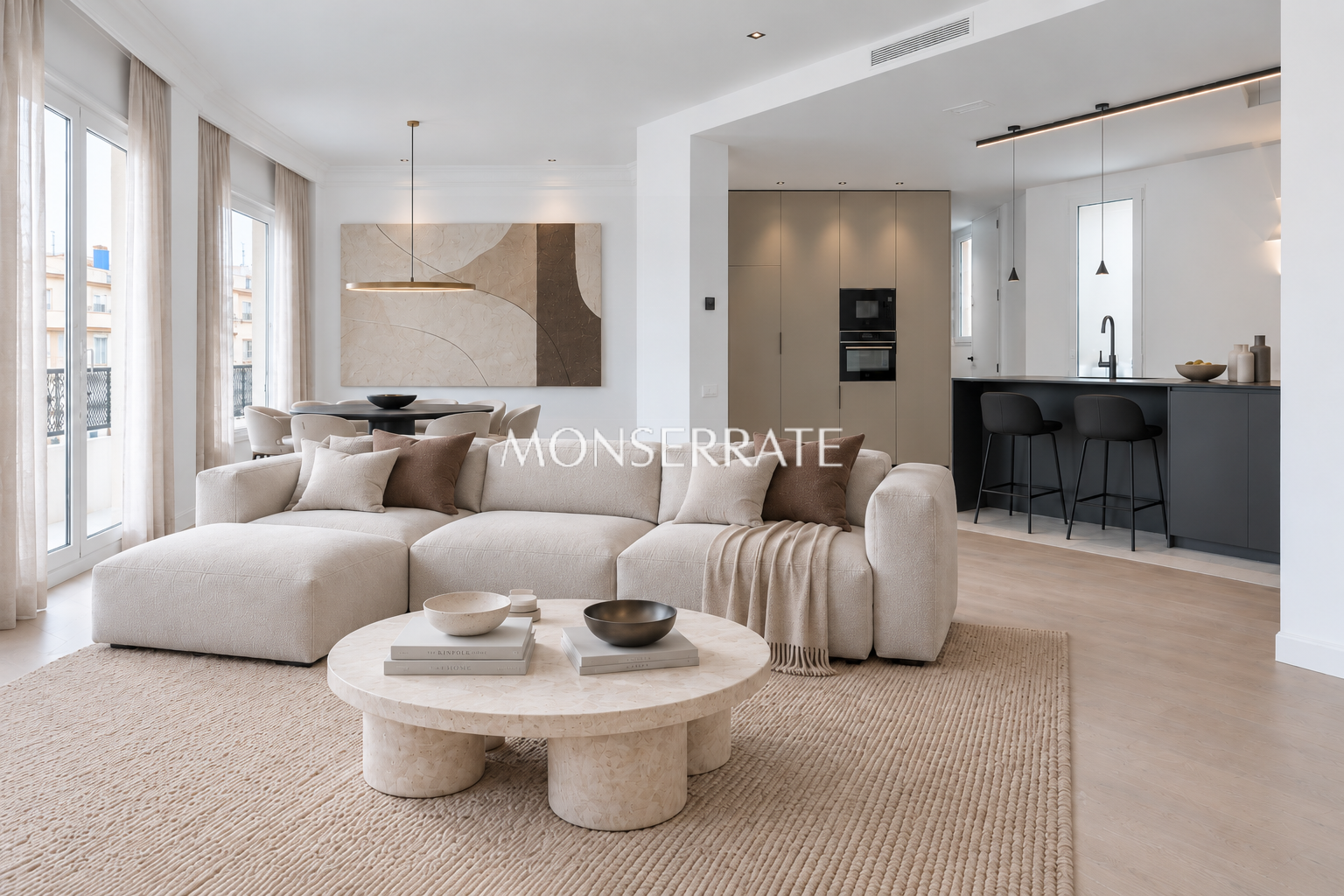
High Quality Refurbishment in L’Eixample, Ruzafa
Valencia
V5363
127 sqm House
3
2
Buy
1.690.000€
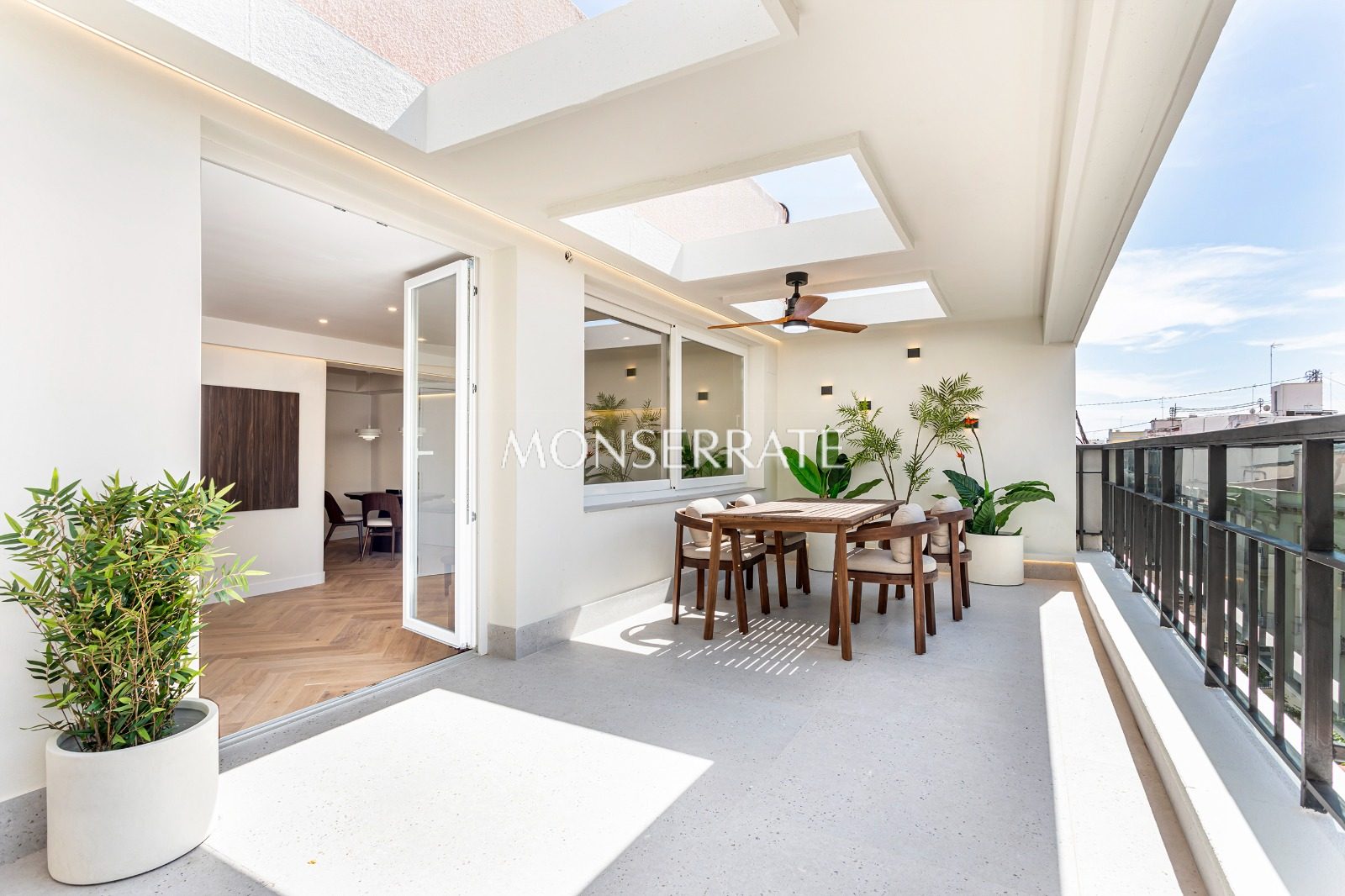
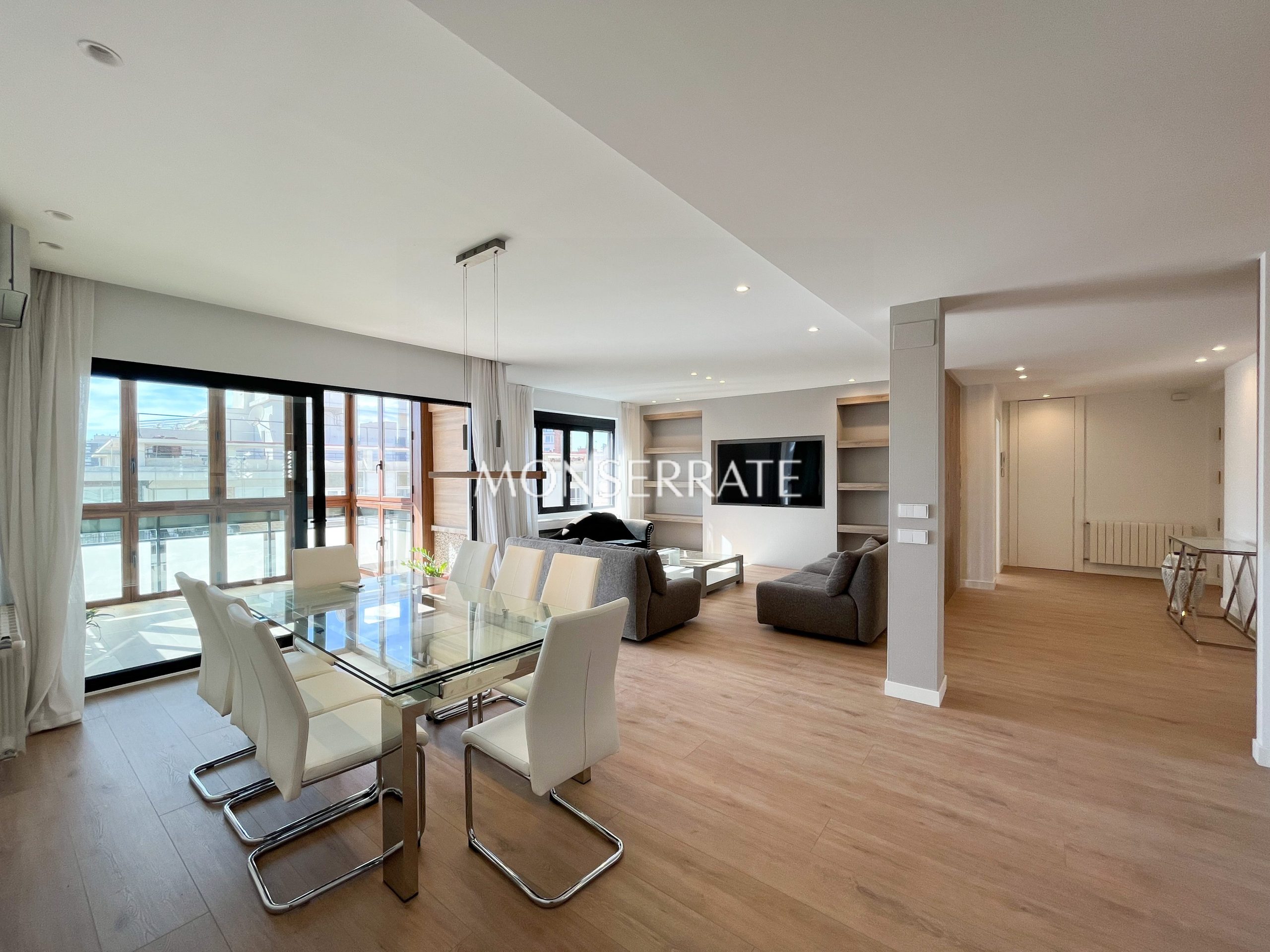
An Exceptional Penthouse in the Heart of Pla del Remei
Valencia
V5362
196 sqm House
3
3
Rent
3.900€
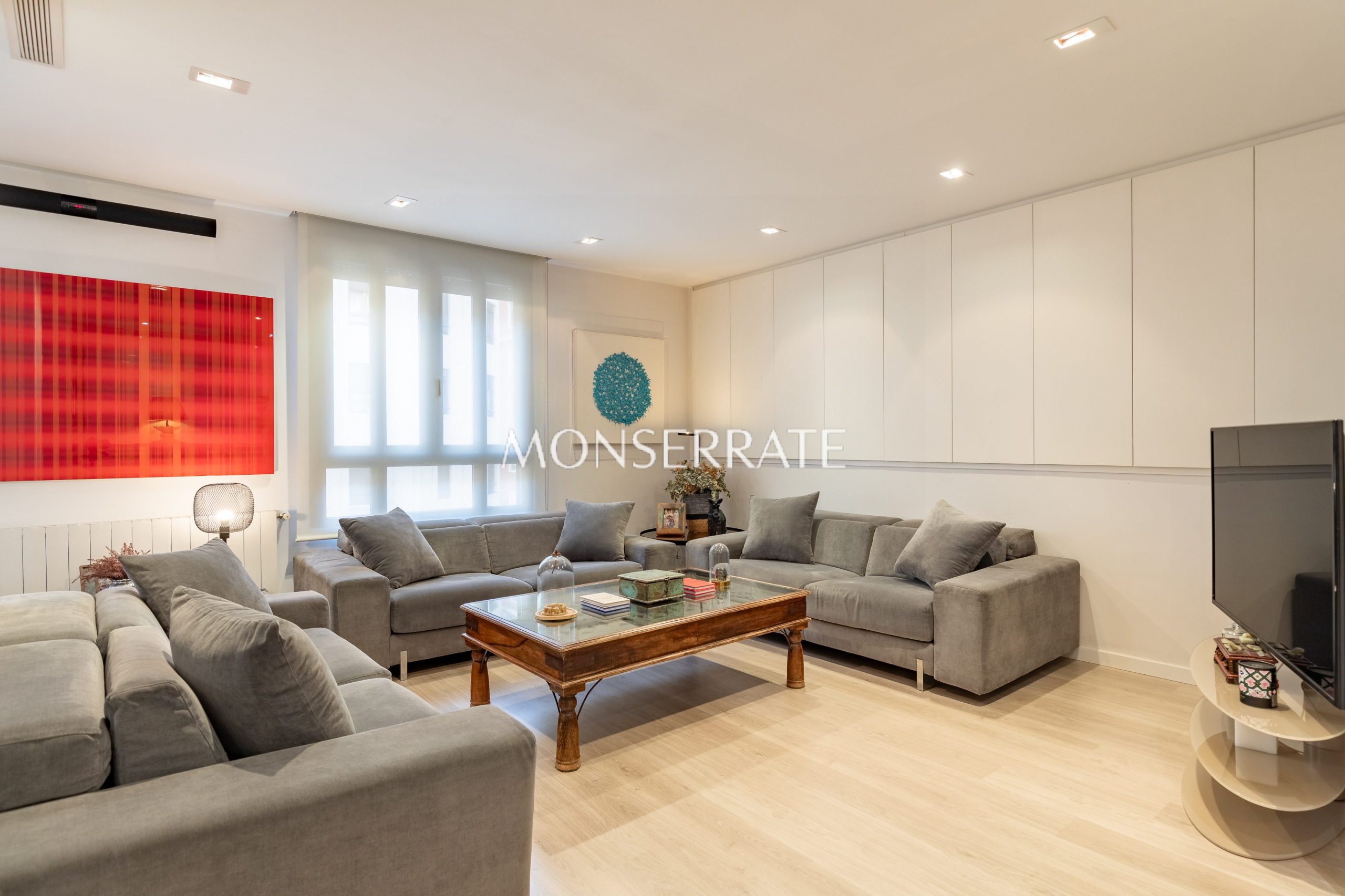
Elegant and spacious renovated apartment in Jaime Roig, next to the German School
Valencia
A5282
240 sqm House
4
3

Buy
1.380.000€
High-end newly renovated property in Gran Vía
Valencia
V5328
168 sqm House
4
4
Rent
3.000€
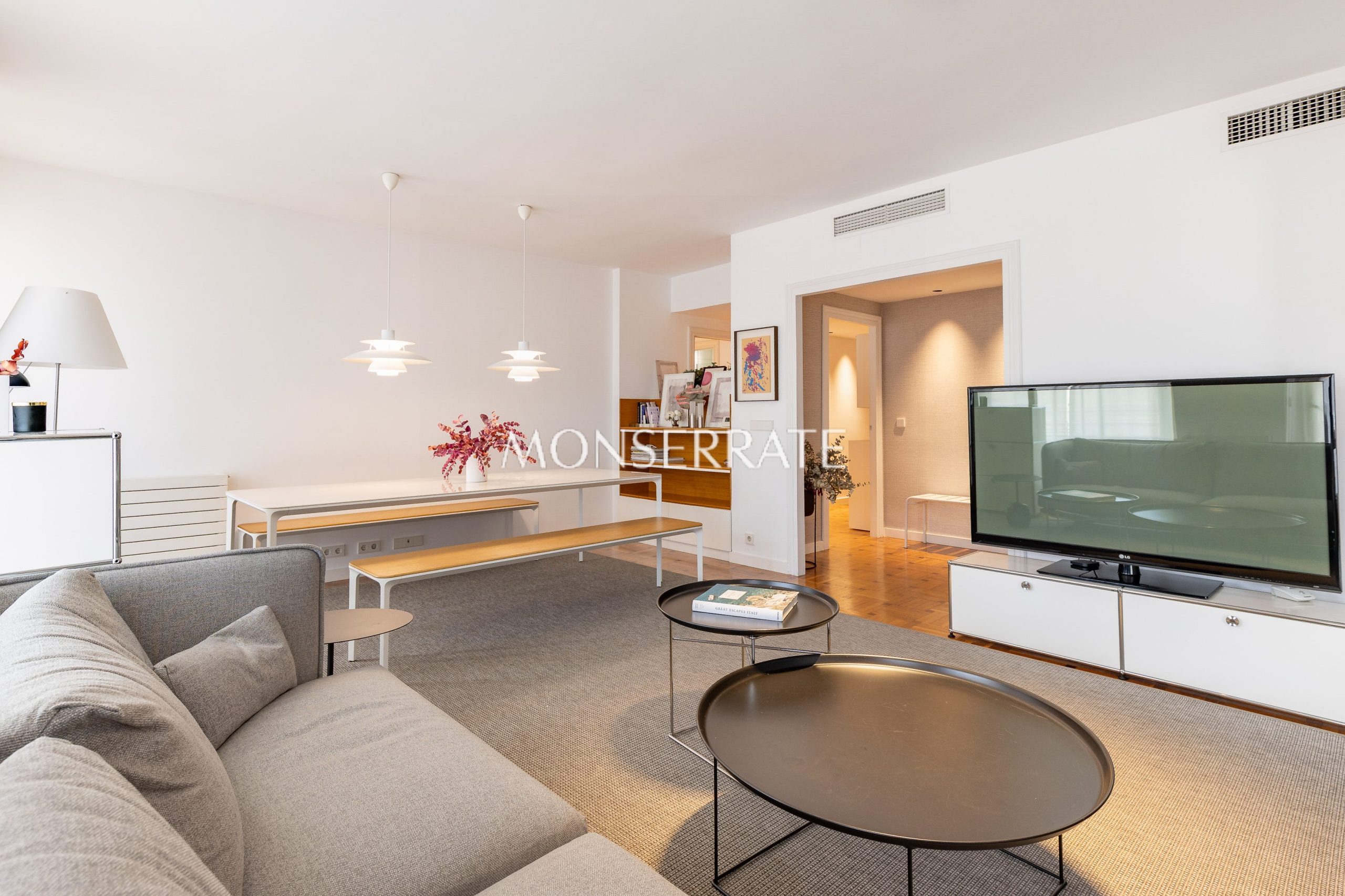
Fabulous furnished property for rent next to the central market
Valencia
A5346
182 sqm House
4
3

Rent, Buy
12.000€, 1.950.000€
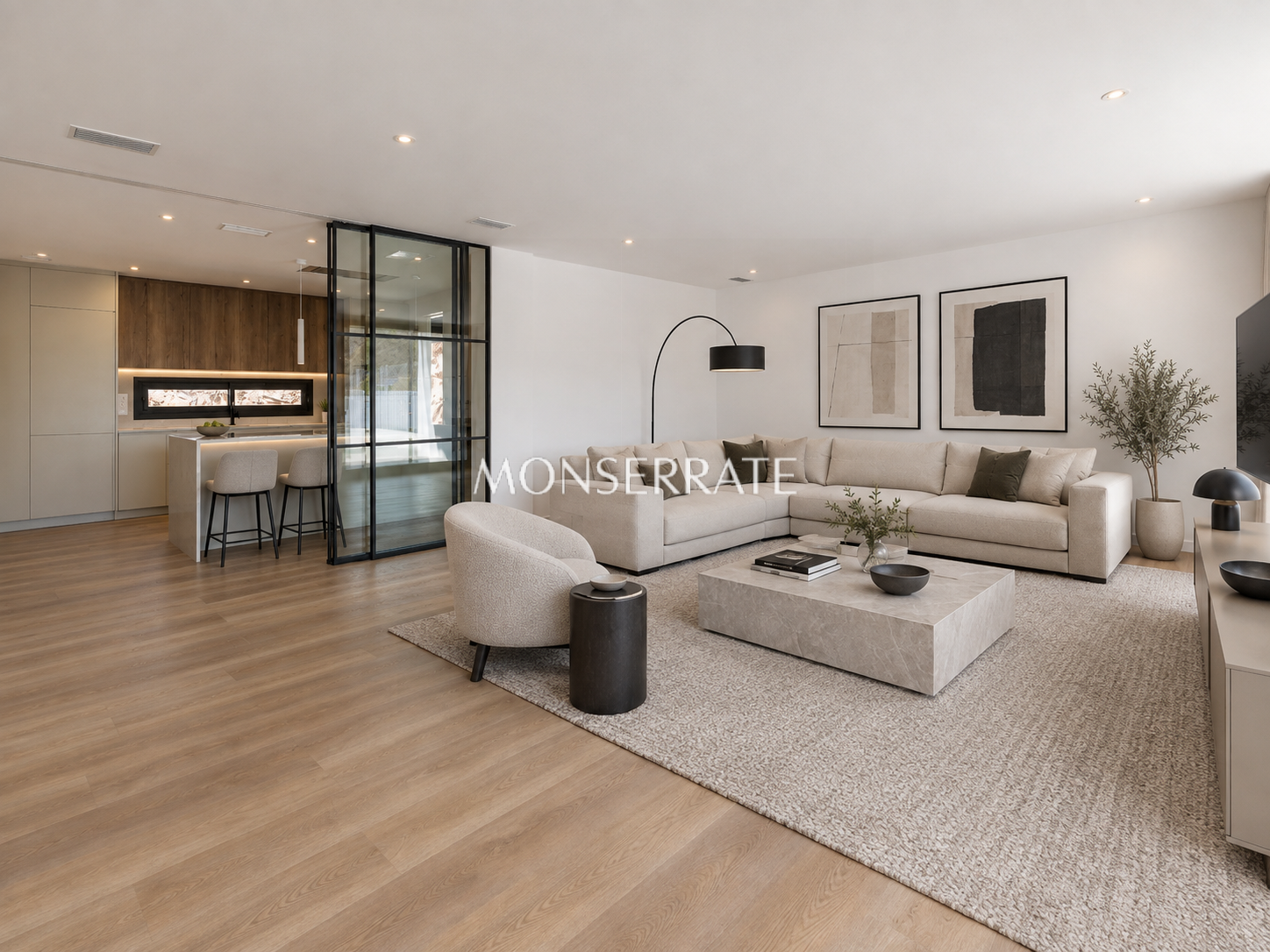
Exclusive contemporary chalet overlooking the golf course in Torre en Conill
Valencia
A744
510 sqm House
5
5
Buy
1.200.000€
Spacious Apartment with Terrace and Garage in Jaume Roig
Valencia
V5361
204 sqm House
4
3
Buy
895.000€
Great New Built Villa in Alfinach
Puzol / Puçol
V276
200 sqm House
4
3

Rent
2.750€
Exclusive Apartment at Monasterios Residences I
Sagunto / Sagunt
A137
145 sqm
2
2

Rent
3.600€
Exclusive Bungalow for Rent in Los Monasterios
Sagunto / Sagunt
A136
150 sqm House
3
4
Rent
2.400€
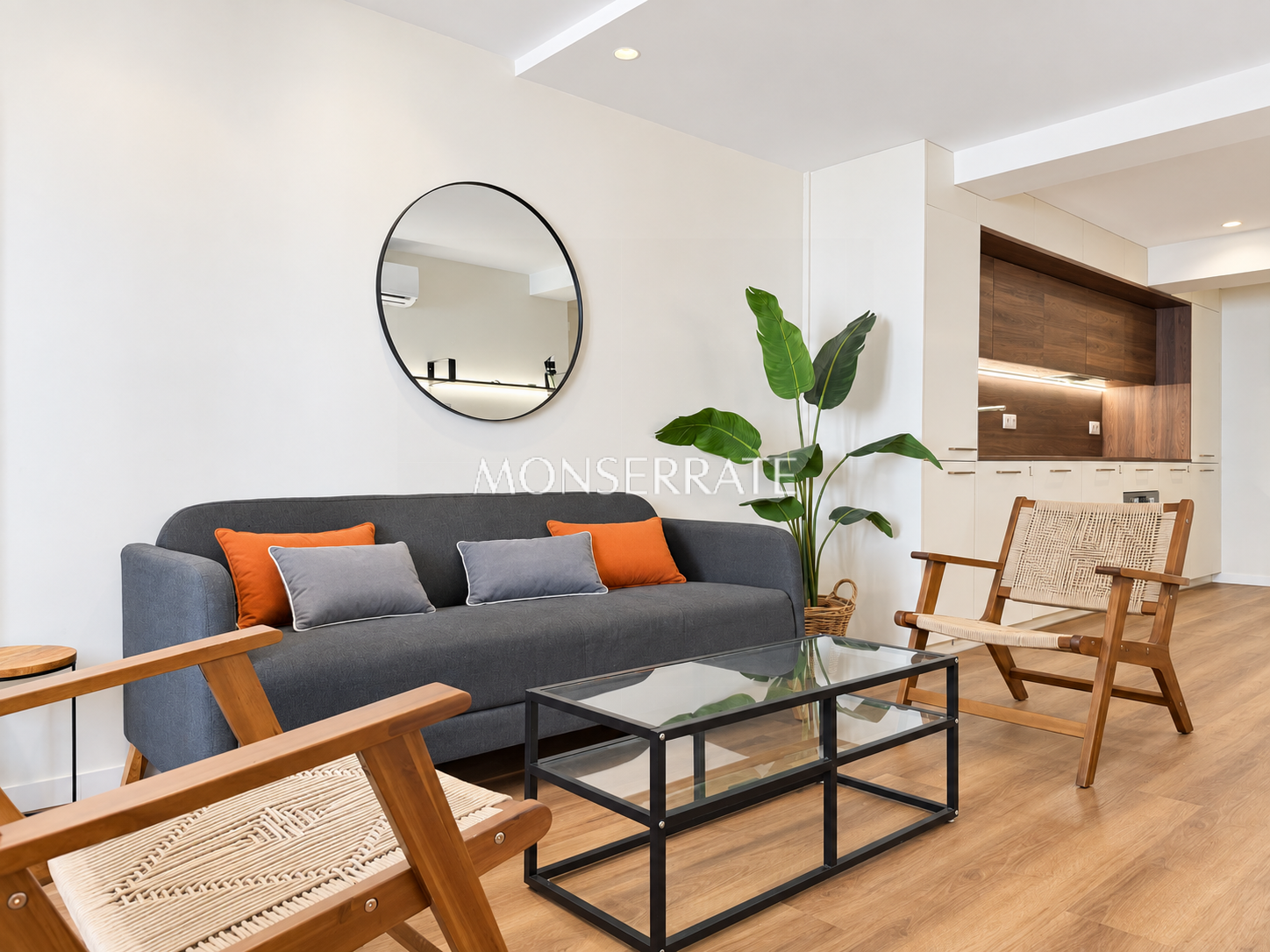
Designer Mid-Term Rental Apartments in La Xerea
Valencia
A5423
112 sqm House
3
2

Buy
799.000€
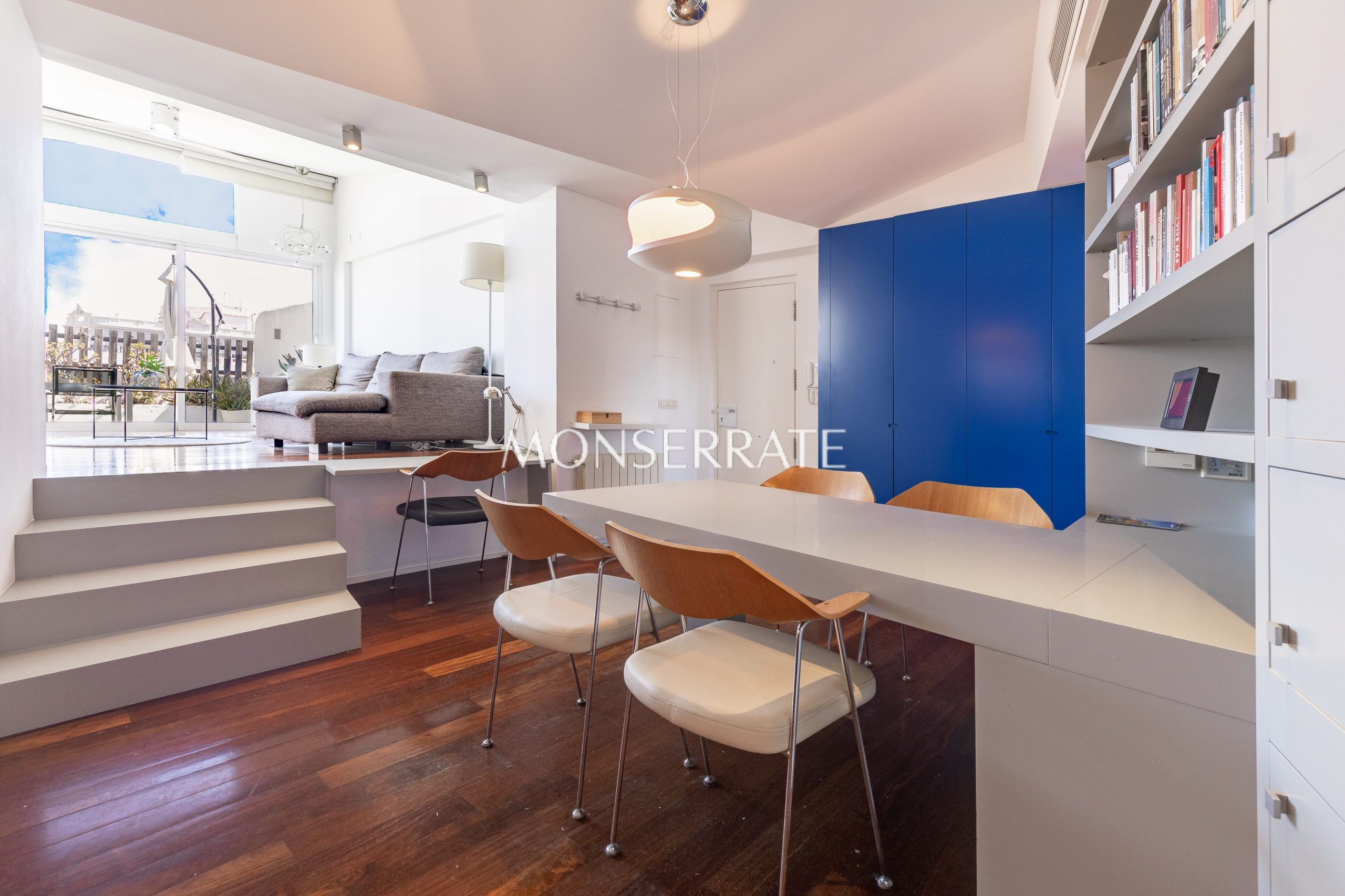
Exclusive Designer Detached Home with Private Elevator
Valencia
V5350
394 sqm House
3
2
Buy
568.000€
Designer Penthouse in Ruzafa
Valencia
V5359
62 sqm House
1
1

Rent
2.800€
Luxury Penthouse with Two Terraces & Jacuzzi
El Puig
A5407
192 sqm House
3
2

Buy
2.500.000€
Outstanding Luxurious Villa with Spa in Los Monasterios
Puzol / Puçol
V169
840 sqm House
8
7

Buy
1.970.000€
Luxury Villa with Spacious Garden and Swimming Pool in Campolivar
Godella
V798
530 sqm House
4
3

Buy
2.625.000€
Exclusive Luxury Villa Under Construction in Torre en Conill
Bétera
V908
422 sqm
6
5
Buy
799.000€
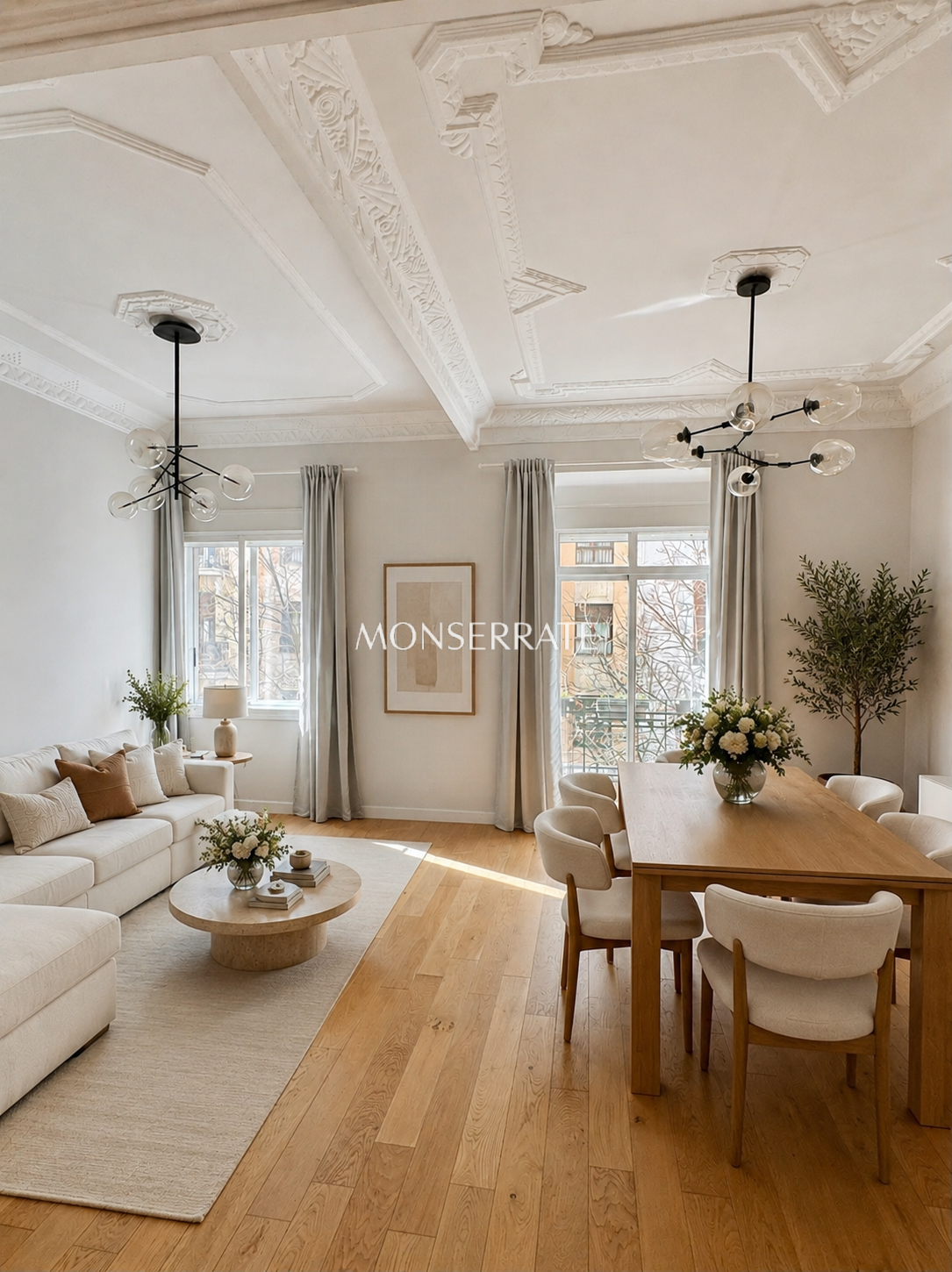
Renovated Apartment with balcony in Cánovas
Valencia
V5348
94 sqm House
2
2
Artículos Relacionados

Pla del Real, Valencia: the neighbourhood where people who choose well end up living
August 31, 2026
Leer más

How much is your luxury property in Valencia worth?
September 28, 2026
Leer más
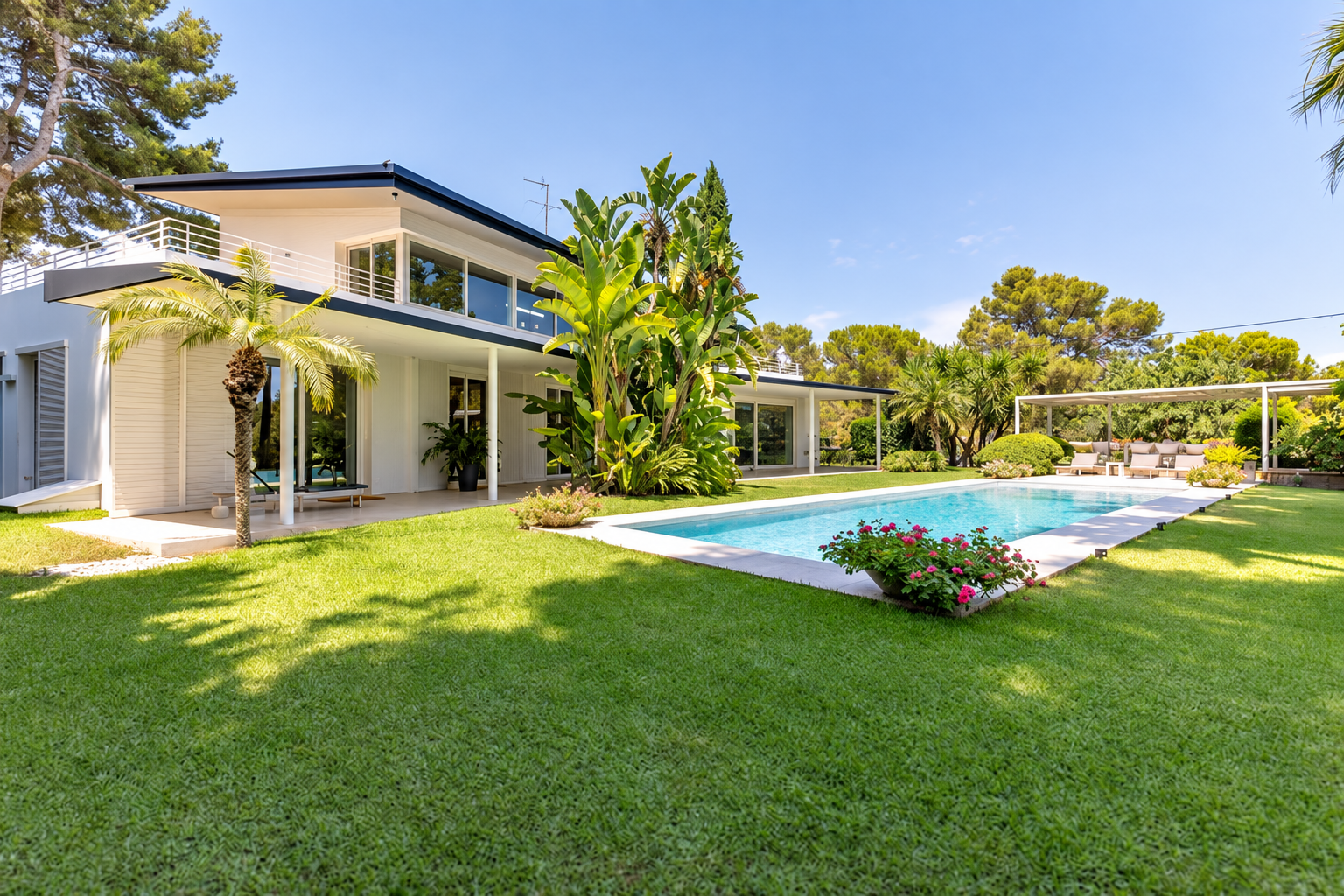
Living in Godella, Valencia: for families looking for tranquillity and luxury
September 28, 2026
Leer más

How to Buy a Luxury Property in Spain and Ensure a Profitable Investment
June 30, 2026
Leer más

Alfinach: Luxury that doesn’t need to announce itself
September 15, 2026
Leer más

Valencia for Luxury Digital Nomads: Why International Professionals Choose This City
August 28, 2026
Leer más

Buying a second home in Spain as a non-resident: steps, taxes and requirements
August 31, 2026
Leer más

What is the best orientation for a house? A guide for prospective buyers
July 1, 2026
Leer más
Living in Ruzafa: Art, gastronomy and a cosmopolitan vibe in Valencia’s coolest neighbourhood
September 15, 2026
Leer más

Where to live near the British School of Valencia: the best areas and luxury properties
August 31, 2026
Leer más

